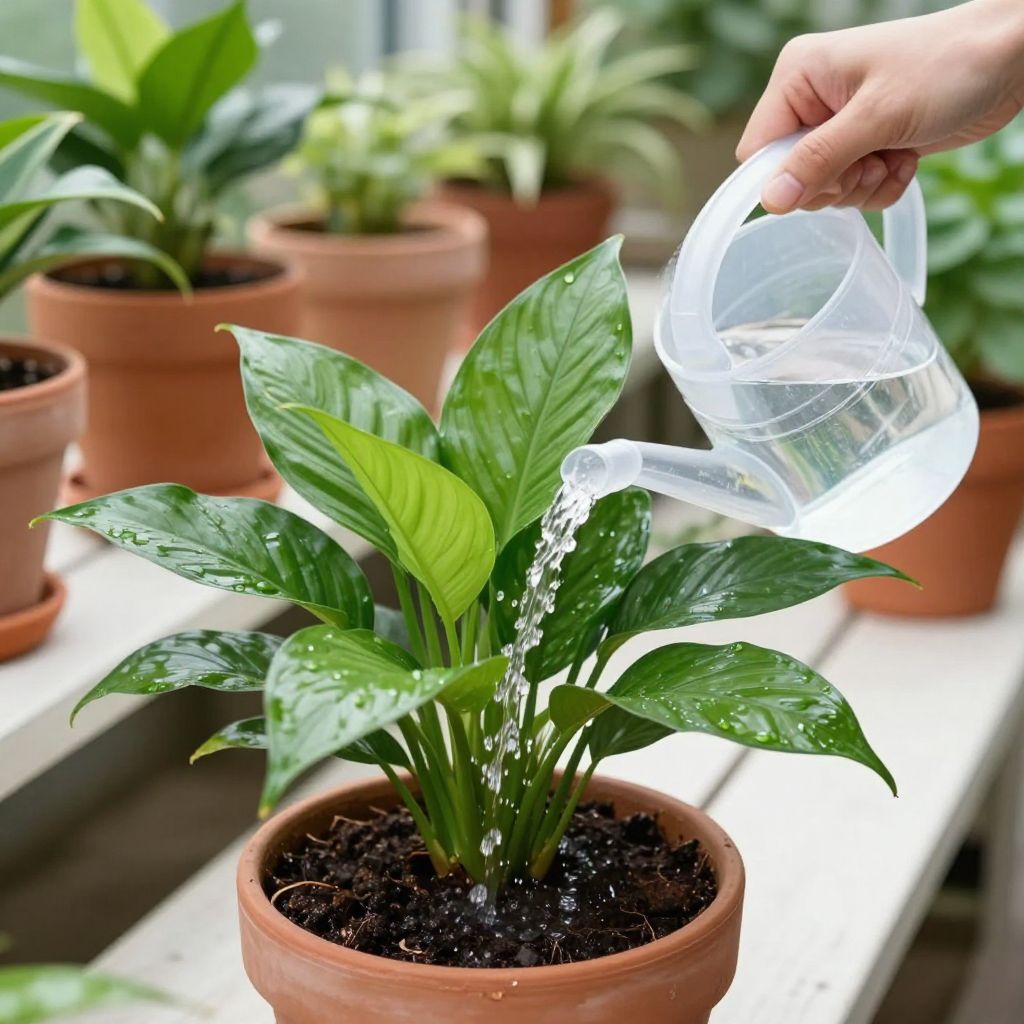
Can you water plants with distilled water? Yes, you can, and for many indoor plants it is perfectly safe. Distilled water is free of dissolved minerals, salts, and chlorine, so it can be a useful option when tap water is very hard or when sensitive plants show leaf tip burn or mineral buildup.
That said, distilled water is not always the best long-term choice for every plant. It has no nutrients of its own, so if you rely on it exclusively, your plants still need minerals from potting mix or fertilizer. The best approach depends on the plant, your water quality, and whether you grow indoors or outdoors.
Can you water plants with distilled water?
Yes. Distilled water is generally safe for most houseplants, seedlings, carnivorous plants, orchids, and other container-grown plants, especially if your tap water is hard or heavily treated. It does not harm roots by itself, but it also does not provide nutrients, so plants still need a proper growing medium and regular feeding when appropriate.
What distilled water does for plants
Distilled water is water that has been boiled and condensed, leaving behind most minerals, salts, and contaminants. For gardening, that means fewer dissolved solids entering the potting mix and less chance of white crust on soil surfaces or around pot rims.
When it helps most
- Hard water areas: If your tap water leaves mineral deposits, distilled water can reduce buildup in containers.
- Sensitive houseplants: Some plants react badly to fluoride, chlorine, or excess salts in tap water.
- Seed starting: Clean water can be useful for germinating seeds in sterile mixes.
- Specialty plants: Carnivorous plants and many orchids often prefer very low-mineral water.
What it does not do
- It does not fertilize plants.
- It does not improve poor drainage.
- It does not fix root rot or compacted soil.
- It does not replace good watering technique.
Which plants benefit most from distilled water?
Some plants tolerate ordinary tap water with no trouble, while others are more sensitive to dissolved minerals. Distilled water is often most useful for indoor plants in pots because container soil receives no natural rainfall to flush salts away.
Good candidates
- Carnivorous plants such as Venus flytrap, sundew, and pitcher plants
- Orchids, especially those grown in bark or other airy media
- Seedlings started indoors
- Ferns and other foliage plants that show leaf-tip browning from mineral-heavy water
- Plants in small containers where salts accumulate quickly
Plants that usually do fine with tap water
- Many succulents and cacti, if drainage is excellent
- Most landscape shrubs and perennials outdoors
- Vegetable beds with healthy soil and regular rainfall
For outdoor gardens, distilled water is usually impractical and unnecessary. Healthy soil, compost, mulch, and proper drainage matter far more than using purified water on a large scale.
Is distilled water bad for plants?
Distilled water is not bad for plants, but using it alone without fertilizer can eventually leave container plants underfed. The water itself is clean; the issue is that it contains no dissolved minerals. Plants need nutrients from the soil or from a balanced feeding program.
Why some gardeners worry
People sometimes hear that distilled water is “empty” and assume it will leach nutrients from plants. In normal home use, the bigger concern is not leaching from the plant itself, but gradual nutrient depletion in potting mix if you never fertilize or refresh the soil.
Watch for these signs of nutrient shortage
- Pale or yellowing new growth
- Slow growth during the active season
- Weak stems or small leaves
- Lower leaves dropping earlier than expected
If you see these symptoms, check light, root space, and fertilizer use before blaming the water alone.
How to water plants with distilled water the right way
Use distilled water the same way you would use good-quality tap water: water thoroughly, then let excess drain away. The goal is to moisten the root zone evenly, not to keep the pot constantly wet.
- Check the plant’s moisture needs by feeling the top inch or two of the potting mix.
- Water slowly until moisture reaches the full root ball.
- Allow excess water to drain completely from the container.
- Empty saucers so roots do not sit in standing water.
- Repeat only when the plant actually needs water, not on a fixed schedule alone.
Best practices for indoor plants
- Use pots with drainage holes.
- Choose a potting mix suited to the plant, such as a chunky orchid mix or a well-draining houseplant mix.
- Flush the soil occasionally if you use fertilizer, even with distilled water, to prevent buildup from feeding salts.
- Adjust watering frequency with season, light, and temperature.
Best practices for outdoor containers
- Use distilled water mainly for sensitive plants or propagation.
- Protect containers from heavy rain if the plant needs drier conditions.
- Mulch the surface lightly to reduce evaporation in warm weather.
Distilled water vs. tap water, rainwater, and filtered water
Different water sources have different strengths. The best choice is often the one that matches your plant’s needs and your local water quality.
- Distilled water: Very low in minerals and salts; excellent for sensitive plants and troubleshooting water quality issues.
- Tap water: Convenient and often fine for many plants, but can contain chlorine, fluoride, or hard-water minerals.
- Rainwater: Often a great natural option for many plants if collected cleanly and used safely.
- Filtered water: Can reduce some impurities, though the result depends on the filter type.
If your tap water is only mildly hard, you may not need distilled water at all. If your plants are thriving, there is usually no reason to change what already works.
Common problems when using distilled water
1. Nutrient deficiency
Because distilled water contains no minerals, container plants can become nutrient-starved if you never fertilize. This is most likely with fast-growing foliage plants, flowering houseplants, and heavy feeders.
Fix: Feed with a complete fertilizer appropriate for the plant and growing medium, following the product label. If you are unsure, use a lighter feeding approach rather than overdoing it.
2. Salt buildup from fertilizer
Even if you water with distilled water, fertilizer can still leave salts behind in the potting mix. Over time, this can cause leaf tip burn or crusty residue on the soil surface.
Fix: Water deeply enough that some drains out, and occasionally flush the pot with plain water to wash excess salts through the drainage holes.
3. Overwatering
Some gardeners assume “cleaner” water means they should water more often. That is a mistake. Root health depends on oxygen as much as moisture.
Fix: Water based on soil moisture, pot size, light, and plant type. Let the top layer dry when the plant prefers that, and never leave roots sitting in water.
4. Using distilled water where it is unnecessary
For many outdoor beds, distilled water is expensive and offers little benefit. Healthy soil structure and consistent watering matter more than purified water.
Fix: Reserve distilled water for sensitive container plants, propagation, or problem-solving.
Special care tips for different growing situations
Houseplants
Houseplants often benefit most from distilled water because they live in a limited root space and cannot rely on rain to flush the soil. If your indoor plant has brown leaf tips, check the water source, fertilizer rate, humidity, and drainage.
Seedlings and cuttings
Young plants are vulnerable to stress, but they still need oxygen and gentle handling. Use a fine spray or a watering can with a narrow spout so you do not dislodge seeds or compact the mix.
Orchids and epiphytes
Orchids in bark or moss often prefer lower-mineral water. Water thoroughly, then let the medium approach dryness before watering again, since soggy orchid roots decline quickly.
Carnivorous plants
These plants are especially sensitive to mineral buildup. Distilled water, rainwater, or similarly pure water is usually preferred, along with a nutrient-poor medium designed for them.
How to tell if distilled water is helping
Look for steady, healthy growth rather than dramatic overnight changes. Distilled water may help if your plant had mineral stress, but it will not correct poor light, root rot, or a pot that is too small.
- New leaves emerge cleaner and less burned at the tips.
- White crust on the pot rim or soil surface decreases.
- The plant responds better after you correct other care issues.
If the plant still declines, inspect roots, drainage, light levels, and fertilizer use. Water quality is only one part of overall plant care.
Practical conclusion: should you use distilled water?
Use distilled water if your plant is sensitive, your tap water is hard, or you are troubleshooting mineral buildup. For everyday gardening, it is a helpful tool, not a universal requirement. The best results come from matching the water source to the plant and then watering correctly.
If you want to improve plant health further, read more about houseplant watering basics and choosing the right potting mix and drainage to support strong roots and steady growth.