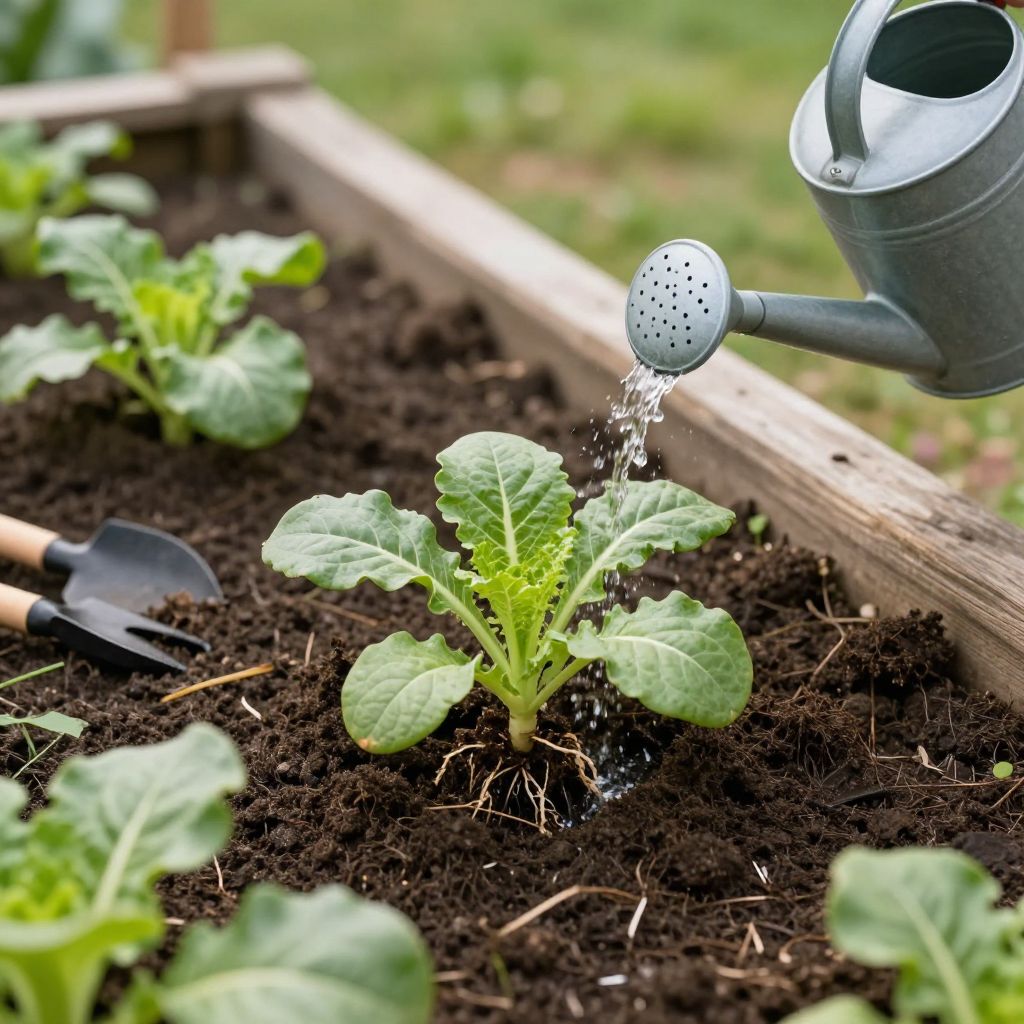
Wondering what plants need to grow well in your garden, pots, or indoor space? The short answer is that every plant needs the right balance of light, water, air, nutrients, and root space, plus a growing medium that drains well enough for its roots to breathe.
When one of those basics is off, plants often grow slowly, wilt, yellow, or become more prone to pests and disease. The good news is that most growing problems are easy to fix once you know what to look for.
What plants need to grow?
Plants need light, water, air, nutrients, suitable temperature, and healthy soil or potting mix to grow. They also need enough room for roots, good drainage, and regular care matched to the plant type. If any one need is missing, growth usually slows or becomes weak and uneven.
The six essentials every plant depends on
1. Light
Light fuels photosynthesis, the process plants use to make energy. Some plants need full sun, while others prefer bright shade or filtered indoor light.
- Full sun: generally 6 or more hours of direct sun each day.
- Partial sun or partial shade: about 3 to 6 hours of direct sun, often with afternoon shade.
- Low light: bright indirect light indoors or dappled shade outdoors.
If a plant stretches toward windows, grows spindly, or produces fewer leaves and flowers, it may need more light. If leaves scorch, bleach, or curl in harsh sun, it may need protection.
2. Water
Water carries nutrients through the plant and keeps cells firm. But too much water can be just as harmful as too little because roots need oxygen as well as moisture.
A better rule than “water every X days” is to check the soil. Water when the top inch or two feels dry for many common garden plants, or when the pot feels noticeably lighter for container plants.
- Water deeply so moisture reaches the root zone.
- Let excess water drain away.
- Adjust for heat, wind, rainfall, pot size, and plant maturity.
Wilting does not always mean the soil is dry. Overwatered roots can also cause drooping because they cannot take up oxygen properly.
3. Air and space for roots
Plants need air around both leaves and roots. Crowded roots, compacted soil, and poor drainage reduce oxygen and slow growth.
In the garden, loosen compacted soil before planting. In containers, use pots with drainage holes and avoid letting them sit in standing water. If roots circle tightly around the inside of a pot, the plant may need repotting into a larger container.
4. Nutrients
Plants use nutrients such as nitrogen, phosphorus, and potassium, along with smaller amounts of other minerals, to build leaves, roots, flowers, and fruit. Healthy soil or a quality potting mix usually provides a good start, but nutrients can be depleted over time.
Compost is one of the easiest ways to improve soil fertility. It also helps soil hold moisture while still draining well.
- Add compost to garden beds before planting.
- Top-dress established beds with a thin layer of compost.
- Use a balanced fertilizer only when the plant actually needs it and according to the label.
Yellowing leaves can sometimes signal a nutrient issue, but they can also point to overwatering, poor drainage, or root stress. Always check the growing conditions before adding fertilizer.
5. Proper temperature
Every plant has a temperature range where it grows best. Some plants thrive in cool weather, while others need warmth to germinate and grow.
Cold snaps, heat waves, and sudden temperature swings can slow growth or damage tender plants. If you garden outdoors, choose plants suited to your local climate and season. If you grow indoors, keep plants away from drafts, heating vents, and hot windows.
6. Healthy soil or potting mix
Soil is more than something roots sit in. It anchors the plant, holds moisture, supplies nutrients, and supports beneficial organisms.
For garden beds, aim for soil that is loose, crumbly, and drains well. For containers, use a potting mix made for pots, not heavy garden soil, which can compact and suffocate roots.
- Garden soil: best for in-ground planting when improved with compost and organic matter.
- Potting mix: best for containers because it is lighter and drains better.
- Mulch: helps conserve moisture and reduce weeds outdoors.
How to give plants the right growing conditions
Choose the right plant for the site
The easiest way to help a plant grow is to match it to your conditions. A sun-loving plant placed in shade will struggle, and a moisture-loving plant planted in dry soil will need constant rescue.
Before you buy, check the plant label or description for light needs, mature size, and whether it prefers containers, beds, shade, or full sun.
Prepare the planting area
Good preparation often matters more than frequent feeding later. Work in compost, remove weeds, and break up compacted soil before planting.
- Clear the area of weeds, rocks, and debris.
- Loosen the soil to improve root penetration.
- Mix in compost if the soil is poor or heavy.
- Make sure water can drain rather than pool.
- Plant at the correct depth for the species.
Planting too deep is a common mistake. The crown or stem base should usually sit at the same level it was growing before, unless the plant type specifically needs otherwise.
Water correctly after planting
Newly planted roots need consistent moisture while they establish. That does not mean soggy soil. It means keeping the root zone evenly moist enough to support new root growth.
Water slowly and deeply so moisture reaches below the surface. Shallow sprinkling encourages shallow roots, which are more vulnerable to heat and drying.
Mulch to protect moisture and roots
Mulch helps stabilize soil temperature, reduce evaporation, and suppress weeds. Organic mulches such as shredded bark, leaf mold, or composted material are often useful in beds and around shrubs.
Keep mulch a little away from stems and trunks so moisture does not sit against the plant base.
Indoor vs. outdoor plant needs
Indoor plants
Indoor plants usually struggle most with light, watering, and humidity. Windows, room temperature, and pot drainage become especially important.
- Place plants near the brightest suitable window for their type.
- Rotate pots occasionally so growth stays even.
- Empty saucers after watering.
- Use a pot with drainage holes.
If indoor air is very dry, some plants may benefit from grouping together or using a humidity tray, but avoid misting as a cure-all. It does not replace proper watering or light.
Outdoor plants
Outdoor plants depend more on weather, soil, and seasonal timing. Sun exposure changes through the year, and rainfall may reduce or increase your watering needs.
Wind can dry soil quickly, while heavy rain can waterlog roots. In both cases, drainage matters. Raised beds and well-structured soil often make outdoor growing easier.
How to tell what your plant is missing
Common symptoms and likely causes
- Yellow leaves: overwatering, poor drainage, low nutrients, or root stress.
- Leggy growth: not enough light.
- Wilting in wet soil: root damage or poor drainage.
- Brown leaf edges: inconsistent watering, dry air, salt buildup, or sun scorch.
- Slow growth: low light, cold soil, compacted roots, or low fertility.
- Few flowers or fruit: not enough sun, too much nitrogen, or improper pruning.
When troubleshooting, change one thing at a time if possible. That makes it easier to see what actually helped.
Practical care habits that keep plants growing
Check soil before watering
Use your finger, a small trowel, or a moisture meter to check the root zone. Surface dryness alone can be misleading, especially in containers.
Feed lightly and only when needed
Healthy soil often reduces the need for frequent fertilizer. Overfeeding can cause soft, weak growth that attracts pests and burns roots.
Prune and deadhead when appropriate
Removing dead, damaged, or crowded growth can improve airflow and direct energy into healthy growth. For flowering plants, deadheading may encourage more blooms, depending on the species.
Watch for pests and disease early
Stressed plants are more likely to attract aphids, spider mites, whiteflies, fungal leaf spots, and root rot. Inspect leaves, stems, and soil regularly so you can act before the problem spreads.
- Remove badly damaged leaves.
- Improve spacing and airflow.
- Avoid wetting foliage late in the day when disease is a concern.
- Keep tools clean when pruning or dividing plants.
Propagation and plant growth stages
Young plants, seedlings, cuttings, and mature plants do not all need care in exactly the same way. Seedlings often need gentler watering and more stable light, while established plants may need deeper but less frequent watering.
If you are starting from seed or cuttings, the first priority is steady moisture, warmth, and light appropriate to the plant. Once roots develop, transition to normal care gradually rather than suddenly changing conditions.
Common mistakes to avoid
- Planting in the wrong light level.
- Using heavy garden soil in containers.
- Overwatering “just in case.”
- Letting pots sit in standing water.
- Fertilizing a stressed plant without checking the cause.
- Ignoring root space and crowding.
- Assuming all plants need the same care schedule.
A simple way to remember what plants need to grow
Think of plant growth as a balance: light above, healthy roots below, and consistent care in between. When those basics are right, most plants become easier to manage and more resilient over time.
Start by checking one plant today for light, soil moisture, and drainage. If you correct just one weak point, you may see improvement faster than you expect.
For more practical growing ideas, you may also like reading about growing strawberries indoors if you want to apply these basics to a fruiting plant in containers.