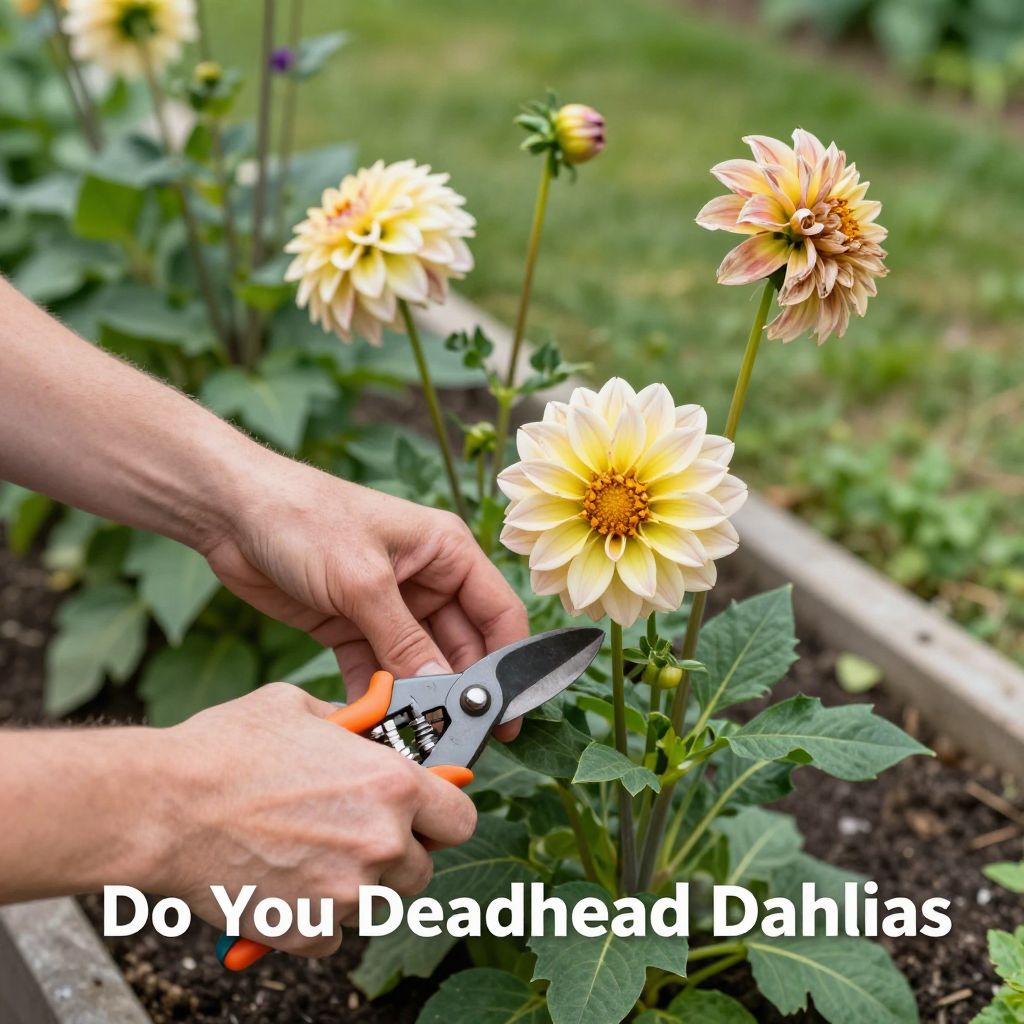
Do you deadhead dahlias? Yes—regular deadheading is one of the easiest ways to keep dahlias blooming for longer and looking tidy. Removing spent flowers encourages the plant to put energy into new buds instead of seed production, especially during the peak flowering season.
With a few simple cuts, you can improve the display, reduce mess, and help your dahlias stay vigorous. The key is knowing exactly where to cut, how often to check the plant, and when deadheading is no longer worth doing.
Do you deadhead dahlias?
Yes. Deadheading dahlias means removing faded blooms before they form seeds. This usually encourages more flowers, keeps plants neater, and can extend the blooming period well into late summer or autumn. Check plants every few days in warm weather and cut spent flowers back to the next healthy leaf or side shoot.
Why deadheading dahlias helps
Dahlias are prolific bloomers, but each flower naturally fades after a short time. If the old bloom is left in place, the plant may divert some energy into making seeds rather than producing new buds.
Deadheading does not “force” a plant to bloom if it is already stressed, but it does help a healthy dahlia keep flowering as long as conditions remain favorable.
Benefits of deadheading
- Encourages more flowers by redirecting the plant’s energy.
- Keeps the plant looking tidy and well maintained.
- Reduces the chance of rotting petals sticking to leaves in wet weather.
- Makes it easier to spot pests, disease, or weak stems.
How to deadhead dahlias correctly
Deadheading dahlias is simple, but the cut matters. You want to remove the spent flower cleanly without damaging the next bud or weakening the stem.
- Wait until the bloom is fully faded, papery, or drooping.
- Follow the flower stem downward until you find the first strong set of leaves or a side shoot.
- Cut just above that leaf node or side shoot with clean snips.
- If the stem is soft, pinch it off carefully with your fingers; if it is thicker, use pruners or scissors.
- Remove any damaged petals or debris that may collect in the plant.
Use clean, sharp tools. A quick, neat cut heals better than tearing the stem, especially in humid conditions where disease can spread more easily.
Where to make the cut
For most dahlias, cut back to the nearest healthy leaf node below the faded bloom. If you can see a small side bud lower on the stem, cut just above it so the plant can continue growing from that point.
If the flower stem is very long and bare, you may need to cut farther down to a stronger section of growth. Avoid leaving a long stub above the node, as it can dry out and look untidy.
How often should you deadhead dahlias?
During peak flowering, dahlias may need checking every 2 to 4 days. In hot weather or after rain, spent blooms can appear quickly. If you grow many plants, a weekly pass is still helpful, but more frequent checks usually keep the display at its best.
You do not need to deadhead every day unless the weather is warm and the flowers are opening rapidly. The practical rule is simple: remove blooms as soon as they fade.
Signs a dahlia bloom is ready to remove
- Petals are brown, limp, or curled.
- The flower head has lost its shape and color.
- Petals fall off easily when touched.
- The bloom is starting to look dry or mushy after rain.
What not to do when deadheading dahlias
Deadheading is easy to overdo if you are not sure where the next growth point is. A few common mistakes can reduce flowering or leave the plant vulnerable to damage.
- Don’t just snap off the flower head and leave a long stem above the leaves.
- Don’t cut into soft, unopened buds by mistake.
- Don’t deadhead with dirty tools if disease is present.
- Don’t remove healthy foliage unless it is damaged or diseased.
Dahlia leaves are important for feeding the plant. The more healthy leaf area you keep, the better the plant can support new buds and strong stems.
Deadheading versus cutting dahlias for bouquets
If you harvest dahlias for indoor arrangements, that is similar to deadheading, but the goal is different. Cutting flowers for the vase can also encourage branching and more blooms, provided you cut the stem above a node and leave enough foliage behind.
For the best balance between display and cutting flowers, avoid stripping too many stems from one plant at once. A well-foliaged dahlia is usually more productive than one cut back too hard.
Harvesting tips for cut flowers
- Cut early in the day when stems are firm and hydrated.
- Use clean pruners or snips.
- Place stems immediately in water.
- Remove spent blooms from the plant at the same time if needed.
Do all dahlias need deadheading?
Most garden dahlias benefit from deadheading, especially bedding types, decorative dahlias, cactus dahlias, and dinnerplate varieties grown for long seasonal display. If you want the longest possible bloom period, deadheading is worthwhile on nearly all flowering dahlias.
However, if you are growing dahlias for seed collection or for wildlife interest later in the season, you may choose to leave some flowers in place. That is a personal gardening decision rather than a strict rule.
Seasonal care that supports better blooming
Deadheading works best when the plant is already growing in good conditions. If dahlias are stressed by poor soil, drought, shade, or crowding, they may bloom less even if you remove spent flowers regularly.
Sunlight
Dahlias generally flower best in full sun, though in very hot climates they may appreciate some afternoon shade. Too little light often leads to fewer blooms and weaker stems, which makes deadheading less effective overall.
Soil and drainage
They prefer fertile, well-drained soil. Heavy, waterlogged soil can cause tubers and roots to struggle, while very poor soil may produce weak growth. Before planting, improve the bed with compost if needed, but avoid making the soil soggy or overly rich with fresh manure.
Watering
Water deeply when the soil begins to dry, especially during flowering and dry spells. Inconsistent watering can cause bud drop, poor flowering, or stressed stems. The exact frequency depends on your weather, soil type, and whether the plants are in the ground or containers.
Feeding
A balanced, light feeding approach usually works better than heavy fertilizer use. Too much nitrogen can produce lush leaves at the expense of flowers, making deadheading less rewarding because the plant keeps making foliage instead of blooms.
Pests and diseases to watch for while deadheading
Deadheading gives you a good chance to inspect the plant closely. Look for aphids, thrips, slugs, earwigs, powdery mildew, and botrytis, especially in damp or crowded plantings.
If you notice disease, remove badly affected flowers and leaves promptly and dispose of them rather than leaving them on the ground. Good spacing, airflow, and careful watering at the base of the plant can help reduce problems.
Common troubleshooting
- Few new blooms after deadheading: check for shade, drought, overfeeding, or overcrowding.
- Rotting flower heads: remove them quickly and improve airflow.
- Broken stems while cutting: use sharper tools and support tall plants with stakes or cages.
- Plant looks tired in late season: this is normal as temperatures cool and daylight shortens.
Should you deadhead dahlias at the end of the season?
Late in the season, deadheading can still be useful if the plant is actively blooming and frost is not imminent. Once growth slows and nights turn cold, the plant will naturally wind down, and deadheading becomes less important.
If frost is near, you may prefer to leave the last flowers for pollinators or for garden interest. After frost, you can cut the plant back and lift or protect tubers according to your climate and overwintering plan.
Simple tools that make deadheading easier
You do not need much equipment, but the right tools make the job cleaner and faster.
- Sharp hand pruners or snips
- Clean gloves if stems are rough or the plant is large
- A small bucket or trug for spent blooms
- Rubbing alcohol or disinfectant for cleaning tools between plants if disease is present
Conclusion
So, do you deadhead dahlias? Absolutely, if you want a longer, tidier, and often more productive display. Remove faded blooms regularly, cut back to a healthy leaf node, and keep the plant well watered, well lit, and growing in free-draining soil. That simple routine can make a noticeable difference all season.
If you want to keep improving your dahlia care, it also helps to read more about growing dahlias and common plant disease problems that can affect flowering plants in the garden.