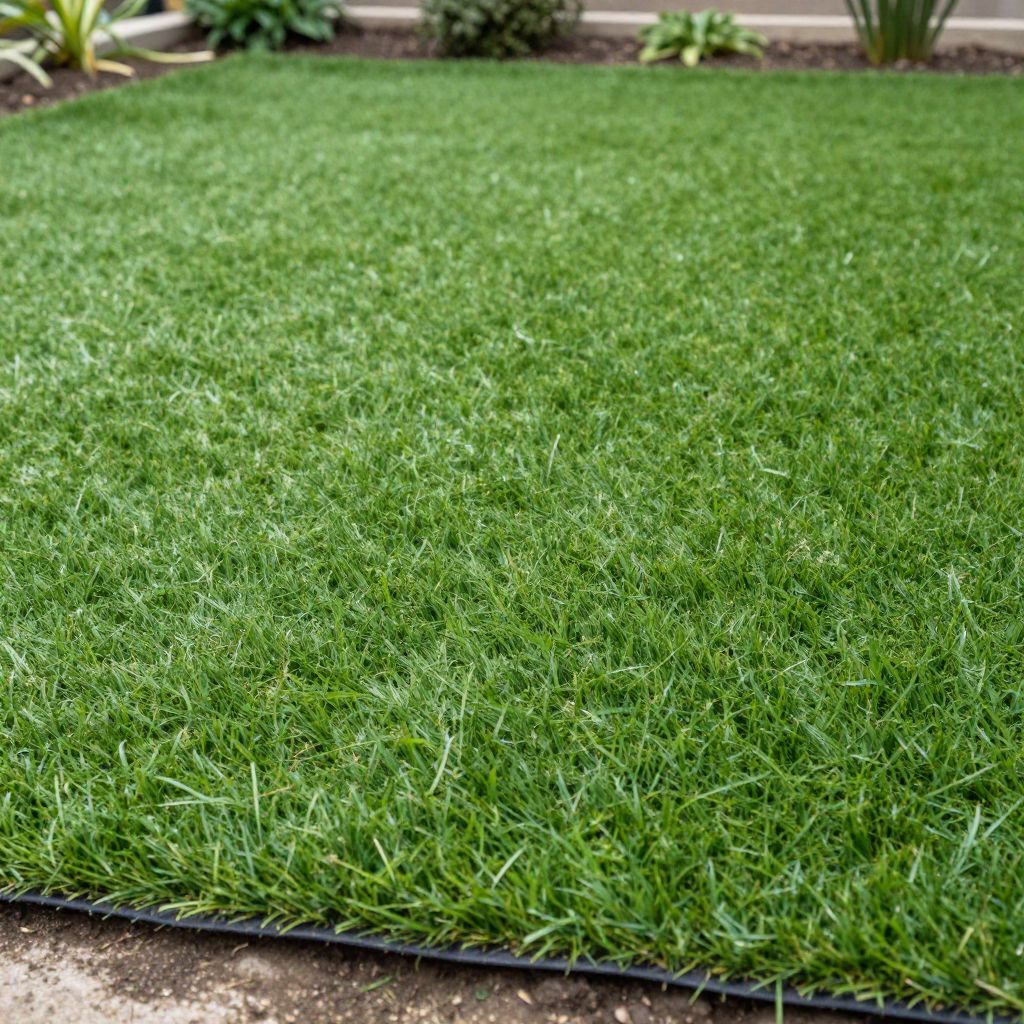
If you’ve been asking, “What is fake grass called?” you’re probably trying to identify the material or decide whether it’s right for your yard. In gardening and landscaping, fake grass is most commonly called artificial turf, synthetic grass, or artificial lawn.
It’s not a living plant, but it is used in gardens, patios, play areas, and low-maintenance landscapes. Knowing the right term helps when you shop, compare products, or plan a replacement for natural turf.
What Is Fake Grass Called?
Fake grass is usually called artificial turf or synthetic grass. In landscaping, you may also hear artificial lawn, fake turf, or synthetic sod. These terms all refer to manufactured grass-like surfaces made from plastic fibers backed by a drainage layer.
Understanding the Different Names for Fake Grass
Different sellers and installers use different labels, but they often mean the same product. The name can hint at the intended use, the quality, or the installation style.
Common terms you’ll see
- Artificial turf — the most common landscaping term, often used for yards, sports areas, and pet runs.
- Synthetic grass — a broad term for grass-like surfaces made from man-made fibers.
- Artificial lawn — usually refers to a finished lawn-style installation.
- Fake grass — a casual, everyday term.
- Synthetic sod — sometimes used when the product comes in rolls or panels.
What it is made from
Most fake grass is made from plastic fibers such as polyethylene, polypropylene, or nylon. The fibers are attached to a backing material that may include drainage holes or a permeable base. Some products also include infill, which helps the blades stand upright and affects feel underfoot.
Important: artificial turf is not a plant, so it does not grow, root, or recover from damage the way real grass does. Maintenance is about cleaning, brushing, and protecting the surface, not mowing or fertilizing.
How to Tell Artificial Turf From Real Grass in a Garden
If you’re looking at a lawn and wondering whether it’s natural or fake, a few quick checks usually reveal the answer. Artificial turf has a uniform look, while living grass varies in color, texture, and growth pattern.
Signs you’re looking at fake grass
- The blades look very even in height and color.
- The surface stays the same through hot, dry, or cold weather.
- You may see a seam where two sections join.
- The base feels firm, not rooted into soil.
- There is no bare patching from wear in the same way as living turf.
Signs of real grass
- It changes with season, watering, and sunlight.
- It can thin out, yellow, or grow unevenly.
- It has roots in soil and may be mixed with weeds.
- It responds to mowing, feeding, and irrigation.
When Fake Grass Makes Sense in a Garden
Artificial turf can be useful in some landscapes, but it is not the best choice for every garden. It works best where you want a neat, durable surface and are willing to manage heat, drainage, and cleaning.
Good uses for artificial turf
- Small urban yards with limited growing space
- Shaded areas where grass struggles to establish
- Play spaces that need a soft, even surface
- Pet areas that are easy to rinse and clean
- Courtyards, roof gardens, and decorative borders
When to think twice
- If you want pollinator-friendly planting space
- If your site already drains poorly and needs soil improvement
- If your climate is very hot and the surface will be exposed to strong sun
- If you prefer a living landscape that changes through the seasons
Before choosing artificial turf, consider whether a mixed design might work better. A garden can combine paving, mulch, beds, and small lawn areas so you reduce maintenance without replacing all living ground cover.
How Artificial Turf Is Installed in Landscaping
Good installation matters more than many beginners realize. Even the best product can look poor if the base is uneven or drainage is ignored.
Basic installation steps
- Remove existing vegetation and clear stones, roots, and debris.
- Level the area so water can move away from structures.
- Install a base layer such as compacted aggregate, depending on the site and product system.
- Add a weed barrier if recommended for your installation.
- Lay the turf and align the grain direction for a consistent look.
- Trim edges carefully so the fit is neat around paths, beds, and borders.
- Secure the edges with nails, staples, or edging systems designed for turf.
- Add infill if needed and brush the fibers upright.
Drainage is critical. If water has nowhere to go, the surface can puddle, smell, or become slippery. In rainy climates, a permeable base and proper slope matter just as much as the turf itself.
How to Maintain Fake Grass
Artificial turf is low-maintenance, not no-maintenance. A little regular care keeps it looking tidy and helps it last longer.
Routine care tasks
- Remove leaves, twigs, and debris with a leaf blower, broom, or plastic rake.
- Rinse dusty areas as needed, especially in dry weather.
- Brush flattened fibers to keep the surface looking upright.
- Pick up pet waste promptly and clean the area according to the manufacturer’s guidance.
- Check edges, seams, and drainage after storms or heavy use.
What to avoid
- Do not use sharp metal rakes that can snag fibers.
- Avoid harsh solvents or cleaners unless the product instructions allow them.
- Do not place very hot objects on the surface.
- Be careful with fire pits, grills, and reflective surfaces that can overheat the turf.
In hot climates, artificial grass can become much warmer than soil or living turf. If your garden gets intense sun, plan for shade, lighter-colored materials nearby, or a different surface for the hottest part of the day.
Common Problems With Artificial Turf and How to Fix Them
Like any landscape material, fake grass can develop issues over time. Most problems are easier to prevent than to repair later.
1. Flattened or matted fibers
This often happens in high-traffic areas or where furniture sits. Brush the fibers upright and rotate furniture or stepping points when possible.
2. Poor drainage
If water pools after rain or washing, the base may be too compacted, uneven, or blocked. Check for low spots, clogged drainage holes, or surrounding soil that directs water toward the area.
3. Odors in pet areas
Pet urine can build up if the surface is not rinsed regularly. Use a turf-safe cleaning approach and make sure the base drains properly.
4. Seams or edges lifting
Edges can loosen with age, heat, or heavy use. Re-secure them promptly to prevent tripping and further damage.
5. Weeds around the perimeter
Weeds often appear at edges, not through the turf itself. Keep borders tidy, maintain edging, and remove seedlings before they establish.
Should You Use Artificial Turf Instead of a Living Lawn?
The right choice depends on your goals. If you want a green look with less mowing, artificial turf can be practical. If you want a living garden that supports soil health, insects, and seasonal growth, real grass or other ground covers may be better.
Ask yourself these questions
- How much sun does the area get?
- Does the site drain well after rain?
- Do you want a surface for play, pets, or display?
- Are you willing to maintain a living lawn, or do you need a lower-care option?
- Would mixed planting, mulch, or paving suit the space better?
In many gardens, the best answer is not all-or-nothing. A small turf area can work well alongside planting beds, shrubs, and permeable paths that still give your garden life and texture.
Buying Tips: Choosing the Right Type of Fake Grass
If you are shopping for artificial turf, look beyond color alone. The best product for your space depends on use, drainage, and appearance from a normal viewing distance.
What to check before you buy
- Pile height — shorter piles often suit heavy use; taller piles can look softer and more natural.
- Backing and drainage — important for wet climates and pet areas.
- UV resistance — helps reduce fading in sunny locations.
- Intended use — decorative, residential, pet-friendly, or sports-grade.
- Feel and appearance — some products look more natural than others.
Ask to see samples outdoors in daylight if possible. Artificial turf can look very different under indoor lighting than it does in a real garden.
Conclusion: The Simple Answer and Your Next Step
So, what is fake grass called? Most often, it’s called artificial turf or synthetic grass. If you’re planning a garden project, use those terms when comparing products, and pay close attention to drainage, heat, and maintenance needs before you buy.
If you’re still deciding whether turf is right for your space, compare it with other low-maintenance ground cover options and think about how much sun, water, and foot traffic your garden really gets.