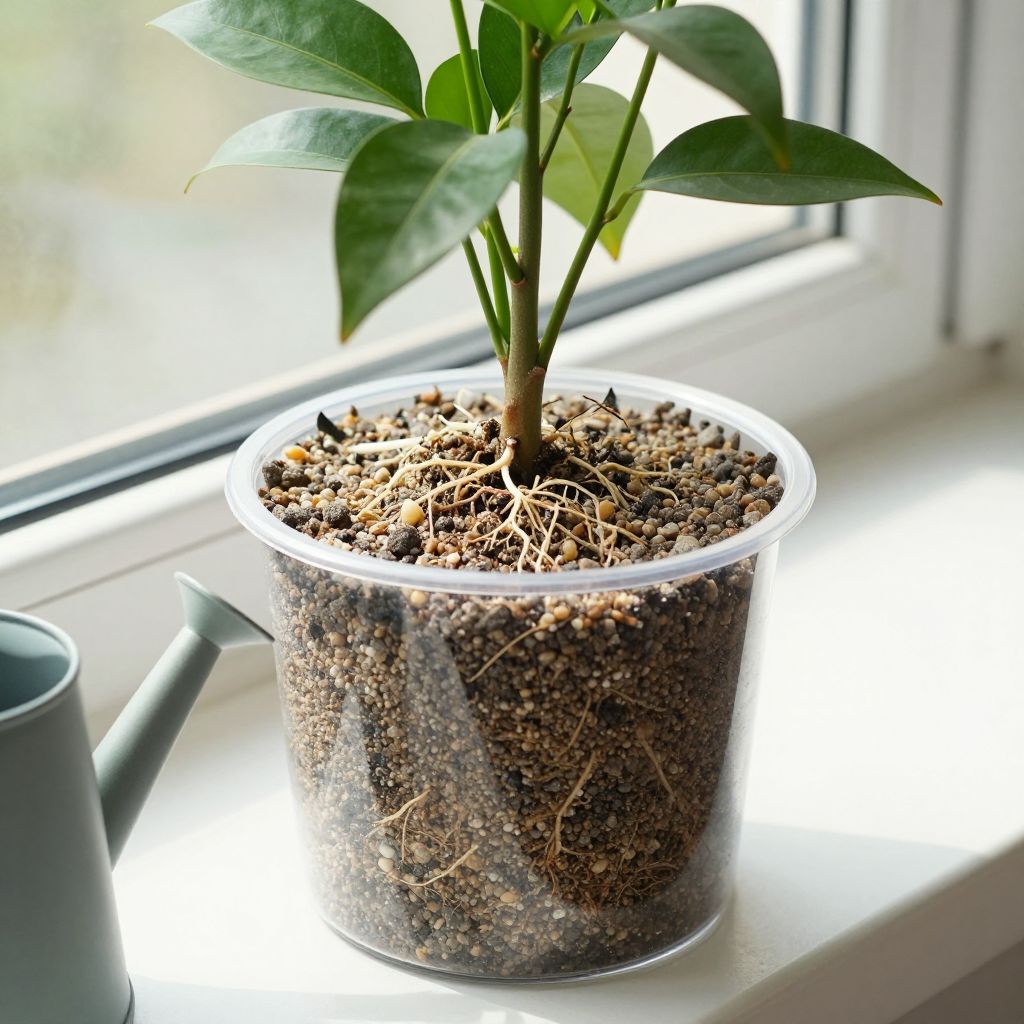
Are you wondering what is pon for plants and whether it’s worth using in your garden or indoor pots? Pon is a soilless growing medium made from mineral ingredients, and it’s often used as a cleaner, airier alternative to regular potting mix for houseplants.
It can help improve drainage, reduce compaction, and make watering more predictable, especially for plants that dislike staying wet. The key is to understand what it does, which plants it suits, and how to use it correctly.
What Is Pon for Plants?
Pon is a mineral-based planting medium usually made from ingredients such as pumice, lava rock, zeolite, and sometimes a small amount of slow-release fertilizer. It is designed to hold moisture while still leaving plenty of air around roots, making it useful for container plants that need excellent drainage.
What Pon Is Made Of and How It Works
Unlike traditional potting soil, pon contains no peat, bark, or compost. That means it does not break down quickly, and it does not behave like ordinary soil in a pot.
Typical ingredients
- Pumice for air spaces and light moisture retention
- Lava rock for structure and drainage
- Zeolite to help hold nutrients and water
- Sometimes a starter fertilizer or nutrient charge, depending on the brand
The mix is popular with indoor gardeners because it is stable, reusable after cleaning, and less likely to become soggy than many standard mixes. It also makes it easier to monitor root health in transparent pots or self-watering systems.
Which Plants Grow Well in Pon?
Pon works best for plants that like evenly moist but well-aerated roots. It is especially useful for many houseplants, semi-hydro setups, and plants that suffer in dense, water-retentive soil.
Good candidates
- Pothos (Epipremnum aureum)
- Philodendrons
- Monstera
- Anthuriums
- Syngoniums
- Hoya, in some setups if you are careful with moisture
- Orchids in modified mineral-based systems, depending on species and setup
Plants that may need extra caution
- Succulents and cacti, which often prefer a drier, faster-draining mix
- Plants that dislike frequent feeding if the pon contains fertilizer
- Large outdoor plants in the ground, where pon is usually unnecessary
Pon is mainly a container medium. It is not a replacement for garden soil in beds, borders, or landscape planting.
What Is Pon for Plants Used For?
Gardeners use pon to create a more controlled root environment. It is especially helpful when you want consistent moisture without the airless conditions that can lead to root rot.
Common uses
- Transplanting houseplants from soil to a mineral medium
- Growing in semi-hydro or passive hydroponic containers
- Reducing fungus gnat problems linked to wet organic potting mix
- Improving drainage in pots that tend to stay wet too long
- Supporting plants during propagation or recovery from root issues
It can also be a good choice if you travel often, because a properly set-up pon container can buffer moisture better than a small pot of dry potting mix. Still, it is not “set and forget”; plants in pon still need observation.
How to Use Pon in Pots
Using pon correctly matters more than simply filling a pot with it. The container, watering method, and transition from soil all affect whether roots adapt well.
Step-by-step setup
- Choose a pot with drainage unless you are using a true semi-hydro setup designed to hold a reservoir.
- Rinse the pon to remove dust before planting.
- Remove as much old soil as possible from the roots when repotting from potting mix.
- Place the plant so the crown sits at the same level it did before.
- Fill around the roots with pon and gently tap the pot to settle it.
- Water thoroughly so the medium is evenly moistened.
- Allow excess water to drain away unless your system is designed to retain a small reservoir.
If you are moving a plant from soil to pon, expect a transition period. Some roots adapted to soil may die back while new roots form for the new medium. That is normal if the plant is otherwise healthy.
Transition tips
- Trim away rotten, mushy, or dead roots before repotting.
- Keep the plant in bright, indirect light while it adjusts.
- Avoid overwatering during the first few weeks.
- Watch for new root growth rather than assuming immediate top growth.
Watering Pon: What You Need to Know
Pon is not watered the same way as regular soil. Because it is mineral-based, it often dries differently on top and below the surface, so checking the pot by feel or weight is more reliable than following a fixed schedule.
Practical watering guidance
- Water when the upper layer begins to dry and the pot feels noticeably lighter.
- For semi-hydro systems, maintain only a small reservoir if the plant and container are designed for it.
- Flush the medium occasionally to prevent salt buildup, especially if you fertilize regularly.
Do not assume pon means constant moisture is always better. Many plants still need a drying cycle between waterings, even in an airy medium.
Fertilizing Plants Grown in Pon
Because pon contains little or no organic matter, it does not feed plants the way compost-rich soil can. You usually need to supply nutrients through watering or a suitable fertilizer program.
What to keep in mind
- Use a balanced fertilizer made for container plants or hydro-style feeding if appropriate for your setup.
- Start lightly and watch the plant’s response rather than feeding heavily at once.
- Flush the pot periodically to reduce mineral buildup on the medium and roots.
If your pon product already includes fertilizer, check the label before adding more. Overfeeding can cause leaf burn, crusting on the medium, or stressed roots.
Sunlight, Temperature, and Placement
Pon does not change a plant’s light needs. A plant that needs bright indirect light still needs bright indirect light, whether it is in soil or pon.
General placement tips
- Keep most houseplants in bright, indirect light unless the species prefers otherwise.
- Protect roots from hot windowsills or cold drafts.
- Use a stable indoor spot where temperature and light are fairly even.
Because pon can dry differently from soil, a plant in a warm, sunny room may need more frequent watering than the same plant in a cooler space. Always adjust to your home conditions.
Common Problems When Using Pon
Most issues with pon come from treating it like ordinary potting soil. If a plant struggles, the problem is often in the setup, watering, or nutrient routine rather than the medium itself.
1. Roots stay too wet
This usually happens when the pot lacks drainage, the reservoir is too deep, or the plant is being watered too often. Reduce standing water and let the medium breathe between waterings.
2. Leaves yellow after repotting
Some yellowing can occur during transition, especially if old soil roots die back. If the plant keeps declining, check for rot, poor light, or overwatering.
3. White crust on the medium
This is often mineral or fertilizer buildup. Flush the pot with clean water and review your feeding routine.
4. Fungus gnats are still present
Pon can reduce gnats, but it will not eliminate them if nearby pots still contain wet organic mix. Remove breeding sources and let the top layer dry more between waterings.
5. Plant growth stalls
Slow growth may mean the plant is not getting enough light, nutrients, or root space. Check all three before changing the medium again.
When Pon Is Better Than Potting Soil
Pon can be a smart choice when you want more control over watering and root aeration. It is especially useful if your normal potting mix stays wet too long or breaks down quickly.
Consider pon if you want:
- A cleaner, less messy indoor medium
- Better drainage for moisture-sensitive roots
- A reusable medium for container plants
- A semi-hydro style setup with more predictable watering
Traditional potting mix is still better for many outdoor containers, annual flowers, vegetables, and plants that benefit from richer organic matter. Pon is a tool, not a universal replacement.
How to Tell Whether Pon Is Right for Your Plant
The best way to decide is to match the medium to the plant’s natural preferences and your growing conditions. If your plant likes airy roots, even moisture, and regular feeding, pon may be a good fit.
Ask yourself these questions
- Does this plant hate soggy soil?
- Can I monitor watering and nutrients closely?
- Am I growing it in a pot or indoor container?
- Am I prepared to adjust care during the transition?
If the answer is yes to most of these, pon may be worth trying on one plant before converting your whole collection.
Maintenance and Reuse
One advantage of pon is that it can often be cleaned and reused. That makes it appealing for gardeners who repot frequently or want to reduce waste.
Basic maintenance
- Remove old roots and debris after repotting.
- Rinse the medium well before reusing it.
- Inspect for salt buildup or broken-down particles.
- Replace the medium if it becomes heavily contaminated or compacted.
Even though pon is durable, the plant’s health still depends on clean pots, balanced feeding, and regular checks for root problems.
Conclusion: Should You Try Pon?
What is pon for plants? It is a mineral growing medium that can improve drainage, support healthier roots, and make watering more controlled in container gardening. It works best when you match it to the right plant and avoid treating it like ordinary soil.
If you want to experiment, start with one houseplant, observe how it responds, and adjust your watering and feeding based on the plant’s needs. For more container-growing ideas, you may also want to read about choosing the right potting mix and improving drainage for houseplants.