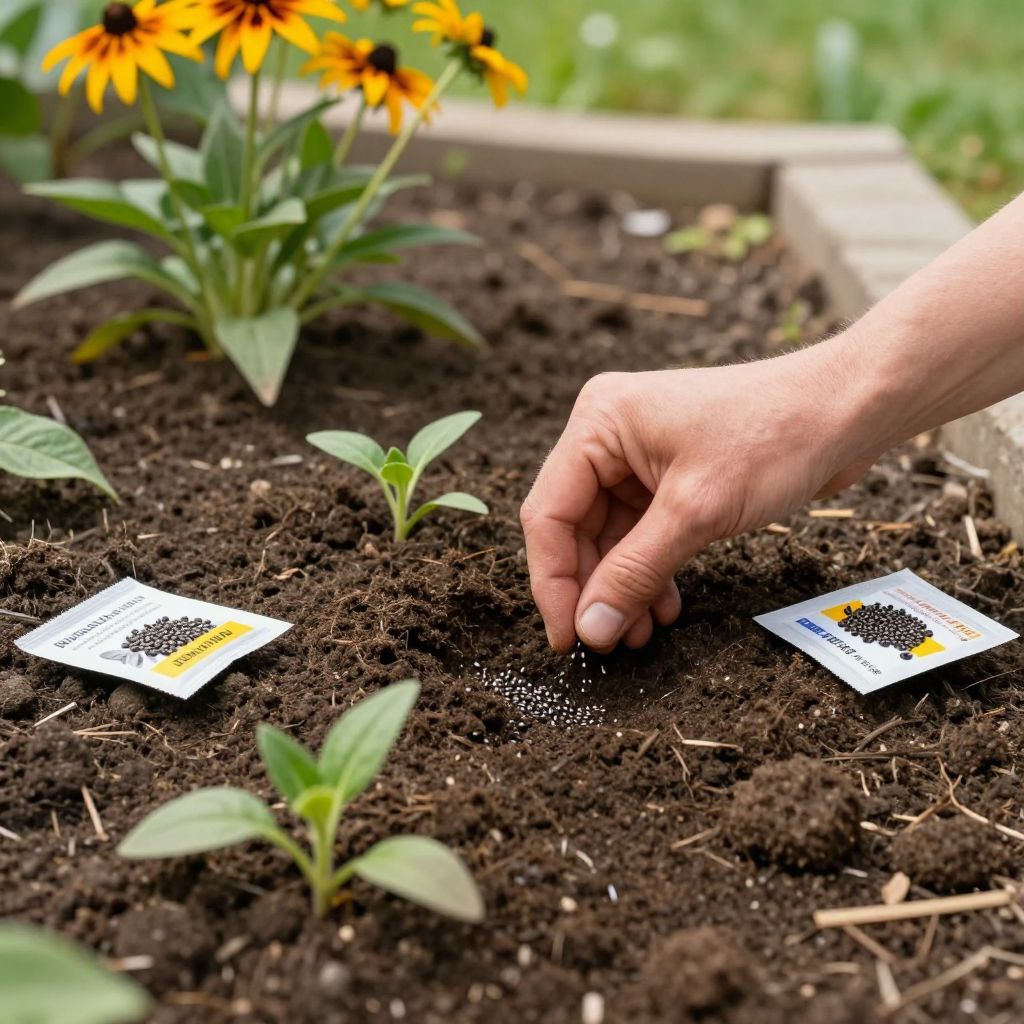
Wondering when to plant black eyed Susan seeds so they sprout well and bloom strongly? Timing matters because these native-style wildflowers respond differently to spring sowing, fall sowing, and indoor starts. The best approach depends on your climate, your soil, and whether you want flowers sooner or are happy to let nature do the work.
Black-eyed Susans are usually easy from seed, but planting at the right time helps you get better germination, sturdier seedlings, and more flowers in the first season. Here’s how to choose the best planting window and avoid the common mistakes that slow them down.
When to plant black eyed Susan seeds?
Plant black-eyed Susan seeds in early spring after the last frost, or sow them in fall for natural cold exposure if your climate allows it. You can also start seeds indoors 6 to 8 weeks before your last frost date, but many gardeners get excellent results from direct sowing outdoors once the soil is workable and warming.
Understanding the best planting window
Spring sowing outdoors
For most gardeners, spring is the most reliable time to plant black eyed Susan seeds. Wait until the danger of hard frost has passed and the soil has begun to warm, because cold, wet ground can slow germination and increase rot.
If you are direct sowing, aim for soil temperatures around 60°F to 70°F if possible. In cooler soils, seeds may still sprout, but they usually take longer and can be less even.
Fall sowing for natural stratification
In many regions, fall planting works well because winter gives the seeds the cold period they often need to germinate well. Sow them after temperatures cool but before the ground freezes solid, so they can settle into the soil.
This method is especially useful if you want a more naturalized planting or if your local winters are cold enough to help break dormancy. In milder climates, fall sowing may be less dependable unless the seeds still get enough chill.
Starting seeds indoors
If you want a head start, sow seeds indoors about 6 to 8 weeks before your last expected frost date. This is useful in short-season areas or if you want larger transplants ready to set out in spring.
Indoor starting can work well, but black-eyed Susans often transplant best when handled gently. Use small pots or cell trays and avoid letting seedlings become rootbound.
Should you direct sow or start indoors?
Both methods can work, but direct sowing is often simpler for this plant. Black-eyed Susan seeds are small, and seedlings usually establish well when sown where they will grow.
- Direct sow if you want the easiest method and your outdoor season is long enough.
- Start indoors if your spring is short, your soil stays cold for a long time, or you want earlier blooms.
- Fall sow if you want nature to provide the cold period and your winters are suitable.
Choose the method that matches your climate and your gardening routine. The plant is forgiving, but timing still affects how quickly it gets established.
How to plant black eyed Susan seeds correctly
Prepare the site
Pick a spot with full sun, meaning at least 6 hours of direct light daily. Black-eyed Susans tolerate light shade, but flowering is usually best in brighter conditions.
Soil should drain well. These plants dislike soggy ground, especially when young. If your soil is heavy clay, work in compost to improve structure and drainage rather than planting into compacted soil.
Sow at the right depth
Black-eyed Susan seeds are tiny, so they should be planted shallowly. Press them into the soil surface and cover lightly, or barely cover them with a fine layer of soil.
A good rule is to sow them no deeper than about 1/8 inch. Seeds buried too deeply may fail to emerge because they need light and easy access to the surface.
Keep the seedbed evenly moist
After sowing, water gently so you do not wash the seeds away. Keep the top layer of soil lightly moist until germination, which may take one to several weeks depending on temperature and seed freshness.
Moist does not mean soaked. Too much water can lead to damping off or seed rot, especially in containers or poorly drained beds.
Best soil and growing conditions
Black-eyed Susans are adaptable, but they perform best in average garden soil that drains well. They do not need rich, heavily amended soil to thrive, and overly fertile ground can sometimes encourage floppy growth instead of sturdy stems.
- Sun: Full sun is best.
- Soil: Well-drained loam, sandy soil, or amended clay.
- Moisture: Moderate; avoid waterlogged conditions.
- pH: They are fairly adaptable in typical garden ranges.
If your soil is poor, a modest amount of compost mixed into the top layer is usually enough. You do not need to overfeed them to get good flowers.
How to start black eyed Susan seeds indoors
- Fill trays or small pots with a fine seed-starting mix.
- Moisten the mix before sowing so it is evenly damp, not soggy.
- Scatter seeds thinly on the surface.
- Press them in lightly and cover very sparingly, if at all.
- Place containers in bright light and keep the temperature moderate.
- Water gently whenever the surface begins to dry.
- Harden off seedlings gradually before moving them outdoors.
When seedlings have a few true leaves and outdoor conditions are suitable, transplant them carefully. Handle them by the root ball or leaves, not the stems.
Hardening off matters
Indoor-grown seedlings need time to adjust to wind, sun, and cooler nights. Set them outside for a few hours a day at first, increasing exposure over 7 to 10 days. Skipping this step can lead to sun scorch or transplant shock.
Common mistakes to avoid
- Planting too early: Cold, wet soil can slow or prevent germination.
- Burying seeds too deeply: They need light and a shallow planting depth.
- Overwatering: Constantly soggy soil can rot seeds and seedlings.
- Choosing too much shade: Plants may grow but bloom less.
- Using overly rich soil: Excess fertility can produce weak, leggy growth.
If your seedlings seem slow, check soil temperature, moisture, and planting depth before assuming the seed is bad. Many germination issues come from conditions, not from the seed itself.
What to expect after germination
Once seedlings emerge, thin them if they are crowded so each plant has room to develop. Good spacing improves air circulation and reduces disease pressure later on.
Young plants usually need regular moisture while they establish roots. After that, black-eyed Susans become fairly drought tolerant, though they still flower better with occasional deep watering during dry spells.
Spacing and airflow
Give plants enough room to mature without crowding. Exact spacing depends on the type and cultivar, but allowing air movement between plants helps prevent fungal problems and keeps stems upright.
How to care for black-eyed Susans through the season
These plants are low-maintenance once established, which is one reason they are so popular in borders, pollinator gardens, and naturalized plantings.
- Water young plants regularly until roots are established.
- Mulch lightly to conserve moisture and reduce weeds, but keep mulch off the crown.
- Deadhead spent blooms if you want a longer display.
- Leave some seed heads in place if you want birds to feed on them later.
If you want a tidier look, cut back stems after flowering. If you want a more wildlife-friendly planting, leave some seed heads standing through fall and winter.
Pests, diseases, and other problems
Black-eyed Susans are generally tough, but young plants can still run into trouble if conditions are poor.
Common issues
- Powdery mildew: More likely in crowded, shady, or humid plantings.
- Root rot: Usually caused by poorly drained soil or overwatering.
- Aphids: Can cluster on tender new growth and flower stems.
- Slugs and snails: May damage seedlings in damp weather.
Good spacing, full sun, and well-drained soil prevent many of these problems. If pests show up, remove them early and keep the planting area clean and airy.
Can you collect seeds from your plants?
Yes. If you let some blooms mature fully, you can collect seed heads when they dry. Store the seeds in a cool, dry place until you are ready to sow them.
Keep in mind that if you grow named cultivars, seedlings may not look exactly like the parent plant. Seed-grown black-eyed Susans can vary more than vegetatively propagated plants.
Best timing by climate
Your local weather should guide the calendar more than any fixed date. In colder regions, wait until spring soil warms or use indoor sowing for a head start. In milder regions, fall sowing may be the easiest way to get strong germination.
If you are unsure, use your average last frost date as a guide and adjust for your microclimate. A sheltered urban garden, a windy hillside, and a low, wet site can all behave differently.
Final takeaways
If you are asking when to plant black eyed Susan seeds, the safest answer is: sow them in spring after frost, or in fall if your climate provides a useful cold period. Keep the sowing shallow, give them sun and drainage, and avoid overwatering. With the right timing, these easy flowers will reward you with a long, bright display.
For more practical flower-garden planning, you may also want to read about how to start flower seeds indoors and best perennials for pollinators.