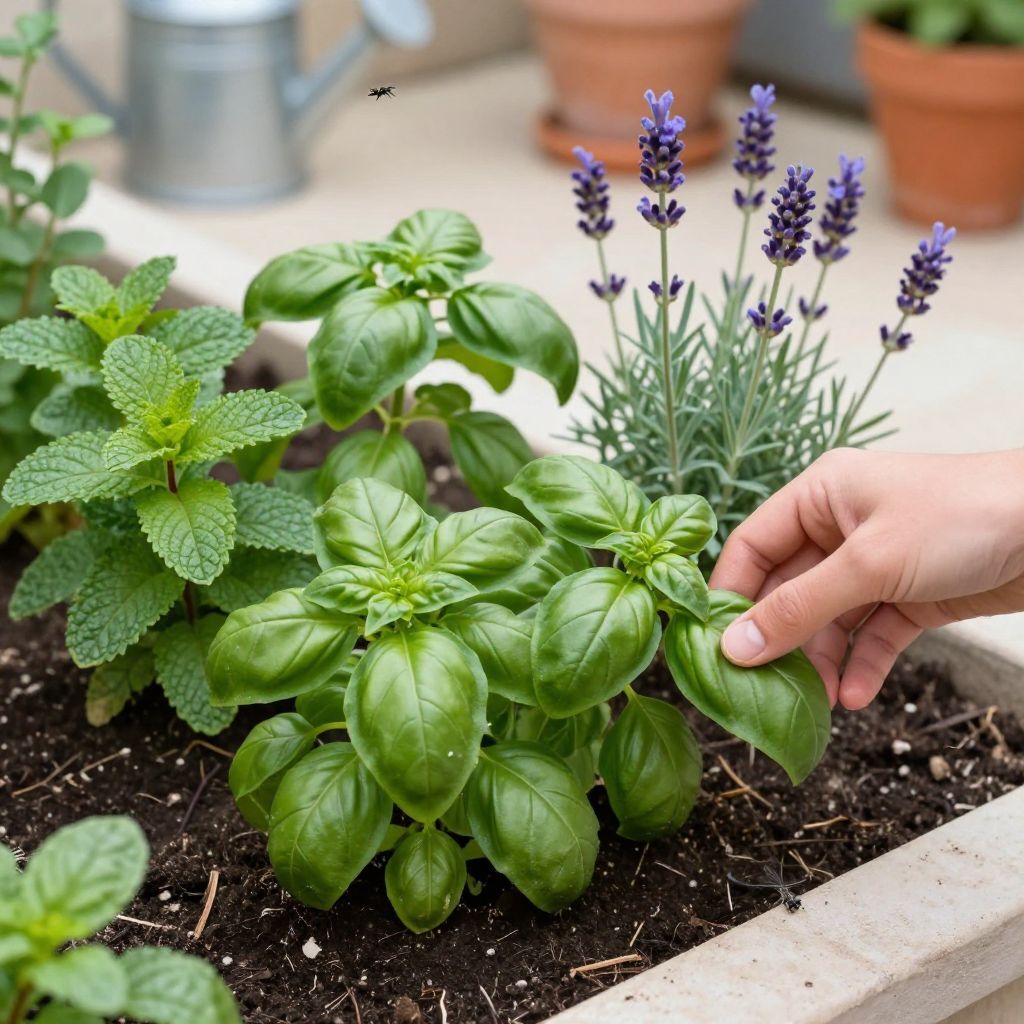
Trying to figure out what plants keep flies away? The short answer is that a few strongly scented herbs and flowering plants can help make outdoor seating areas less attractive to flies, especially when they’re grown densely and kept healthy. They work best as part of a broader approach that also includes sanitation, airflow, and removing breeding sites.
If you want real results, choose the right plants for your climate, place them where people gather, and maintain them so they keep producing scent. No plant will eliminate flies completely, but the right planting can make a noticeable difference around patios, doors, decks, and kitchen gardens.
What plants keep flies away?
Some of the best fly-repelling plants are aromatic herbs and flowers such as basil, mint, lavender, rosemary, marigolds, catnip, and scented geraniums. Their oils and fragrance can help mask the smells that attract flies, especially when leaves are brushed or crushed. For best results, grow them near entrances, seating areas, and windows.
Best fly-repelling plants for home gardens
Basil
Ocimum basilicum is one of the most useful plants for a kitchen garden and a patio pot. Its strong scent can help discourage flies near doors and outdoor dining areas.
Basil prefers full sun, warm temperatures, and well-drained soil rich in compost. Pinch the tips regularly to keep plants bushy and leafy, because flowering can reduce leaf production and weaken the scent over time.
Mint
Mint has a sharp aroma that many gardeners use around seating areas and paths. It grows quickly and spreads aggressively, so it is usually best in containers rather than in open beds.
Use a pot at least 12 inches wide with good drainage. Keep the soil evenly moist, but never soggy, and trim it often to encourage fresh growth. Do not plant mint directly in the ground unless you are prepared to contain it.
Lavender
Lavandula species offer a clean, fragrant scent and are attractive in borders, raised beds, and containers. They can help make outdoor areas less appealing to flies while also supporting pollinators.
Lavender needs full sun and sharply drained soil. It dislikes heavy, wet ground, so improve clay soil with grit or grow it in raised beds or pots. Prune lightly after flowering to keep plants compact and woody growth from becoming sparse.
Rosemary
Salvia rosmarinus is a tough, aromatic herb that works well near patios and sunny walls. Its scent is strongest when the foliage is brushed or warmed by the sun.
Give rosemary full sun, excellent drainage, and moderate watering. It performs best in containers or free-draining beds. Avoid overwatering, which can lead to root rot and weak growth.
Marigolds
French and African marigolds are often planted around vegetable beds and entryways. Their scent is not a magic shield, but it can contribute to a less fly-friendly planting scheme.
Marigolds grow best in full sun and ordinary garden soil that drains well. Deadhead spent flowers to keep them blooming, and avoid overly rich soil that produces lush foliage with fewer flowers.
Catnip
Nepeta cataria is a vigorous mint-family plant with a strong aroma. Some gardeners use it to help reduce fly activity near outdoor spaces.
Catnip is easy to grow in full sun or light shade and tolerates average soil. Like mint, it can spread, so containers or contained beds are a smart choice. Cut it back after flowering to encourage fresh leaves.
Scented geraniums
Scented geraniums, often from the genus Pelargonium, come in many leaf fragrances and are popular in pots near doors and windows. Their foliage releases scent when touched, which can help in high-traffic areas.
Grow them in bright light with well-drained potting mix. Bring pots indoors before cold weather if your climate freezes, and avoid waterlogged soil.
How to plant fly-repelling herbs and flowers for the best effect
Placement matters as much as the plant itself. Put aromatic plants where people pass by, sit, or open doors, because brushing the foliage releases more scent than leaving plants tucked far away.
- Choose the sunniest suitable spot. Most fly-repelling herbs need at least 6 hours of sun.
- Use well-drained soil. Mix in compost for fertility, but avoid making the soil heavy or soggy.
- Plant in clusters. Grouping several aromatic plants together creates a stronger scent zone than single plants scattered around.
- Keep them near use areas. Place pots by patios, decks, outdoor tables, and kitchen doors.
- Leave room for airflow. Good spacing helps foliage dry quickly and reduces disease.
If your soil is clay-heavy or stays wet after rain, use raised beds or containers. Many of these plants fail not because they are poor fly deterrents, but because they are grown in the wrong conditions.
Indoor vs. outdoor use
Outdoor spaces
Outdoors, these plants work best as part of a living border around the places where flies are a nuisance. A sunny herb pot on a table, a row of marigolds along a path, or a rosemary planter beside the grill can all help.
Still, flies are often drawn by food scraps, pet waste, compost, and standing water. If those sources remain, plants alone will not solve the problem.
Indoor spaces
Indoors, potted herbs can help around sunny windows, kitchens, and enclosed porches, but they need enough light and careful watering. Basil, mint, and scented geraniums are common choices for bright indoor spots.
Use pots with drainage holes and a saucer that is emptied after watering. Indoor plants that stay too wet can attract fungus gnats, which are often mistaken for flies.
Soil, compost, and drainage requirements
Healthy roots produce stronger foliage and better scent, so soil quality matters. Most of these plants prefer a loose, airy mix that drains quickly but still holds some moisture.
- Good drainage: essential for lavender, rosemary, and scented geraniums.
- Moderate fertility: enough compost to support growth, but not so much that plants become soft and floppy.
- Container mix: use a quality potting mix rather than garden soil in pots.
For beds, work in compost before planting and avoid heavy, compacted ground. If water puddles after rain, choose a raised bed or a different site.
Watering and feeding without weakening the plants
Overwatering is one of the most common mistakes with aromatic plants. Too much moisture can dilute flavor, reduce scent, and increase disease pressure.
- Water basil and mint when the top inch of soil feels dry.
- Water lavender and rosemary more sparingly once established.
- Use mulch lightly around in-ground plants, but keep it away from stems.
- Feed container plants occasionally with a balanced, diluted fertilizer if growth slows.
In hot weather, potted plants may need more frequent watering than in spring or fall. Check soil with your finger rather than following a fixed schedule.
Pruning, harvesting, and maintenance
Regular harvesting helps many of these plants stay compact and aromatic. The more often you pinch basil, mint, and catnip, the more fresh growth they produce.
Simple maintenance routine
- Pinch basil tips every 1–2 weeks during active growth.
- Trim mint and catnip back after flowering or when they become leggy.
- Deadhead marigolds to extend bloom time.
- Lightly prune rosemary and lavender after flowering, but avoid cutting into old woody stems too hard.
Use clean snips or scissors to reduce the spread of disease. Remove yellowing or damaged leaves promptly so the plant can focus on healthy growth.
Common problems and how to fix them
Plants look healthy but flies are still present
This usually means the fly source is nearby. Check for uncovered compost, pet waste, fallen fruit, garbage bins, or damp organic debris. Plants can help, but sanitation is the main fix.
Leaves are sparse or scent is weak
Insufficient sun, poor drainage, or too much shade can reduce fragrance. Move pots to a brighter spot, thin overcrowded plants, and avoid overfeeding with nitrogen-heavy fertilizer.
Leaves are yellowing or wilting
Yellowing often points to overwatering or poor drainage. Wilting can also happen in extreme heat, especially in pots. Let the soil dry slightly before watering again and make sure containers drain freely.
Pests and diseases
Aromatic plants can still get aphids, spider mites, powdery mildew, and root rot. Inspect undersides of leaves, improve airflow, and remove badly affected growth. If a plant is repeatedly diseased, it may be in the wrong location.
How to use plants as part of a fly-control strategy
The most effective approach combines planting with good garden hygiene. Think of these plants as a helpful layer, not a complete solution.
- Empty outdoor trash regularly and keep lids tight.
- Clean up fallen fruit and vegetable scraps.
- Turn compost properly and keep it covered.
- Drain standing water in saucers, buckets, and low spots.
- Keep pet areas clean and dry.
When you combine these habits with scented plants near gathering areas, you create a much less inviting environment for flies.
Best plant combinations for patios, kitchens, and borders
For a patio, try a mix of basil, rosemary, and marigolds in containers. For a sunny kitchen window, basil and scented geraniums are useful choices. For a border or raised bed, lavender with marigolds can add fragrance and color while keeping maintenance simple.
If you want a stronger effect, repeat the same plants in several spots rather than relying on one large planting. Repetition helps create a more noticeable scent barrier around the space you use most.
Conclusion
If you want to know what plants keep flies away, start with basil, mint, lavender, rosemary, marigolds, catnip, and scented geraniums. Put them in sunny, well-drained spots, keep them healthy, and pair them with good cleanup habits so they can do their best work. Choose one area of your garden or patio and plant a small cluster this week.
For more practical help with fragrant herbs and container growing, you may also want to read about growing herbs in pots and how to design a low-maintenance patio garden.