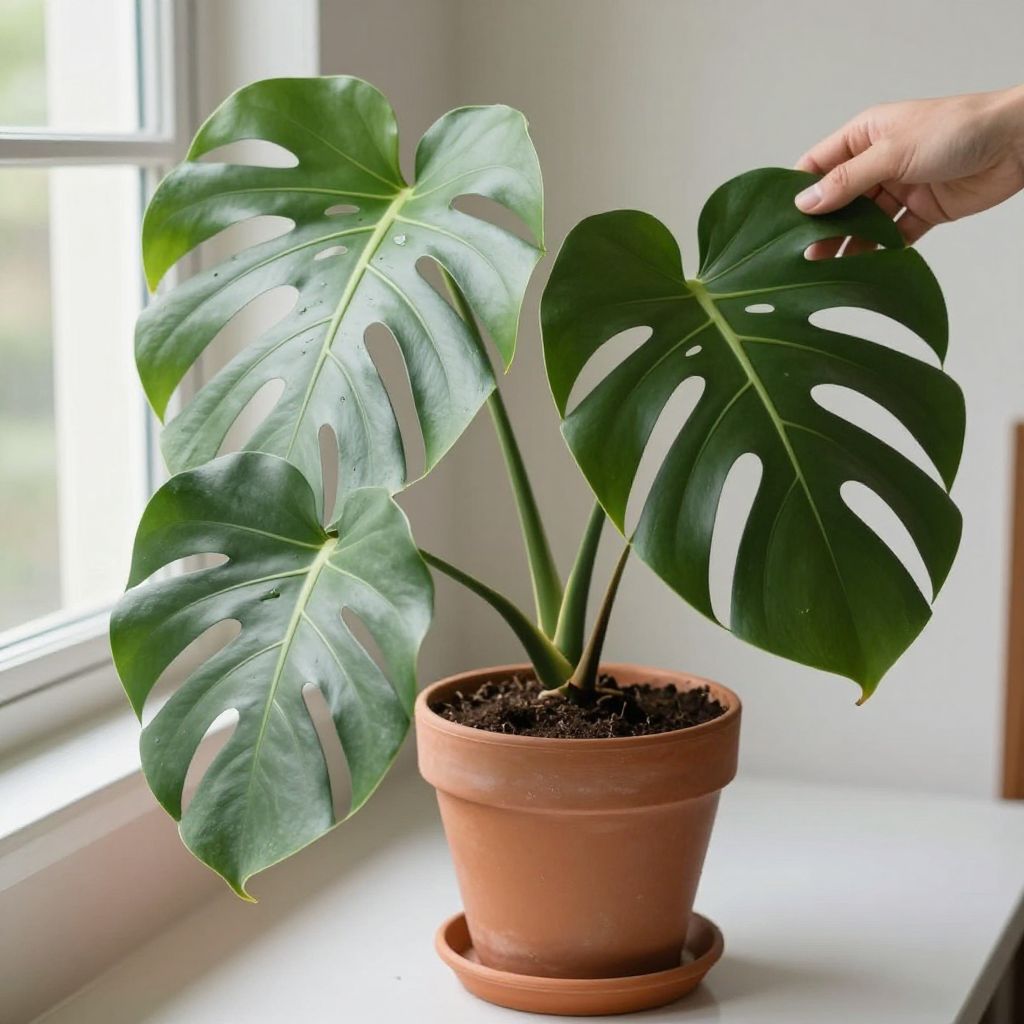
Why is my Monstera droopy? In most cases, a drooping Monstera is reacting to a watering problem, poor drainage, low light, root stress, or sudden environmental change. The good news is that most causes are fixable once you check the soil, roots, and growing conditions in the right order.
Monstera deliciosa and related Monstera houseplants usually recover well if you catch the issue early. The key is to avoid guessing: a droopy plant can be underwatered, overwatered, rootbound, or stressed by cold drafts, pests, or compacted soil.
Why is my Monstera droopy?
A droopy Monstera is usually signaling that its roots are not getting the balance of moisture, oxygen, and light they need. The most common causes are underwatering, overwatering, poor drainage, low light, rootbound growth, or root rot. Start by checking the soil and pot before changing anything else.
Check the soil first: dry, soggy, or somewhere in between?
The fastest way to diagnose a droopy Monstera is to feel the potting mix. If the top few inches are dry and the pot feels very light, the plant may be thirsty. If the soil is wet, heavy, or smells sour, the roots may be struggling from too much water.
If the soil is dry
- Water thoroughly until excess drains from the bottom.
- Empty the saucer so the roots do not sit in water.
- If the mix has pulled away from the pot edges, water slowly in two passes so it rehydrates evenly.
If the soil is wet
- Pause watering and let the pot dry more before watering again.
- Make sure the container has drainage holes.
- If the mix stays wet for many days, repot into a chunkier, faster-draining aroid mix.
Important: A droopy plant does not always need more water. Overwatering can cause the same limp look as drought, especially if roots are damaged.
Common reasons a Monstera droops and how to fix them
1. Underwatering
Monstera leaves often wilt and stems soften when the plant is too dry. In warmer rooms or bright light, a pot can dry out faster than expected, especially if the plant is rootbound or in a small container.
Fix: Water deeply until the whole root ball is moistened, then let the excess drain. Going forward, water when the top 2 to 3 inches of mix feel dry, not by the calendar.
2. Overwatering and root rot
Constantly wet soil reduces oxygen around the roots. That can lead to yellowing, drooping leaves, mushy stems, and a sour smell from the pot. If the plant has been watered often but still looks limp, root rot is a serious possibility.
Fix: Remove the plant from the pot and inspect the roots. Healthy roots are firm and light-colored; rotten roots are brown, black, mushy, or hollow. Trim damaged roots with clean scissors and repot into fresh, airy mix if needed.
3. Poor drainage or heavy soil
Even if you water correctly, a dense potting mix can hold too much moisture around the roots. Monstera plants prefer a loose, chunky medium that drains well and still holds some moisture.
Fix: Use a well-aerated houseplant mix amended with ingredients such as orchid bark, perlite, or pumice. Avoid heavy garden soil in containers, which compacts and suffocates roots.
4. Low light
Monstera can tolerate lower light than many houseplants, but too little light slows growth and weakens stems. In dim conditions, the plant may stretch, lean, and droop because it cannot support its own foliage well.
Fix: Move it to bright, indirect light near a window. Avoid harsh direct sun that can scorch leaves, but do give it enough light to maintain sturdy growth. Rotate the pot every couple of weeks so it grows evenly.
5. Rootbound growth
If roots have filled the pot, the plant may dry out too quickly or stop taking up water properly. A rootbound Monstera can look droopy even when you water it, because the roots are crowded and stressed.
Fix: Check for roots circling the pot bottom or emerging from drainage holes. If the plant is tightly packed, repot one size up into fresh mix. Choose a pot only a little larger than the root ball so the soil does not stay wet too long.
6. Temperature and draft stress
Sudden changes in temperature can make Monstera leaves droop. Cold windows, air-conditioning vents, heaters, and drafty doorways all create stress, especially in winter.
Fix: Keep the plant in a stable indoor spot away from blasts of hot or cold air. Monstera generally prefers warm, steady conditions rather than swings from day to night.
7. Pest pressure
Spider mites, thrips, mealybugs, and scale can weaken a Monstera enough that the leaves lose firmness. Pests are easy to miss at first, especially on the undersides of leaves and along stems.
Fix: Inspect the plant closely for speckling, sticky residue, fine webbing, cottony clusters, or tiny moving insects. Wipe leaves with a damp cloth and treat according to the pest you find. Isolate the plant from others while you address the problem.
8. Transplant shock or recent changes
After repotting, moving to a new room, or changing light levels, a Monstera may droop temporarily. This is often a stress response while the plant adjusts to its new conditions.
Fix: Keep care consistent and avoid overcorrecting. Give the plant time to settle, and make sure the root zone stays evenly moist but not soggy.
How to diagnose a droopy Monstera step by step
- Feel the soil. Check moisture 2 to 3 inches below the surface.
- Look at the leaves. Limp, curling, or yellowing leaves can point to different issues.
- Check the pot. Confirm that drainage holes are open and the plant is not sitting in water.
- Inspect the roots if needed. Slide the plant out gently if the soil is wet, sour, or the plant is declining.
- Review the location. Consider light, drafts, heat sources, and recent moves.
- Search for pests. Look under leaves and along stems with a close eye.
What healthy Monstera care looks like
Once you correct the cause, the goal is steady, not perfect, care. Monsteras do best when their roots can breathe, their soil dries slightly between waterings, and they receive bright indirect light.
- Watering: Water when the upper layer of mix dries, then drain well.
- Soil: Use a chunky, fast-draining indoor mix.
- Container: Always use a pot with drainage holes.
- Light: Bright indirect light is ideal indoors.
- Humidity: Average home humidity is usually fine, but very dry air can contribute to stress.
- Support: A moss pole or stake can help larger plants stay upright.
When to repot a droopy Monstera
Repot if the plant is rootbound, the soil stays wet too long, or you suspect root rot. Repotting is also useful when the mix has broken down and become dense over time.
Choose a pot with drainage holes that is only slightly larger than the current root ball. Too much extra soil can hold water for too long and make drooping worse. Fresh mix should be airy, not muddy.
Repotting tips that help recovery
- Water lightly before repotting if the mix is bone dry and compacted.
- Remove only clearly dead or rotten roots.
- Do not bury the stem deeper than before.
- After repotting, water once and let the pot drain fully.
Pruning and support can improve appearance
If the plant is healthy but floppy, pruning and support can help it look better while it recovers. Monsteras naturally climb, so older plants may sprawl if they do not have something to lean on.
Use clean pruners to remove badly damaged leaves or stems only if needed. Add a stake, trellis, or moss pole for support, and tie stems loosely so you do not bruise them.
How long does it take a droopy Monstera to recover?
Recovery depends on the cause. A thirsty Monstera may perk up within hours after a thorough watering. A plant recovering from root rot, repotting, or pest damage may take days to weeks to improve, and new healthy growth is the best sign that the fix is working.
If the plant is still declining after you correct watering, light, and drainage, recheck the roots and look again for pests or hidden stem damage. Persistent drooping usually means more than one problem is involved.
Mistakes to avoid
- Watering on a fixed schedule without checking the soil.
- Letting the pot sit in runoff water.
- Using a container without drainage holes.
- Repotting into a pot that is far too large.
- Moving the plant repeatedly while it is stressed.
- Ignoring pests because the leaves still look green.
Conclusion
If you are wondering why is my Monstera droopy, start with the simplest checks: soil moisture, drainage, light, and roots. Most drooping comes down to one of those factors, and most plants recover once the growing conditions are corrected. Check your plant today, make one change at a time, and watch for firmer leaves and new growth.
For more houseplant care help, you may also want to read related guides on how to repot houseplants and fixing yellow leaves on indoor plants.