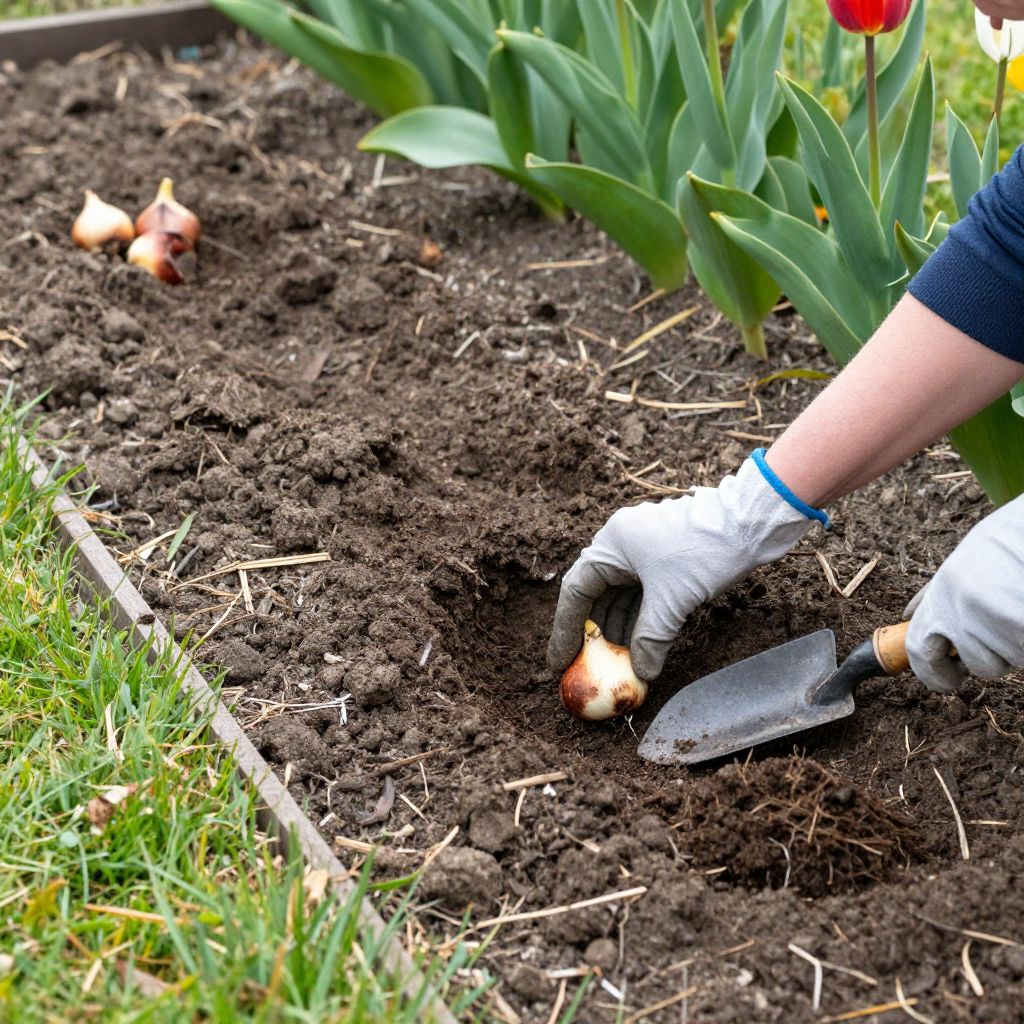
Where should you plant tulips for the best bloom? The short answer is: choose a sunny spot with well-drained soil, good air circulation, and enough room for the bulbs to sit undisturbed through winter and spring. Tulips perform best when their roots stay cool and their bulbs never sit in soggy ground.
If you place them in the right location from the start, tulips are much easier to grow and more likely to return well. The biggest factors are sunlight, drainage, soil quality, and whether the site is exposed to excessive heat, standing water, or heavy shade.
Where to plant tulips?
Plant tulips in a location that gets full sun to light shade in spring, has sharply drained soil, and is protected from waterlogged conditions. A south- or west-facing bed, raised border, rock garden, or the front edge of a mixed perennial bed often works well. Avoid low spots where water collects after rain.
Best planting locations for tulips
Sunny garden beds
Tulips bloom best with plenty of light while they are growing and flowering. A bed that receives at least 6 hours of sun in spring is ideal, though light shade from leafing trees can be fine if the bulbs get strong sun before the canopy fills in.
Choose a spot where the soil warms gradually but does not stay wet. Tulips in full shade often produce weak stems, smaller flowers, and fewer blooms in later years.
Raised beds and berms
If your garden soil is heavy clay or drains slowly, raised beds are one of the best places to plant tulips. Even a modest raised area improves drainage and helps prevent bulb rot.
Raised beds are especially useful in rainy climates, because tulip bulbs dislike sitting in cold, saturated soil for long periods.
Rock gardens and slopes
Rock gardens and gently sloped areas suit tulips well because excess water runs away from the bulbs. These sites also tend to warm up early in spring, which can help with flowering.
Slopes are a smart choice if your yard has a history of puddling or compacted soil. Just make sure the soil still contains enough organic matter to support root growth.
Front edges of borders
Tulips look attractive at the front or middle of mixed borders, where their spring flowers can be enjoyed before taller perennials fill in. This also makes it easier to remove fading blooms or monitor for pests.
For a natural look, plant tulips in small groups rather than single rows. Clumps of 7 to 15 bulbs often look more convincing than scattered individual plants.
Containers and pots
Containers are a good option if your garden soil is poor, you rent your home, or you want tulips near a patio or entryway. Use a pot with drainage holes and a free-draining bulb compost or potting mix.
Container-grown tulips dry out faster than those in the ground, so they need closer attention. They also benefit from a sheltered spot that protects them from excessive winter wet.
Where not to plant tulips
- Low, soggy ground: Tulip bulbs can rot if water pools around them.
- Deep shade: Too little sun leads to weak growth and poor flowering.
- Areas with compacted soil: Dense soil limits root growth and drainage.
- Near aggressive tree roots: Trees compete for moisture and nutrients.
- Hot, reflected heat spots: South-facing walls or paved areas can shorten bloom time and dry the soil too quickly.
If you only have a questionable site, improve it before planting rather than hoping the bulbs will cope. Tulips are more forgiving of cool weather than of wet feet.
Soil conditions tulips prefer
Tulips grow best in loose, fertile soil that drains well. A slightly sandy or loamy texture is ideal, but many gardens can be improved with compost and better site selection.
Drainage matters most
Good drainage is the single most important factor when deciding where to plant tulips. Bulbs are storage organs, and they are vulnerable to rot if the surrounding soil stays saturated.
If you dig a hole and it fills with water, that site is not suitable unless you raise the planting area or improve drainage first.
Adding compost
Mixing in compost can help loosen soil, increase fertility, and improve structure. Use well-rotted compost rather than fresh organic matter, which can encourage rot and attract pests.
In heavy clay, compost helps, but it may not be enough on its own. If drainage is very poor, plant tulips in raised beds or containers instead.
Soil pH and fertility
Tulips are not especially fussy about pH, but they do best in moderately fertile soil. Overly rich soil can encourage soft growth, while very poor soil may reduce flower size.
If you already grow other spring bulbs successfully in the same bed, that is often a good sign the site will suit tulips too.
How much sun do tulips need?
Tulips prefer full sun in spring, but they can tolerate light shade, especially in warmer climates. The key is to give them enough light while they are actively growing and flowering.
In cooler regions, a site with morning sun and afternoon sun is excellent. In hotter areas, a little afternoon shade can help flowers last longer and reduce stress.
Spring sun vs summer shade
Tulips need light in spring, but after flowering, the foliage should be allowed to die back naturally. By then, nearby perennials or shrubs may leaf out and provide shade, which is usually fine.
This is one reason tulips work well under deciduous trees and shrubs: they get sun early in the season, then some protection later.
How to plant tulips in the right spot
- Choose a site with sun, drainage, and room for the bulbs to spread naturally.
- Remove weeds and loosen the soil to a depth of about 8 to 12 inches.
- Mix in compost if the soil is poor or compacted.
- Plant bulbs with the pointed end up, usually about 2 to 3 times as deep as the bulb is tall.
- Space bulbs a few inches apart, or closer for a fuller display if drainage is excellent.
- Water once after planting if the soil is dry, then let seasonal rainfall do the rest unless conditions are unusually dry.
Exact planting depth can vary with bulb size and climate, but deeper planting often helps anchor stems and protect bulbs from temperature swings. Always follow local timing for planting, since autumn conditions differ from place to place.
Should tulips be planted in the same place every year?
Tulips can stay in the same bed for a season or two, and in some gardens they naturalize better than in others. However, many gardeners treat them as short-lived perennials and replant or refresh the display regularly.
If your soil is well drained and the bulbs are healthy, you may get repeat blooms. If flowering declines, the site may be too shady, too wet, or too crowded.
When to lift or divide bulbs
You do not need to lift tulips every year. In fact, disturbing them too often can reduce flowering.
Consider lifting bulbs only if the bed is overcrowded, the site is being redesigned, or you need to move them because the drainage or light conditions are poor.
Common problems from planting tulips in the wrong place
Rotting bulbs
If bulbs fail to emerge or collapse after sprouting, excess moisture is often the cause. The fix is usually to improve drainage, raise the bed, or move future plantings to a drier site.
Weak stems and few flowers
Too much shade, poor soil, or overcrowding can result in floppy growth and disappointing blooms. Move bulbs to a brighter location and avoid overfeeding them with high-nitrogen fertilizer.
Short-lived blooms
Very hot, exposed sites can make tulip flowers fade quickly. A spot with morning sun and some protection from intense afternoon heat may help blooms last longer.
Animal damage
Squirrels, mice, and voles may dig up bulbs in some gardens. If this is a problem, plant more deeply where appropriate, use bulb baskets, or cover the area with wire mesh until the soil settles.
Companion planting ideas for tulips
Tulips look best when paired with plants that hide fading foliage later in spring. Good companions include low-growing perennials, early annuals, or shrubs that leaf out after tulips finish blooming.
- Hostas, which emerge later and cover aging leaves
- Daylilies, for summer coverage after spring bloom
- Brunnera and other shade-tolerant perennials in lightly shaded beds
- Small shrubs or deciduous trees that provide spring sun and summer shade
Avoid planting tulips where dense groundcovers will smother the shoots or make it hard for the foliage to die back naturally.
Tools and supplies that help
- A hand trowel or bulb planter
- Garden fork for loosening compacted soil
- Compost for improving structure
- Mulch, used lightly if your climate is cold or dry
- Drainage-friendly pots if planting in containers
Good tools make planting easier, but site choice matters more than equipment. A perfect bulb in the wrong place will still struggle.
Final tips for choosing the best spot
When deciding where to plant tulips, think in this order: drainage first, sunlight second, and soil improvement third. If you can give bulbs a bright, open, well-drained site, you are already ahead of most common planting mistakes.
Before you plant, walk your garden after a heavy rain and note where water lingers. Then choose the driest sunny spot you have, prepare the soil well, and plant your tulips where they can settle in without stress.
If you want more help with spring bulbs, you may also enjoy reading about how to plant spring bulbs and container gardening tips.