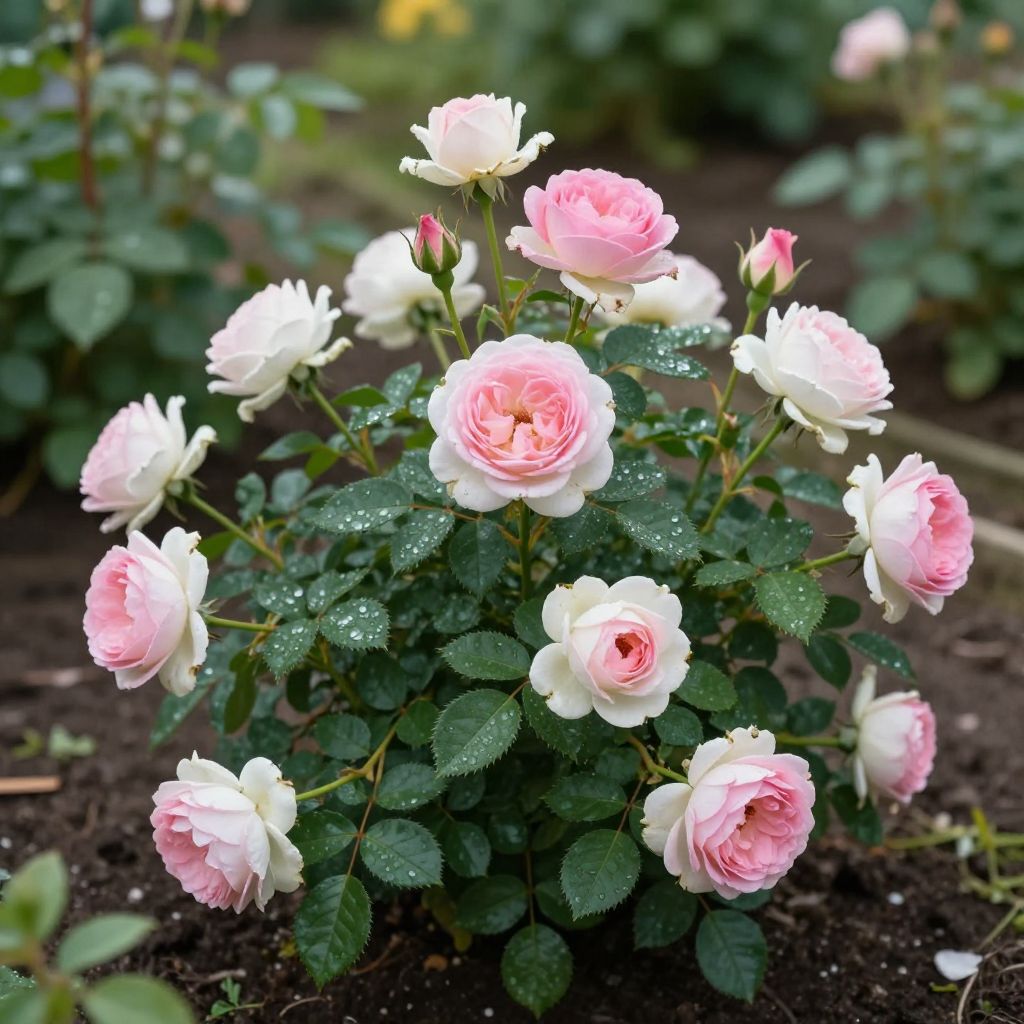
What is the flower for June? If you’re looking for the flower most commonly associated with June, the answer is the rose. Roses are the classic June birth flower, prized for their fragrance, repeat bloom, and wide range of colors and forms.
In the garden, roses can be beautiful but they do best when you match the right type to your climate, soil, and sunlight. This guide explains how to identify the June flower and how to grow roses successfully at home.
What is the flower for June?
The flower for June is most often the rose (Rosa spp.). Roses are the traditional June birth flower and one of the most widely grown ornamental shrubs and climbers. They prefer full sun, fertile well-drained soil, regular watering, and periodic pruning to encourage healthy growth and flowering.
Why roses are the classic June flower
Roses have long been linked with June because many varieties bloom strongly in late spring and early summer. In gardens, that often means the first big flush of flowers appears around this time, especially in temperate climates.
They are also popular because they fit many garden styles. You can grow them as compact border shrubs, climbing roses on fences and arches, or larger shrub roses in mixed plantings.
How to recognize a rose
- Flowers: Layered petals in many shapes, from single to fully double blooms.
- Stems: Often thorny or prickly canes.
- Leaves: Usually compound leaves with serrated leaflets.
- Growth habit: Bushy shrubs, arching canes, or climbing stems depending on the type.
Growing roses successfully
Roses are not difficult once their basic needs are met, but they do poorly if planted in shade, heavy wet soil, or cramped conditions. Good air circulation, deep watering, and regular cleanup make a big difference.
Best growing conditions
- Sunlight: Aim for at least 6 hours of direct sun daily. More sun usually means better flowering.
- Soil: Rich, loamy soil that drains well is ideal.
- pH: Slightly acidic to neutral soil is generally best for roses.
- Airflow: Space plants so leaves dry quickly after rain or watering.
If your soil is heavy clay, improve drainage before planting. Work in compost and, if needed, raise the bed slightly so water does not sit around the roots.
Planting roses in the garden
- Choose a sunny site with room for the mature size of the rose.
- Dig a wide planting hole and loosen the surrounding soil.
- Mix compost into the backfill if your soil is poor, compacted, or sandy.
- Set the plant at the same depth it was growing in the pot or nursery bed.
- Water thoroughly after planting to settle the soil around the roots.
- Mulch around the base, keeping mulch a few inches away from the stems.
Do not bury the crown too deeply unless you are following specific guidance for grafted roses in your climate. Planting too deep can slow growth and increase rot problems.
Watering and feeding
Roses usually need deep, consistent watering during active growth, especially in hot or windy weather. Water at the base rather than overhead to reduce leaf disease.
Feed roses with compost or a balanced rose fertilizer according to the product label and your soil needs. In rich garden soil, too much fertilizer can produce lots of leaves but fewer flowers.
Pruning and deadheading
Pruning helps roses stay vigorous, open, and productive. The exact method depends on the type of rose, but the goal is usually to remove dead, weak, crossing, or damaged stems and encourage new flowering growth.
- Deadhead spent blooms to encourage repeat flowering on many modern roses.
- Remove dead or diseased canes anytime you notice them.
- Make clean cuts just above an outward-facing bud when shaping the plant.
Some once-blooming roses flower on old wood, so avoid heavy pruning at the wrong time. If you are unsure what type you have, prune lightly until you can identify its flowering habit.
Common rose problems and how to fix them
Roses can be affected by pests and diseases, but many problems are easier to prevent than cure. The best defense is healthy spacing, clean pruning, and regular inspection.
Frequent pests
- Aphids: Soft-bodied insects that cluster on new growth and buds.
- Spider mites: Often appear in hot, dry weather and cause stippling on leaves.
- Japanese beetles or other chewing insects: Can damage petals and foliage where present.
For small infestations, rinse pests off with a strong jet of water, remove badly affected shoots, and encourage beneficial insects. If a problem persists, use a control method suited to your local regulations and the specific pest.
Common diseases
- Black spot: Dark spots on leaves followed by yellowing and leaf drop.
- Powdery mildew: White, dusty coating on leaves and stems, often in dry conditions with poor airflow.
- Rust: Orange or rust-colored pustules on leaf undersides in some climates.
To reduce disease pressure, water early in the day, avoid wetting the foliage, and clean up fallen leaves. Choose disease-resistant roses if black spot is common in your area.
Why roses fail to bloom well
- Not enough direct sun
- Too much nitrogen fertilizer
- Poor pruning timing
- Water stress during bud formation
- Overcrowding and weak airflow
If your rose grows leaves but few flowers, move it to a brighter spot if possible and reduce excessive feeding. A healthy rose usually needs a balance of sun, moisture, and moderate nutrition.
Types of roses you may want to grow
There are many rose groups, and choosing the right one matters more than chasing a perfect variety name. Some are better for fragrance, others for repeat bloom, disease resistance, or climbing structure.
Common garden types
- Hybrid tea roses: Large, classic blooms on long stems; often grown for cutting.
- Floribunda roses: Clusters of flowers and dependable repeat bloom.
- Shrub roses: Bushier, often tough and low-maintenance.
- Climbing roses: Long canes that need support on trellises, fences, or arches.
- Old garden roses: Often highly fragrant, with a more relaxed growth habit.
If you want easier care, look for roses described as disease-resistant and repeat blooming. If fragrance is your priority, old garden roses and some shrub roses are often excellent choices.
Propagating roses
Roses can be propagated in a few ways, though not every method is equally easy for beginners. The simplest approach is usually buying a healthy nursery plant, but cuttings and layering are also possible.
Propagation options
- Stem cuttings: Take healthy semi-ripe stems and root them in a free-draining medium.
- Layering: Bend a low stem to the soil and encourage it to root while still attached to the parent plant.
- Division: Not commonly used for true roses.
Cuttings need steady moisture, warmth, and patience. Success varies with rose type, season, and local conditions, so do not expect every cutting to root.
Using roses in the landscape
Roses are versatile in the garden when you place them where they can shine. They work well as focal points, along paths, in mixed borders, and on supports where their flowers can be seen up close.
Good placement ideas
- Near a patio, bench, or doorway where fragrance can be enjoyed
- Along a sunny fence or trellis for climbing varieties
- In mixed borders with perennials that do not crowd them
- As a low hedge with repeat-blooming shrub roses
Leave enough space for airflow and mature spread. Crowding roses with dense shrubs or tall perennials often leads to more disease and fewer flowers.
Seasonal care tips for June and beyond
Since June is often peak bloom time for roses, it is a good moment to inspect plants closely and set them up for the rest of the season. Remove faded flowers, check for pests, and water deeply during dry spells.
In cooler climates, June may be the start of the main bloom season. In warmer regions, roses may already be in a second flush or may need extra attention to heat and water stress. Adjust care to your local weather rather than following a fixed calendar alone.
Quick June rose checklist
- Deadhead spent blooms
- Check leaves for black spot or mildew
- Water deeply at the base
- Mulch to conserve moisture
- Remove weak or crossing stems if needed
Conclusion
The flower for June is the rose, and with the right care it can be one of the most rewarding plants in your garden. Give it sun, well-drained soil, steady moisture, and sensible pruning, and it will repay you with beautiful blooms.
If you want to keep learning, you may also enjoy reading about how to prune roses for better flowering and choosing the best flowering shrubs for your garden.