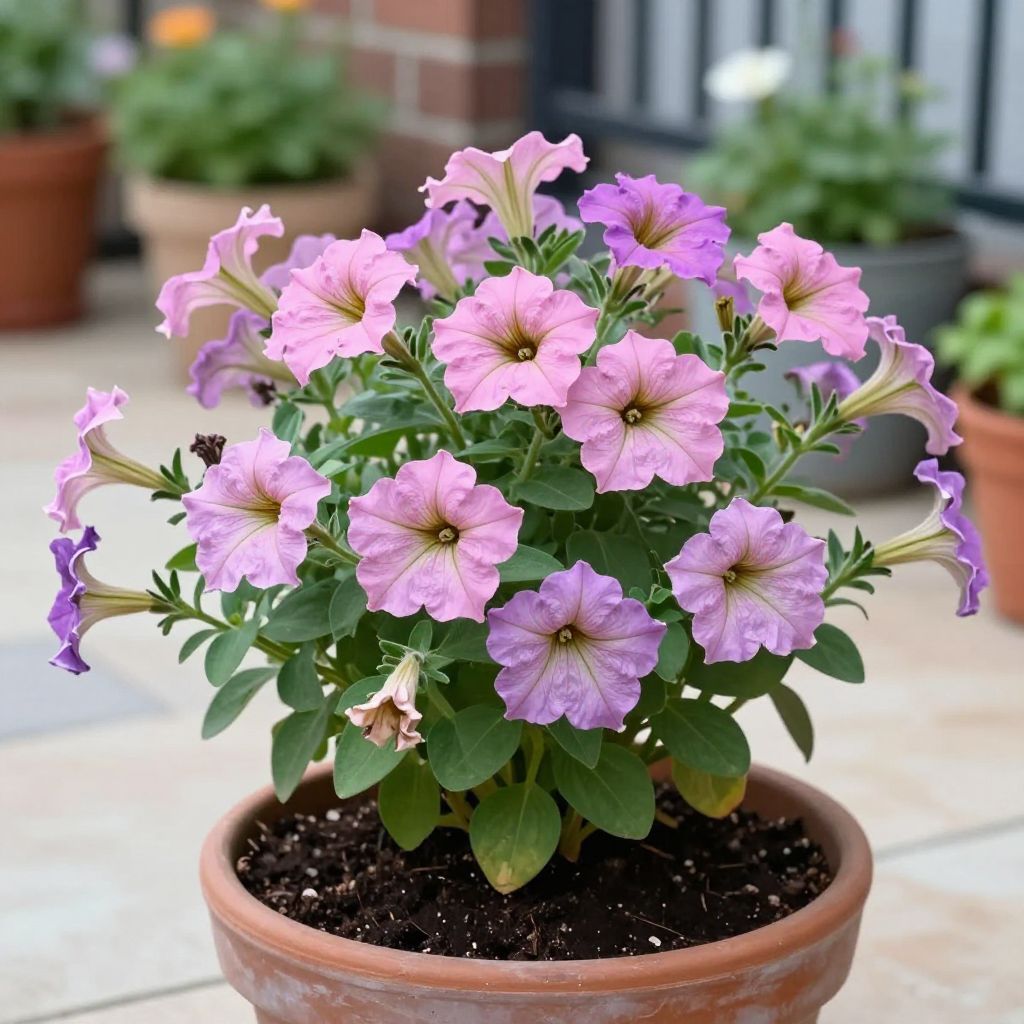
Are petunias annuals or perennials? In most gardens, petunias are grown as annuals because they cannot survive winter cold outdoors in many climates. In frost-free or mild areas, some types may act as short-lived perennials, but they are usually treated as seasonal bedding plants for the best display.
If you want long-lasting color, petunias are still one of the easiest flowers to grow. Understanding whether your petunias can return next year depends on your climate, the type you planted, and how much winter protection they get.
Are petunias annuals or perennials?
Petunias are technically tender perennials in warm climates, but most gardeners grow them as annuals because frost kills them. In USDA zones with cold winters, they usually do not return outdoors. In frost-free regions, or if overwintered indoors, some petunias can live beyond one season.
Why petunias are usually treated as annuals
Petunias are native to South America and prefer warm weather. They grow best in full sun, with moderate moisture and well-drained soil, but they are not built for freezing temperatures.
What winter cold does to petunias
Once temperatures drop near freezing, petunia foliage and stems are damaged quickly. A hard frost usually ends the plant’s outdoor life, even if the roots looked healthy just days before.
That is why many gardeners replace petunias each spring rather than expecting them to come back. In colder regions, the plant’s life cycle is effectively annual.
When petunias can behave like perennials
In climates with very mild winters, some petunias may survive and bloom again the following year. This is more likely where frost is rare or absent and the plants are protected from prolonged cold, wet conditions.
Even then, older plants may become leggy, sparse, or less floriferous. Many gardeners prefer to replant because younger petunias often bloom more heavily and look tidier.
How to tell if your petunias might come back
If you are unsure whether your petunias will survive, look at your local winter conditions first. The plant’s chances depend less on the calendar and more on temperature, frost frequency, and drainage.
- Hard frost or freezing nights: petunias outdoors are unlikely to return.
- Mild winters with little or no frost: they may survive as short-lived perennials.
- Container plants moved indoors: they can often be kept alive with careful overwintering.
- Wet, cold soil: survival drops because roots are more likely to rot.
Annual, perennial, or tender perennial?
Petunias are best described as tender perennials. That means they are perennial by nature, but not hardy enough for many outdoor gardens. In practice, most home gardeners handle them as annuals.
Best growing conditions for healthy petunias
Whether you grow them for one season or try to keep them longer, petunias perform best when their basic needs are met. Strong growth in summer makes them more likely to flower heavily and recover from stress.
Sunlight
Petunias bloom best in full sun, which usually means at least 6 hours of direct light daily. In very hot climates, a little afternoon shade can help prevent wilting, especially in containers.
Soil and drainage
Use fertile, well-drained soil. Petunias dislike soggy roots, so heavy clay soil should be improved with compost or grown in raised beds and containers with drainage holes.
A loose, crumbly soil mix helps roots spread and reduces the risk of rot. If water sits around the roots after rain, the site is too wet for reliable petunia growth.
Watering
Water petunias deeply, then let the top layer of soil dry slightly before watering again. They need steadier moisture during hot weather, but they do not like constantly wet soil.
Container petunias usually dry out faster than garden beds, so check them more often. Inconsistent watering can lead to wilting, fewer blooms, and weak growth.
Feeding
Petunias are heavy bloomers and benefit from regular nutrition, especially in containers. A balanced fertilizer used according to the label can support flowering, but too much nitrogen can produce lush leaves with fewer blooms.
If you add compost to the soil before planting, that often gives them a good start. For established plants, light, regular feeding is usually better than one strong dose.
Planting petunias for the best season-long display
Because petunias are often grown as annuals, planting them well matters. Good establishment early in the season usually leads to stronger branching and more flowers later.
- Choose a sunny site with drainage that does not stay wet after rain.
- Work compost into the soil if it is poor or compacted.
- Plant after the danger of frost has passed in your area.
- Space plants so air can move between them and reduce disease risk.
- Water after planting to settle the roots in place.
For containers, use a high-quality potting mix rather than garden soil. Potting mix stays lighter and drains better, which petunias appreciate.
How to keep petunias blooming longer
Petunias are famous for flower power, but they need a little maintenance to stay attractive. A few simple habits can extend the bloom season and keep plants from becoming straggly.
Deadheading and trimming
Remove spent flowers if the variety benefits from deadheading, and trim back leggy stems when plants start to look tired. Some modern petunias are self-cleaning, but they still appreciate a light cutback if growth becomes sparse.
Pinching or trimming the tips early in the season encourages branching. More branches usually mean more flowers and a fuller plant.
Managing heat stress
During very hot spells, petunias may slow down or stop blooming temporarily. Keep soil evenly moist, avoid letting containers bake in full afternoon sun, and remove faded growth to encourage recovery.
Can you overwinter petunias?
Yes, you can try overwintering petunias if you want to keep a favorite plant going. Success is more likely with potted plants, compact growth, and a bright indoor space. Still, not every plant will make it through winter in good shape.
Indoor overwintering steps
- Bring the plant indoors before the first hard frost.
- Inspect for pests and remove damaged growth.
- Place it in a bright window or under grow lights.
- Water lightly, allowing the top of the soil to dry a bit between waterings.
- Keep it away from cold drafts and heating vents.
Indoors, petunias often get less light than they do outside. If stems stretch and leaves pale, the plant is not receiving enough light.
What to expect from overwintered plants
An overwintered petunia may survive, but it may not look as neat as a newly planted one. In spring, prune it back and repot if needed to encourage fresh growth.
Many gardeners take cuttings or start new plants instead of keeping an old one alive. That can be a practical way to preserve a favorite color or form.
Common petunia problems and how to fix them
Petunias are generally easy to grow, but a few issues are common. Most problems are linked to weather, water, or light rather than serious disease.
Leggy growth
If your petunias get long stems with few flowers, they are usually not getting enough sun or have not been trimmed. Move containers to a brighter spot and pinch back stems to encourage branching.
Yellowing leaves
Yellow leaves can mean overwatering, poor drainage, nutrient deficiency, or root stress. Check the soil first; if it stays wet, reduce watering and improve drainage before adding fertilizer.
Few flowers
Too much shade, too much nitrogen, or heat stress can reduce bloom count. Petunias flower best with strong light and steady care, not excessive feeding.
Powdery mildew and other diseases
Good air circulation helps reduce fungal problems. Avoid crowding plants, water at the base if possible, and remove heavily affected leaves to slow spread.
Insect pests
Aphids, caterpillars, and other chewing or sap-sucking pests may occasionally appear. Check the undersides of leaves and new growth regularly, especially during warm weather.
Early action is easier than waiting for damage to build up. A strong spray of water, hand-picking, or a suitable pest control method can often keep problems manageable.
Should you replant petunias every year?
For most gardeners, yes. Replanting petunias each year is often the simplest and most reliable approach, especially in areas with frost. New plants usually bloom more vigorously and stay attractive longer than older ones.
If you live in a warm climate or enjoy overwintering plants, you can try to keep them going. Just remember that petunias are at their best when they have warmth, sun, and consistent care.
Conclusion
So, are petunias annuals or perennials? In most gardens, they are grown as annuals because frost ends their season, but in mild climates or protected conditions they can behave like tender perennials. If you want the best results, give them full sun, well-drained soil, and regular deadheading or trimming, then decide whether to replant or overwinter them based on your local climate.
For more practical flower-growing advice, you may also want to read about how to keep annual flowers blooming longer and best soil tips for container plants.