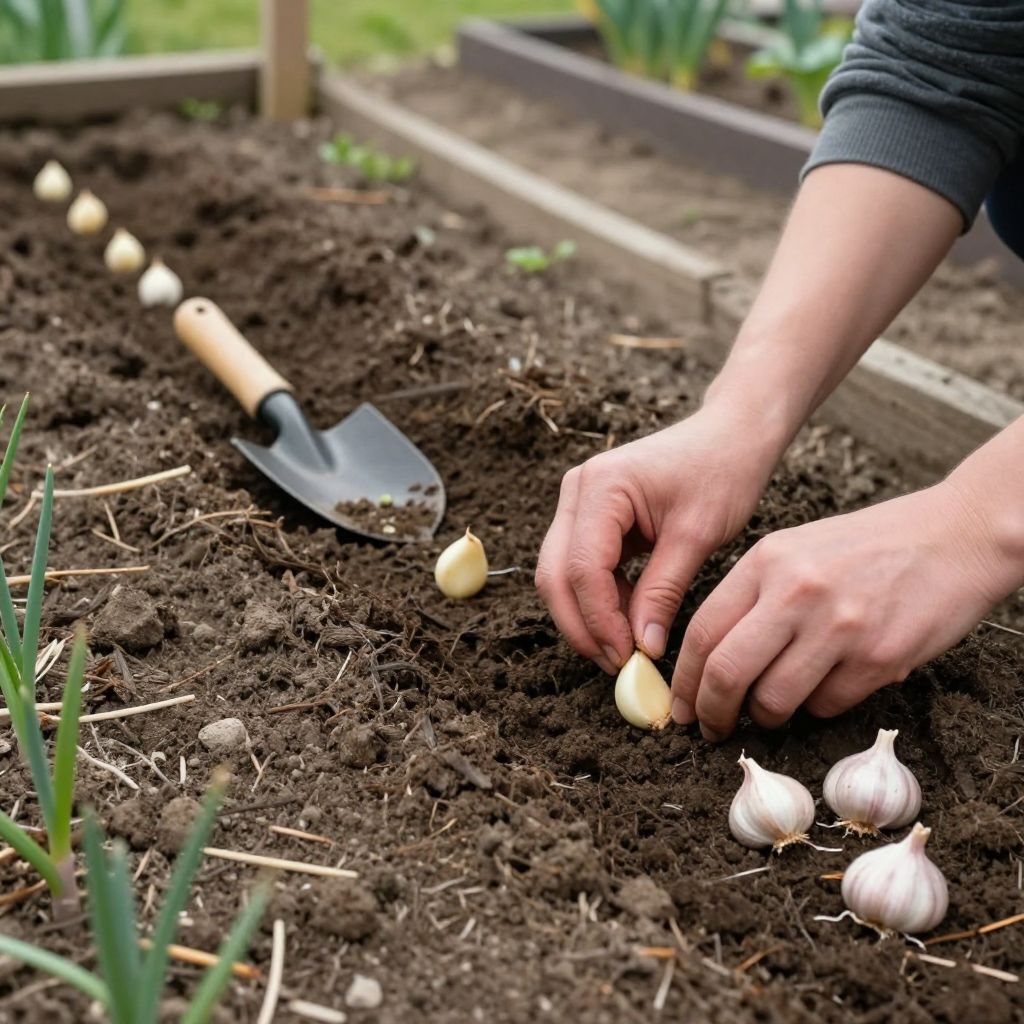
Can you plant garlic in the spring? Yes, you can—but spring-planted garlic usually behaves differently from garlic planted in autumn. It often grows smaller bulbs, matures later, and needs a little more attention to soil moisture and weed control.
If fall planting is impossible, spring planting is still worth trying. The key is to start as early as your soil can be worked, choose healthy cloves, and give the plants a long, cool growing season if your climate allows it.
Can you plant garlic in the spring?
Yes, you can plant garlic in the spring, especially in colder climates where fall planting is missed or winter conditions are too harsh. Spring-planted garlic will usually produce smaller bulbs than fall-planted garlic, but with early planting, good soil, and steady care, you can still harvest usable bulbs and sometimes tender green garlic earlier in the season.
How spring planting changes garlic growth
Garlic is a long-season crop. It normally benefits from a cold period, which helps trigger strong bulb development later on.
When you plant in spring, the plants have less time to build roots and leafy growth before summer heat arrives. That means the bulbs may not size up as fully, especially in warm regions or short-season gardens.
What to expect from spring-planted garlic
- Smaller bulbs than fall-planted garlic in many climates.
- Later harvest, often in mid to late summer depending on your region.
- More likely to produce green garlic or small bulbs if the season is short.
- Better results when planted as soon as the soil is workable.
When to plant garlic in spring
Plant garlic as early in spring as your soil can be worked, ideally while the weather is still cool. The goal is to give the cloves the longest possible growing window before hot temperatures slow bulb formation.
If your ground is still frozen, waterlogged, or too cold to dig, wait until it is workable. Planting into cold, wet soil can lead to rot. In many regions, “early spring” is much better than “late spring” for garlic.
Early planting matters
Garlic planted in early spring has a better chance to establish roots before the plant starts putting energy into leaf growth. That extra time often makes the difference between a few small cloves and a more respectable bulb.
Choosing the right garlic for spring planting
Use firm, healthy cloves from disease-free bulbs. Grocery-store garlic is not ideal because it may be treated to slow sprouting or may not be suited to your climate.
If possible, buy seed garlic from a reputable garden supplier or local grower. Locally adapted garlic often performs better because it has already proven itself in similar conditions.
Softneck vs. hardneck
- Hardneck garlic often performs well in colder areas and may be a better fit where winters are severe.
- Softneck garlic is often better adapted to milder climates and can store well after harvest.
That said, spring planting can reduce the difference between types because the growing season is already shortened. Choose the type that usually does best in your region.
How to plant garlic in spring
Garlic is simple to plant, but the details matter. Good spacing, proper depth, and well-drained soil help prevent rot and encourage strong growth.
- Break apart the bulb into individual cloves just before planting.
- Keep the papery skins on each clove.
- Select the largest, healthiest cloves for planting.
- Plant each clove with the pointed end up and the flat basal plate down.
- Set cloves about 2 inches deep in light soil, or up to 3 inches deep in looser soil or colder areas.
- Space cloves about 4 to 6 inches apart in rows 8 to 12 inches apart.
- Water lightly after planting if the soil is dry.
Do not bury garlic too deeply in heavy soil. Deep planting can slow emergence and increase the risk of rot, especially in cool, wet spring conditions.
Best soil and site conditions
Garlic grows best in loose, fertile soil that drains well. Heavy clay or soggy beds can cause poor rooting and bulb rot, particularly when spring rains linger.
Before planting, work in compost to improve soil structure. Compost helps hold moisture in sandy soils and improves drainage in heavier soils, which makes it one of the best all-purpose amendments for garlic beds.
Ideal growing conditions
- Sunlight: Full sun is best, ideally 6 to 8 hours or more daily.
- Soil: Loose, well-drained, and moderately fertile.
- pH: Slightly acidic to neutral soil is usually suitable.
- Moisture: Even moisture, but never waterlogged soil.
If your garden soil stays wet after rain, consider raised beds or mounded rows. Garlic performs much better where excess water can drain away quickly.
Watering garlic planted in spring
Spring-planted garlic needs consistent moisture while it is rooting and building leaves. At the same time, it dislikes soggy soil, so the goal is steady, moderate watering rather than frequent soaking.
Water deeply when the top inch or two of soil begins to dry out. In cool, rainy weather, you may not need to water much at all. In warmer, windy conditions, the soil can dry faster than you expect.
Common watering mistakes
- Letting the bed dry out completely for long periods.
- Overwatering in cool weather, which can encourage rot.
- Using overhead watering late in the day, which keeps foliage wet longer.
Mulching with straw, shredded leaves, or similar organic material can help conserve moisture and reduce weed growth. Keep mulch light enough that shoots can emerge easily.
Fertilizing spring garlic
Garlic is a moderate feeder. It benefits from fertile soil, but too much nitrogen can push leafy growth at the expense of bulb formation.
If your soil is already rich in compost, that may be enough for spring planting. If growth is pale or slow, a light side-dressing of compost or a balanced organic fertilizer can help, but avoid overfeeding later in the season.
When to feed
Most of the plant’s nutrient needs are during early leaf growth. Once bulbs start sizing up, excessive feeding is less helpful and may delay maturity.
If you are unsure, let the plant tell you. Healthy garlic should have sturdy green leaves and steady growth, not lush, floppy foliage.
Weed control and mulching
Garlic does not compete well with weeds, especially when spring-planted cloves are still getting established. Weeds steal water, light, and nutrients, which can reduce bulb size.
Keep the bed weeded by hand, especially early in the season. A mulch layer helps, but it should not replace occasional checking. Pull weeds while they are small so you do not disturb garlic roots.
Common pests and diseases
Spring garlic can face many of the same problems as fall-planted garlic, but wet spring conditions can make rot and fungal issues more likely. Good drainage and clean planting material are your best defenses.
Watch for these issues
- Onion maggots or other soil pests that damage roots and bulbs.
- Fungal rot in wet or compacted soil.
- Rust or leaf spotting during humid weather.
- Birds or animals pulling up newly planted cloves.
To reduce problems, rotate garlic away from other allium crops such as onions, leeks, and shallots for a few years if possible. Also remove and discard any diseased plant debris rather than composting it if you suspect infection.
Should you remove garlic scapes?
Hardneck garlic may send up a flower stalk called a scape. In spring-planted garlic, scapes may appear later or not at all if the season is short.
If scapes do form, removing them can help the plant direct more energy into bulb growth. Snip or pinch them off when they curl, leaving the leaves intact.
How to know when spring garlic is ready to harvest
Spring-planted garlic usually matures later than fall-planted garlic. Watch the leaves rather than relying on a calendar, because timing varies by climate and planting date.
A common sign of readiness is when the lower leaves begin to yellow and dry while several upper leaves remain green. If you wait too long, bulbs may split or lose quality.
Harvesting green garlic vs. mature bulbs
- Green garlic: Harvest earlier for a mild, fresh flavor when the plants are still small.
- Mature bulbs: Wait until the bulbs have sized up and the foliage shows clear maturity signs.
To harvest, loosen the soil beside the plant with a fork or trowel and lift gently. Avoid yanking by the stems, which can break the neck and damage the bulb.
Drying and storing the harvest
If you harvest mature bulbs, cure them in a dry, airy place out of direct sun. Good airflow helps the outer skins dry and improves storage life.
Once the tops and roots are dry, brush off loose soil and trim as needed. Store garlic in a cool, dry, dark place with good ventilation. Do not store bulbs in plastic bags or damp areas.
Can you grow garlic in containers in spring?
Yes, garlic can be grown in containers if the pot is deep enough and drains well. This can be a useful option if your garden soil is too wet or compacted.
Use a container with drainage holes and a loose potting mix amended with compost. Keep in mind that container garlic dries out faster than in-ground garlic, so you may need to monitor moisture more closely.
Best practices for spring garlic success
Spring garlic is more forgiving than many gardeners expect, but it rewards careful timing and simple, consistent care. Focus on the basics rather than trying to force fast growth.
- Plant as early as possible in spring.
- Use firm, disease-free cloves.
- Choose a sunny, well-drained spot.
- Keep the bed evenly moist, not soggy.
- Mulch lightly and weed regularly.
- Harvest based on leaf condition, not the calendar alone.
Conclusion
So, can you plant garlic in the spring? Absolutely. You may not get the same bulb size you would from fall planting, but with early planting, good drainage, and steady care, spring garlic can still give you a worthwhile harvest. Start as soon as your soil is workable and keep an eye on moisture, weeds, and maturity signs.
If you want to keep improving your allium bed, you may also enjoy reading about how to grow garlic and garlic planting and harvesting tips.