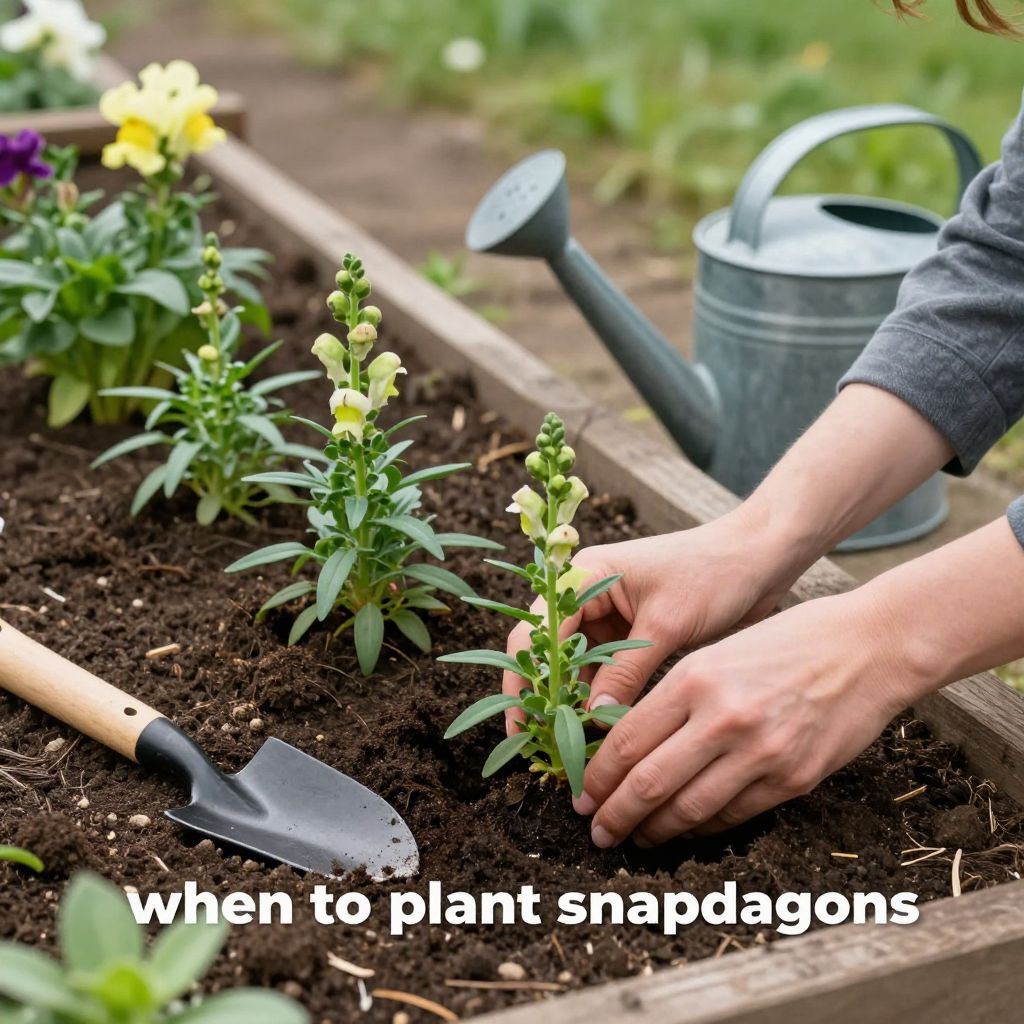
Wondering when to plant snapdragons so they actually thrive instead of sulking in the weather? Timing matters because snapdragons grow best in cool conditions, and planting too late in heat can shorten their bloom time.
The good news is that with the right timing, you can enjoy strong plants, more flowers, and a longer season of color. The best planting window depends on your climate, whether you’re starting from seed or transplants, and how hot your springs and summers usually get.
When to plant snapdragons?
Plant snapdragons in early spring as soon as the soil can be worked and hard freezes are mostly past, or in fall in mild-winter climates. In cooler regions, start seeds indoors 8 to 10 weeks before your last frost date and transplant after hardening off. Snapdragons prefer cool weather, so earlier is usually better than later.
Best planting time by season
Spring planting
Spring is the main planting season for snapdragons in most gardens. Set out transplants after the worst freeze danger has passed, but while nights are still cool.
If you sow directly outdoors, wait until the soil is workable and not waterlogged. Cool soil helps seedlings establish, but cold, saturated ground can rot seed or stunt young plants.
Fall planting
In regions with mild winters, snapdragons can be planted in fall for winter or early spring bloom. They often establish roots during cool weather and then flower strongly when temperatures rise slightly.
Fall planting works best where hard freezes are limited. If your area gets deep freezes or long periods of frozen ground, spring planting is the safer choice.
Indoor seed starting
Starting snapdragons indoors gives you a head start in short-season climates. Sow seeds 8 to 10 weeks before your average last frost date, using a seed-starting mix and bright light.
Because snapdragon seeds are tiny, surface sowing or very light covering is usually best. Keep the mix evenly moist, not soggy, until germination.
How to match planting time to your climate
There is no single calendar date that works everywhere. Your local frost dates, spring heat, and summer humidity matter more than the month on the packet.
- Cool climates: Start indoors late winter and transplant in early spring.
- Temperate climates: Plant outdoors in early spring or early fall.
- Hot climates: Focus on fall planting or very early spring planting before heat arrives.
- Mild-winter climates: Fall planting can give you the longest flowering season.
If your area heats up quickly, aim to get snapdragons established before warm weather arrives. Once temperatures stay hot, plants often slow down, become leggy, or stop blooming.
Where snapdragons grow best
Sunlight
Snapdragons bloom best in full sun, though they can tolerate light afternoon shade in hot regions. In very warm climates, a little shade during the hottest part of the day can help flowers last longer.
Soil and drainage
Well-drained soil is essential. Snapdragons dislike sitting in wet ground, especially in cool weather when roots are more vulnerable to rot.
Before planting, loosen the soil and mix in compost if needed to improve structure. Compost helps retain moisture without making the soil heavy, but avoid overly rich, soggy beds.
Spacing
Give plants room for air movement. Crowded snapdragons are more likely to develop disease, especially in humid weather.
- Small varieties: space according to tag directions, often about 6 to 8 inches apart
- Medium to tall varieties: often 9 to 12 inches apart or more
Good spacing also helps stems stay straighter and makes cutting flowers easier later on.
How to plant snapdragons step by step
- Choose a site with sun and well-drained soil.
- Work in compost if the soil is poor or compacted.
- Water nursery transplants before planting so roots are hydrated.
- Dig holes slightly wider than the root ball.
- Set plants at the same depth they were growing in their pots.
- Firm the soil gently around the roots.
- Water thoroughly after planting.
- Add a light mulch if your soil dries quickly, keeping mulch away from the stems.
For direct sowing, press the seeds onto the soil surface and cover only very lightly, if at all. Keep the seedbed evenly moist until seedlings emerge.
Watering after planting
Newly planted snapdragons need consistent moisture while they establish, but they should never sit in water. The goal is evenly moist soil, not saturated soil.
Water at the base of the plant when possible. Wet foliage can encourage disease, especially in cool, damp conditions.
Once established, snapdragons usually need less frequent watering, but they still perform best when the soil does not dry out completely for long periods. In containers, check moisture more often because pots dry faster than garden beds.
Common mistakes to avoid
- Planting too late in hot weather: heat can shorten flowering and stress young plants.
- Overwatering: soggy soil can lead to root rot and weak growth.
- Using heavy, poorly drained soil: snapdragons need air around their roots.
- Skipping hardening off: indoor-grown seedlings can scorch or wilt if moved outside too quickly.
- Overcrowding: tight spacing encourages disease and poor airflow.
Hardening off means gradually acclimating plants to outdoor light, wind, and temperature over 7 to 10 days. This step is especially important for seedlings started indoors.
How to keep snapdragons blooming longer
Deadheading and cutting
Removing faded flower spikes encourages more blooms. If you want a tidy bed or longer flowering period, cut spent stems back to a healthy side shoot or leaf node.
Snapdragons also make good cut flowers. Harvest stems when a good portion of the florets on the spike are open for the longest vase life.
Feeding
Snapdragons usually do best with moderate fertility. Too much nitrogen can produce lush leaves but fewer flowers.
If your soil is already rich, you may not need much more than compost. In poorer soils, a light, balanced feeding can help, but avoid overdoing it.
Pests and diseases to watch for
Healthy timing helps reduce problems, because snapdragons stressed by heat or poor drainage are more vulnerable.
Common pests
- Aphids: cluster on tender growth and flower spikes; rinse off with water or use insecticidal soap if needed.
- Spider mites: more common in hot, dry weather; leaves may look stippled or dusty.
- Caterpillars and chewing insects: may damage buds or foliage; hand-pick when practical.
Common diseases
- Powdery mildew: often appears in crowded plantings or when air circulation is poor.
- Root rot: usually tied to wet soil or poor drainage.
- Rust or leaf spots: can show up in humid conditions, especially on stressed plants.
To reduce disease, water early in the day, keep leaves as dry as possible, and remove badly affected plant material. If a plant repeatedly declines in the same spot, improve drainage or move future plantings elsewhere.
Growing snapdragons in containers
Containers are a good option if your garden soil is heavy or if you want to place snapdragons where they get the right amount of sun. Use a pot with drainage holes and a quality potting mix.
Container-grown snapdragons dry out faster than in-ground plants, so check moisture regularly. In hot weather, pots may need water more often, and light afternoon shade can help extend bloom time.
Can you plant snapdragons from seed or transplants?
Both work well, but the best choice depends on your season and patience. Transplants are easier for beginners and give you faster color. Seeds are economical and let you grow more plants, but they need a longer lead time.
- Choose transplants if you want quicker results or have a short cool season.
- Choose seeds if you can start them indoors early and want more variety.
When buying transplants, look for stocky plants with healthy green leaves, not tall, floppy stems. Avoid plants that are rootbound, yellowing, or already stressed in the tray.
Quick planting checklist
- Plant in cool weather, not summer heat.
- Use full sun or light afternoon shade in hot climates.
- Choose well-drained soil.
- Water consistently, but do not overwater.
- Space plants for airflow.
- Deadhead spent blooms to extend flowering.
Conclusion
If you want the best results from snapdragons, plant them while the weather is cool and the soil drains well. Check your local last frost date, start seeds indoors if needed, and get transplants into the ground before heat arrives. That timing gives you stronger plants and a longer display of flowers.
For more seasonal flower guidance, you may also want to read about growing snapdragons and other cool-season annuals that pair well with them in the garden.