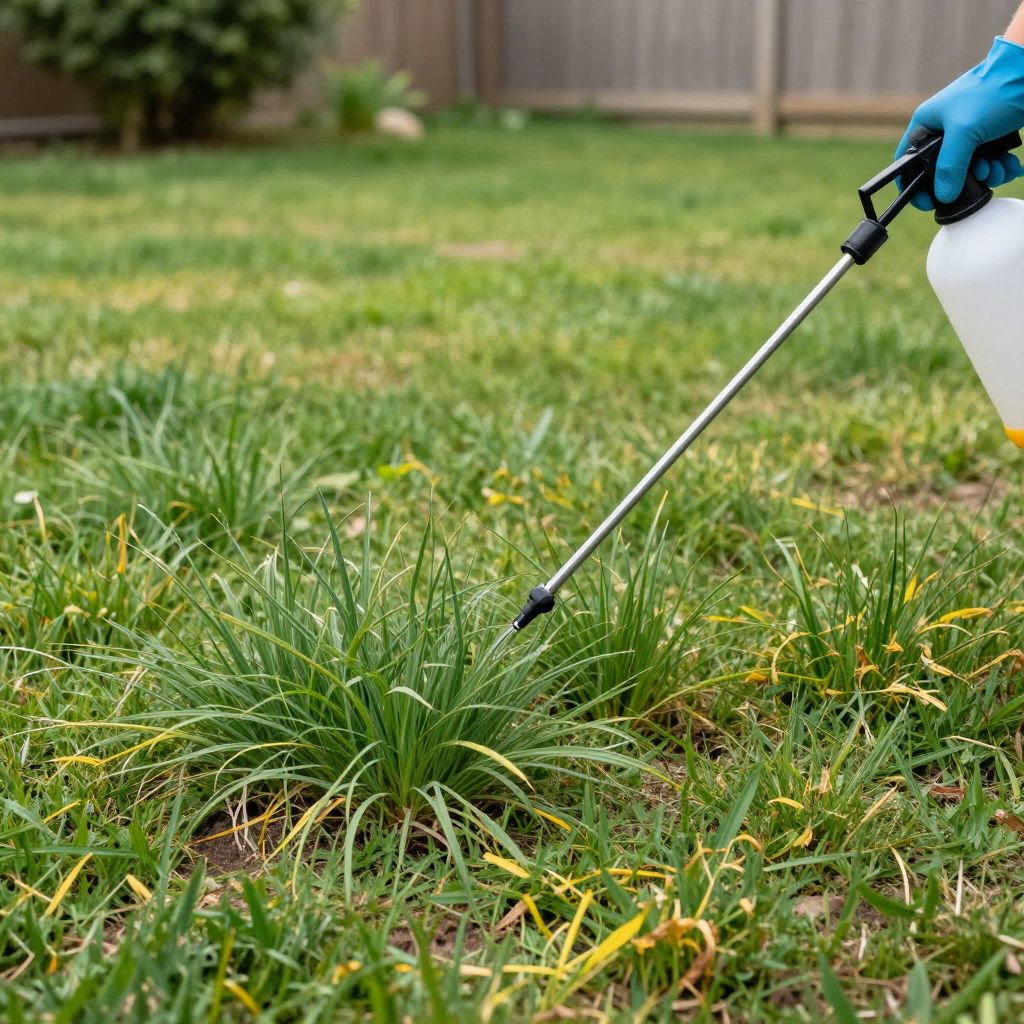
Crabgrass can take over a lawn fast, and once it shows up, it feels hard to get rid of for good. If you’re wondering what kills crabgrass permanently, the honest answer is that no single spray or quick fix does it by itself.
Permanent control comes from removing existing plants and changing the conditions that let crabgrass germinate again. That means a mix of timing, prevention, lawn care, and sometimes spot treatment—not just one product.
What kills crabgrass permanently?
Nothing kills crabgrass permanently on its own unless you also stop new seeds from sprouting. The most effective long-term approach is to remove existing crabgrass, use a pre-emergent herbicide before germination, and build a thick, healthy lawn that shades out seedlings. In bare areas, reseed or mulch quickly to block regrowth.
Why crabgrass keeps coming back
Crabgrass is an annual warm-season weed, which means it dies with frost but returns from seeds left in the soil. Those seeds can stay viable for years, so even if you kill the visible plants, new ones can still emerge later.
It thrives in thin turf, compacted soil, hot spots, and areas that get frequent disturbance. Lawns with bare patches, poor mowing habits, or weak root systems are especially vulnerable.
Common conditions that favor crabgrass
- Thin or patchy lawn cover
- Compacted soil with poor drainage
- Full sun and heat
- Overwatering or shallow watering
- Mowing too short
- Open soil after construction, digging, or winter damage
Best ways to kill crabgrass already growing
If crabgrass is already visible, you can kill the plants you see, but you still need prevention for long-term control. The best method depends on how much crabgrass you have and whether it is in a lawn, garden bed, or driveway edge.
1. Hand-pull small patches
For a few scattered plants, hand-pulling is effective if you remove the roots and do it before the plants set seed. Pull after rain or watering when the soil is softer.
- Grip the plant low at the base.
- Pull steadily to remove the crown and roots.
- Bag seed heads if they are present.
- Fill the bare spot with seed, compost, or mulch as appropriate.
2. Spot-treat with a post-emergent herbicide
For larger infestations in lawns, a selective post-emergent herbicide labeled for crabgrass can help. Read the label carefully and use only products approved for your turf type, because some grasses are sensitive to certain herbicides.
Important: post-emergent herbicides work best on young crabgrass. Large, mature plants are harder to control and may need repeat treatment according to the label.
3. Use nonselective control in non-lawn areas
In cracks, gravel, and bare ground where you do not want any vegetation, a nonselective herbicide can kill crabgrass and other plants. Use it carefully to avoid drift onto desirable plants, and remember that it does not prevent future seedlings from emerging.
How to prevent crabgrass from returning
Prevention is the real answer to what kills crabgrass permanently. Since the weed comes back from seed, your goal is to stop germination and make the lawn too dense for seedlings to establish.
Use a pre-emergent at the right time
A pre-emergent herbicide creates a barrier in the soil that stops crabgrass seeds from sprouting. Timing matters more than almost anything else.
- Apply before soil temperatures reach the germination range for crabgrass in your area.
- In many climates, this is early spring, but local weather matters more than the calendar.
- A second application may be needed in some regions if the product label allows it.
Do not apply pre-emergent if you plan to seed soon. It can also stop desirable grass seed from germinating, so choose between weed prevention and new seeding based on your lawn’s needs.
Thicken the lawn so crabgrass has less room
A dense lawn is one of the best long-term defenses. Crabgrass seedlings need light and open soil, so turf that fills in well naturally reduces weed pressure.
- Mow at the proper height for your grass type.
- Water deeply but less often to encourage deeper roots.
- Aerate compacted soil when appropriate for your lawn.
- Overseed thin areas when the season is right for your grass.
- Topdress with a thin layer of compost where the soil is poor.
Fix bare spots quickly
Bare soil is an invitation for crabgrass. If you remove weeds or have winter damage, cover the area right away with seed, mulch, or another suitable ground cover.
In lawn areas, reseed according to your turf type and local climate. In beds, use mulch 2 to 3 inches deep around established plants, keeping it away from stems and trunks.
Practical lawn care that helps control crabgrass
Good cultural care does not kill crabgrass directly, but it makes prevention much more successful. These habits reduce stress on turf and limit the open spaces crabgrass loves.
Mow correctly
Cutting grass too short weakens the lawn and lets more sunlight reach crabgrass seeds. Keep mower blades sharp and avoid removing more than one-third of the grass height at a time.
- Mow at the recommended height for your turf species.
- Leave clippings on the lawn if they are light and evenly distributed.
- Do not scalp the lawn in hot weather.
Water deeply, not constantly
Frequent shallow watering encourages shallow roots in turf and can favor crabgrass. Most lawns do better with deep, less frequent watering adjusted for rainfall, soil type, and temperature.
If you are unsure, check the soil before watering. The goal is to keep turf healthy without keeping the surface constantly moist.
Reduce compaction
Compacted soil makes it harder for desirable grass roots to grow and easier for crabgrass to invade. Aeration can help in lawns with heavy foot traffic or dense clay soil.
- Core aeration is often more effective than simple spiking.
- Do it when your grass is actively growing and can recover.
- Follow with overseeding or topdressing if appropriate.
What not to do if you want permanent control
Some common mistakes make crabgrass control much harder. Avoiding them saves time and helps your lawn recover faster.
- Do not wait until crabgrass is large. Young plants are much easier to control.
- Do not rely on one treatment. Seed in the soil can still germinate later.
- Do not seed and apply pre-emergent at the same time. The barrier can block your grass seed too.
- Do not mow too low. Short turf invites weed invasion.
- Do not ignore bare spots. Open soil is where crabgrass starts.
Seasonal strategy for lasting crabgrass control
Crabgrass management works best when you think in seasons rather than one-time fixes. The same lawn may need different actions in spring, summer, and fall.
Early spring
Apply pre-emergent before crabgrass seeds germinate in your region. Repair winter damage, sharpen mower blades, and plan any overseeding carefully so you do not interfere with weed prevention.
Late spring and summer
Watch for seedlings and spot-treat early. Keep mowing at the right height and water deeply enough to support turf without creating constant surface moisture.
Fall
Fall is often a good time to thicken turf, improve soil, and repair thin areas in cool-season lawns. A stronger lawn going into winter usually means fewer crabgrass problems next year.
How to handle crabgrass in garden beds and paths
Crabgrass also shows up in mulch beds, vegetable edges, and gravel paths. The control approach is similar, but prevention is often easier than repeated spraying.
In mulch beds
- Pull small plants before they seed.
- Refresh mulch to keep light from reaching the soil surface.
- Keep mulch 2 to 3 inches deep, but not piled against stems.
In gravel or cracks
- Remove plants while young.
- Use a nonselective control only where appropriate.
- Fill or cover exposed soil so new seeds have fewer places to settle.
When to expect results
Crabgrass control is usually a process, not a single event. You may see visible plants die within days to weeks after treatment, but the real test is whether fewer seedlings appear the next season.
If you still see crabgrass after treatment, it may mean the plants were too mature, the timing was off, or new seeds germinated later. In that case, combine spot treatment with better lawn density and a correctly timed pre-emergent next season.
Bottom line
What kills crabgrass permanently is a prevention-first strategy: remove existing plants, stop new seeds from sprouting, and grow a thicker lawn that crowds weeds out. If you focus on timing, soil health, mowing, and bare-spot repair, crabgrass becomes much easier to manage year after year.
For related lawn care help, you may also want to read about how lawn aeration improves turf health and how to overseed thin lawns effectively.