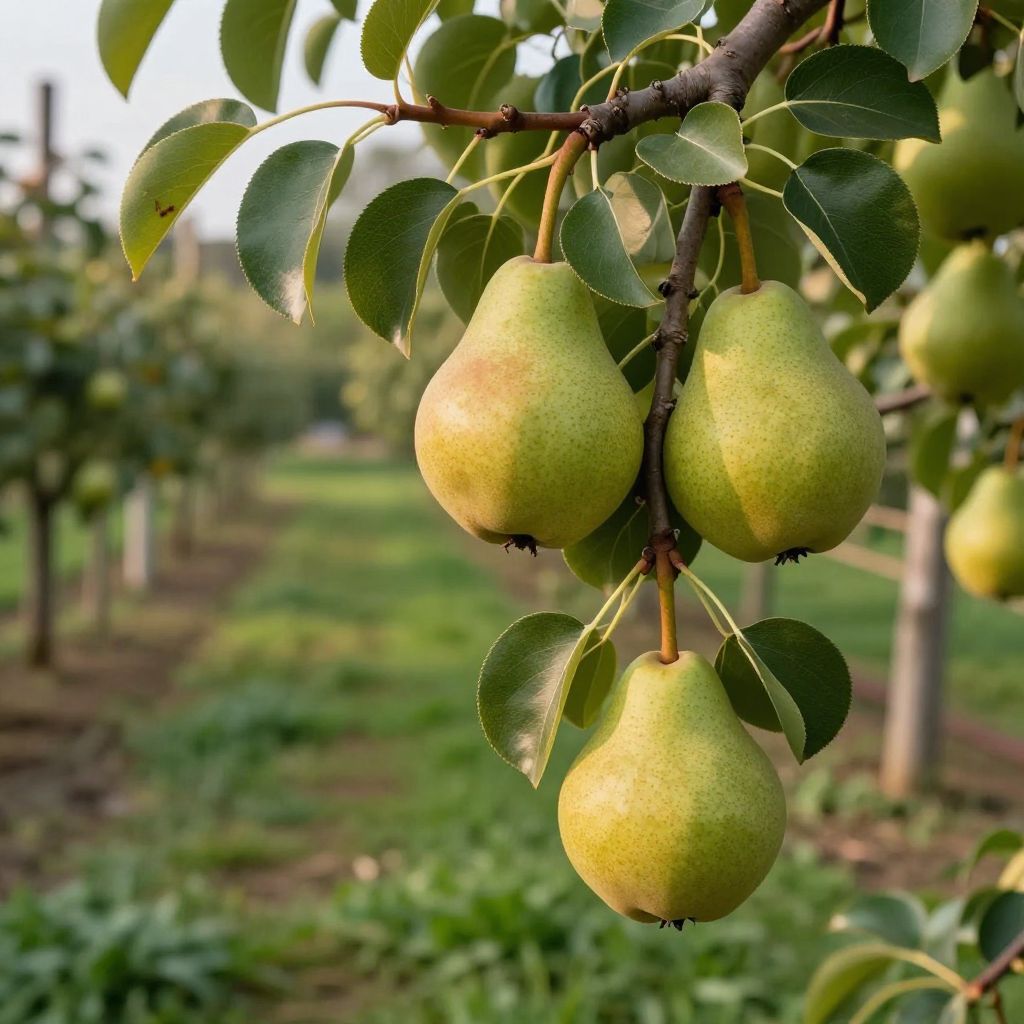
Are pears in season? If you’re wondering when to harvest or buy pears, the answer depends on the variety and your local climate. Most pears are picked in late summer through fall, but many are not fully ripe on the tree and need a short ripening period after harvest.
For gardeners, understanding pear season is about more than timing fruit. It also helps you know when trees are flowering, when to prune, and how to care for pears so they set a good crop year after year.
Are pears in season?
Pears are usually in season from late summer into fall, though exact timing varies by variety and region. Most European pears are harvested when mature but still firm, then ripened indoors. Asian pears are often picked and eaten tree-ripe, while ornamental and fruiting pear trees also follow the same seasonal growth cycle.
When pears are harvested and ripened
Harvest season is not always the same as eating season. Many pear varieties are picked before they soften, because fully tree-ripened pears can become grainy or drop too early.
General seasonal pattern
- Spring: Flowering and pollination
- Summer: Fruit sizing and tree growth
- Late summer to fall: Harvest for many varieties
- After harvest: Ripening indoors for some pears
If you are checking pears in your garden, look for a change in fruit color, a slight softening near the stem, and the way the fruit lifts from the branch. A pear that comes away with an easy upward twist is often ready to pick.
European pears vs. Asian pears
European pears such as Pyrus communis are commonly harvested firm and ripened off the tree. Asian pears, often called apple pears, are usually crisper and are generally eaten when fully mature on the tree.
- European pears: pick mature, then ripen indoors
- Asian pears: often left on the tree until ready to eat
- Ornamental pears: grown mainly for flowers and form, not fruit quality
How to know when pears are ready to pick
The best harvest timing is based on maturity, not softness alone. Pears that are left too long can become mushy, while fruit picked too early may never develop full flavor.
Signs a pear is ready
- Lift the fruit gently and twist upward.
- If it separates easily, it may be ready for harvest.
- Check that the background skin color has shifted slightly from deep green to a lighter tone.
- Look for seeds that have turned brown in a cut test, if you are unsure.
- For European pears, allow them to ripen at room temperature after picking.
Do not wait for European pears to feel soft on the tree. By that point, they may already be overripe or damaged by birds, insects, or wind.
Growing pears successfully in the home garden
Pear trees can be reliable fruit producers when they are planted in the right place and managed with steady care. Good sun, airflow, drainage, and pruning make a bigger difference than heavy feeding.
Sunlight and site selection
Pears grow best in full sun, with at least 6 to 8 hours of direct light daily. More sun usually means better flowering, stronger fruiting, and lower disease pressure.
Choose a site with room for the mature tree size. Pears need air movement to dry foliage after rain, but they should also be sheltered from strong winds that can break branches or knock off fruit.
Soil and drainage
Pear trees prefer well-drained soil that holds moisture without staying soggy. Heavy clay can work if drainage is improved, but persistently wet ground can lead to root problems and weak growth.
- Work in compost to improve soil structure before planting.
- Avoid low spots where water collects after rain.
- If drainage is poor, consider planting on a slight mound or raised bed.
Soil pH is best kept in a slightly acidic to neutral range for most garden pears, but local soil conditions matter more than chasing a perfect number. A soil test is the safest way to guide amendments.
Watering young and established trees
Newly planted pears need regular moisture while roots establish. Water deeply, then let the top layer of soil begin to dry before watering again, adjusting for rainfall and soil type.
Established trees are more drought-tolerant, but fruit quality usually improves with consistent moisture during flowering, fruit set, and summer growth. Irregular watering can contribute to small fruit, drop, or stress-related issues.
Mulching and feeding
A 2- to 4-inch layer of organic mulch helps conserve moisture, moderate soil temperature, and reduce weeds. Keep mulch a few inches away from the trunk to prevent rot and rodent damage.
Compost can be a useful soil builder, especially in poor ground, but avoid overfeeding with nitrogen. Too much nitrogen can produce leafy growth at the expense of flowers and fruit.
Pruning pears for better fruiting
Pruning is one of the most important jobs for pear trees. It helps light reach the canopy, supports strong branch structure, and reduces disease by improving airflow.
When to prune
Many gardeners prune pears during the dormant season, when the tree is leafless and structure is easier to see. Light summer pruning may also be used to remove vigorous shoots or improve airflow, depending on the tree’s condition and local climate.
Basic pruning goals
- Remove dead, damaged, or crossing branches
- Open the center enough for sunlight and air
- Keep the tree manageable for harvest
- Encourage fruiting wood rather than excessive upright growth
Use clean, sharp pruners and saws. Make cuts just outside the branch collar, and avoid leaving stubs that can slow healing.
Pollination and fruit set
Many pear trees produce better with a compatible pollinator nearby. Some varieties are self-fertile, but even those often set more fruit when another pear blooms at the same time.
If your tree flowers but sets little fruit, pollination may be the issue. Cold, wet weather during bloom can reduce bee activity, and a lack of compatible pollen can also limit crop size.
What helps pollination
- Plant a second compatible pear variety nearby if needed
- Avoid insecticides during bloom
- Encourage pollinators with nearby flowering plants
- Protect blossoms from late frost when possible
Common pear pests and diseases
Pear trees can face several common problems, especially in humid or rainy conditions. Early monitoring is the best way to prevent serious damage.
Pests to watch for
- Aphids: cause curled leaves and sticky honeydew
- Pear psylla: can weaken trees and leave messy residue
- Coddling moth and other fruit insects: may damage developing fruit
- Birds and wasps: often target ripe fruit
Common diseases
- Fire blight: a serious bacterial disease that can blacken shoots and blossoms
- Scab: causes spotting on leaves and fruit
- Powdery mildew: creates a white coating on new growth
Good sanitation helps a lot. Remove fallen fruit, prune out diseased wood, and avoid overhead watering late in the day. If you suspect fire blight, cut out affected shoots promptly and disinfect tools between cuts.
Harvesting and storing pears
Pears reward careful picking. Handle them gently, because bruising shortens storage life and can affect ripening.
How to harvest
- Test a few fruits before harvesting the whole tree.
- Lift and twist each pear gently.
- Place fruit in shallow containers, not deep buckets.
- Keep pears out of direct sun after picking.
Ripening and storage
European pears usually ripen best at room temperature. Once they begin to soften near the stem, move them to cooler storage if you want to slow ripening.
Asian pears are often ready to eat soon after harvest and may store well for a limited time in cool conditions, depending on variety and maturity. Check them regularly so they do not become mealy or overripe.
Do not store damaged pears with sound fruit. One bruised or rotting pear can speed spoilage in the rest of the harvest.
Growing pears in different garden settings
Whether you have a backyard orchard or a single patio tree, the same basics apply: enough sun, good drainage, and sensible pruning. The difference is how much room you have to manage the tree.
In-ground trees
In the landscape, pears can become large trees if not pruned regularly. Give them enough spacing from buildings, fences, and other trees so the canopy can develop without crowding.
Container-grown pears
Some compact or dwarf pears can be grown in large containers, but they need more frequent watering and feeding than in-ground trees. Use a roomy container with drainage holes and refresh the potting mix as the tree grows.
Container trees are more exposed to drying out, so monitor moisture closely during warm weather. They also benefit from annual root and canopy checks to keep growth balanced.
Common mistakes to avoid
- Waiting too long to harvest European pears
- Planting in poorly drained soil
- Overfertilizing with nitrogen
- Skipping pruning for several years
- Ignoring pollination needs
- Letting fallen fruit and diseased leaves remain under the tree
Conclusion
So, are pears in season? Yes, but the season depends on the variety, your climate, and whether you are talking about harvest time or eating ripeness. If you grow pears, focus on sun, drainage, pruning, and careful harvest timing to get the best fruit.
Next, take a few minutes to check your tree’s fruit maturity and prune out any crowded or damaged growth. If you want to improve your orchard care, look for related guidance on pruning fruit trees and growing pears in the home garden.