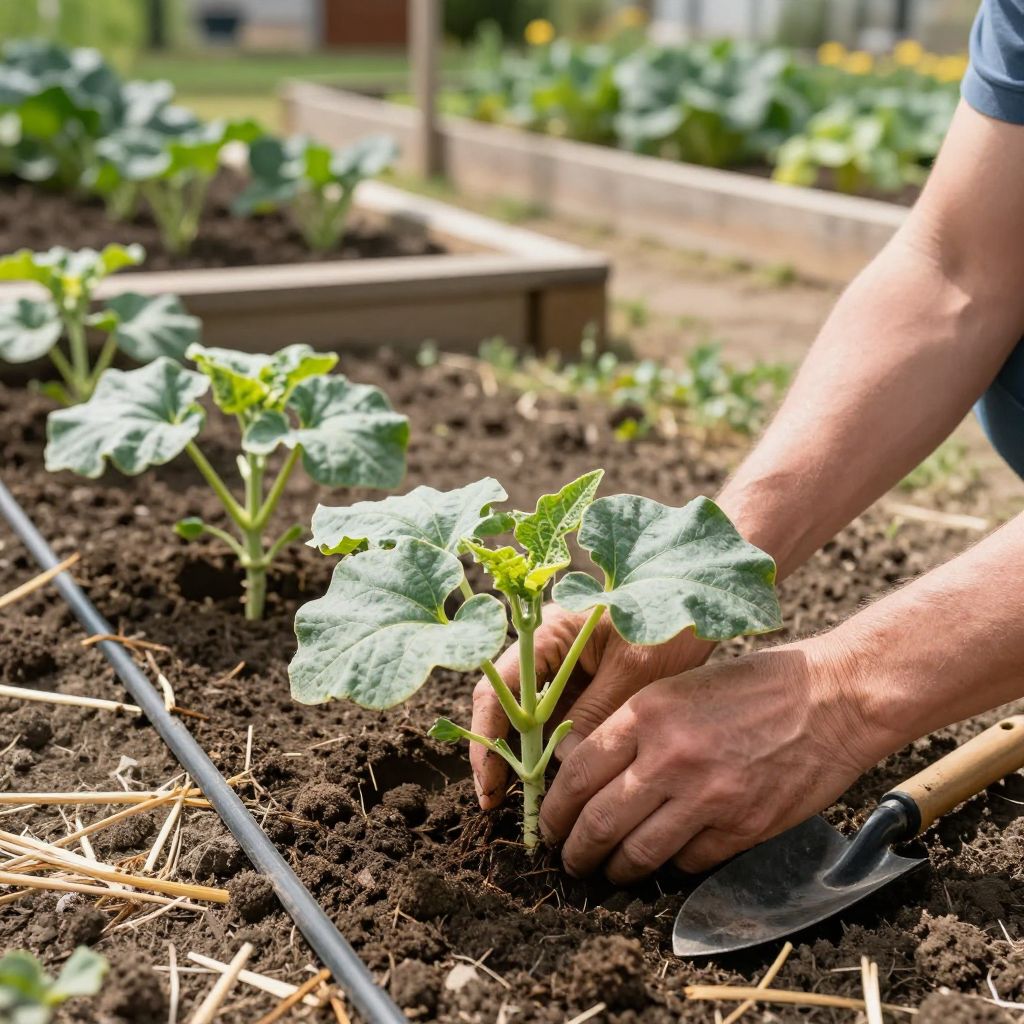
If you’re wondering when to plant cantaloupe, the short answer is after the danger of frost has passed and the soil has warmed up. Cantaloupe seeds and transplants grow best in warm conditions, so planting too early usually leads to slow growth, poor germination, and weak vines.
The best planting time depends on your climate, but a soil temperature of at least 70°F is a good target. In cooler regions, start seeds indoors or wait until late spring; in warm climates, you may be able to direct sow once nights stay mild and the soil is consistently warm.
When to plant cantaloupe?
Plant cantaloupe when frost is no longer a threat and the soil is warm enough for fast germination, usually around 70–85°F. In most gardens, that means late spring to early summer. If you plant too early, seeds rot or stall, and young plants struggle in cool weather.
How to tell if your garden is ready
Calendar dates are only a starting point. Your local weather, soil temperature, and last frost date matter more than the month on the calendar.
Check these conditions first
- Last frost has passed: Cantaloupe is very frost-sensitive.
- Soil is warm: Aim for at least 70°F at planting depth.
- Nights are mild: Consistently cool nights slow growth.
- Sun is strong: Choose a site with full sun, ideally 6 to 8+ hours daily.
- Soil drains well: Wet, cold soil can cause seed and root problems.
If you’re unsure about soil temperature, use a simple soil thermometer. It’s one of the most useful tools for warm-season crops like cantaloupe.
Direct sowing vs. transplanting
You can grow cantaloupe from seed planted directly in the garden or from transplants started indoors. The right method depends on how long your growing season is and how quickly your soil warms in spring.
Direct sowing outdoors
Direct sowing works well in warm climates and in gardens where spring arrives early. Wait until the soil is reliably warm, then sow seeds about 1 inch deep.
Plant 2 to 3 seeds per hill or planting spot, then thin to the strongest seedling once they emerge. Space hills or plants far enough apart for vines to spread.
Starting seeds indoors
If your season is short, start seeds indoors about 3 to 4 weeks before your expected transplant date. Use biodegradable pots or containers that reduce root disturbance, because melons dislike having their roots disturbed.
Harden off seedlings gradually for 7 to 10 days before planting them outside. Move them outdoors for increasing periods of time so they adjust to sun, wind, and cooler nights.
Best soil and planting site for cantaloupe
Cantaloupe grows best in loose, fertile, well-drained soil. Heavy clay or soggy ground can slow growth and increase disease risk, especially early in the season.
Soil preparation tips
- Work in compost before planting to improve soil structure and fertility.
- Avoid fresh manure right before planting, which can be too strong for young plants.
- Make sure water drains away quickly after rain.
- Use raised beds if your soil stays wet or compacted.
A slightly raised planting mound or bed can help warm the soil faster and improve drainage. This is especially useful in cooler climates or in gardens with heavy soil.
How to plant cantaloupe step by step
Whether you sow seeds directly or transplant seedlings, the basic goal is the same: give the plants warmth, room, and steady moisture while they establish.
- Choose a full-sun location with good drainage.
- Prepare the soil with compost and remove weeds.
- Wait until frost danger has passed and the soil is warm.
- Plant seeds about 1 inch deep, or set transplants at the same depth they were growing in their pots.
- Water gently after planting to settle the soil.
- Mulch lightly once the soil has warmed, if needed, to help hold moisture and suppress weeds.
Be careful not to bury seedlings too deeply. Cantaloupe stems can rot if planted too low in wet soil.
Spacing, sunlight, and support
Cantaloupe vines need space. Crowding reduces airflow, increases disease pressure, and makes it harder for fruit to develop properly.
General spacing guidance
- Allow several feet between plants, depending on variety and growing method.
- Leave room for vines to spread if growing on the ground.
- If trellising, use a sturdy support and secure developing fruit with slings if needed.
Full sun is essential. If plants get too much shade, they may produce more vine than fruit and ripen more slowly.
Watering cantaloupe after planting
Newly planted cantaloupe needs consistent moisture, but not soggy soil. The goal is even watering while roots establish, then slightly drier conditions once fruit begins to ripen.
Watering tips that help
- Water deeply rather than giving frequent shallow sprinkles.
- Keep water at the soil level when possible to reduce leaf disease.
- Mulch after the soil warms to slow evaporation.
- Reduce excess watering as fruit matures to help improve flavor and avoid splitting.
Irregular watering can cause stress, poor fruit set, or cracked fruit. If your garden dries quickly, check the soil often during hot weather.
Feeding cantaloupe without overdoing it
Cantaloupe benefits from fertile soil, but too much nitrogen can lead to lush vines and fewer fruits. Compost before planting is often enough for many home gardens.
If your soil is poor, use a balanced approach based on a soil test rather than guessing. Overfertilizing can make plants overly leafy and delay flowering.
Common problems when planting cantaloupe too early
Planting before conditions are warm enough is one of the most common mistakes gardeners make. Cantaloupe is a heat-loving crop, and cold stress shows up quickly.
What can go wrong
- Slow germination: Seeds may sit in the soil and rot.
- Weak seedlings: Cool weather can stunt young plants.
- Poor root growth: Cold, wet soil limits establishment.
- More disease: Damp conditions increase the risk of rot and mildew.
If your plants are struggling after an early planting, protect them with row cover or a cloche only if daytime temperatures are not too hot. Remove coverings when flowers appear so pollinators can reach the plants.
Pests and diseases to watch for
Cantaloupe can attract common garden pests and diseases, especially when vines are crowded or watering is inconsistent.
Watch for these issues
- Aphids: Cluster on tender growth and can weaken plants.
- Cucumber beetles: May chew leaves and spread disease.
- Powdery mildew: A common fungal problem in warm, humid weather.
- Root rot: More likely in wet, poorly drained soil.
Good spacing, clean garden practices, and watering at the soil line help reduce many problems. Remove heavily diseased leaves if needed, but avoid stripping the plant too aggressively.
Pollination and fruit set
Cantaloupe needs pollination to form fruit. If flowers are blooming but fruit is not developing, pollination may be the issue rather than planting time.
Encourage bees by avoiding insecticides during bloom and by planting flowers nearby. In small gardens, you can hand-pollinate by transferring pollen from male flowers to female flowers with a small brush or cotton swab.
When to harvest cantaloupe
Harvest timing matters just as much as planting time. Cantaloupe picked too early may be bland, while overripe fruit can soften too much on the vine.
Signs cantaloupe is ready
- The fruit develops a strong, sweet aroma.
- The rind changes from greenish to a more tan or yellow tone, depending on type.
- The stem begins to slip or separate easily in some varieties.
- The netting or rind texture looks fully developed.
Check your variety’s ripening habits if possible, since maturity cues can vary. Taste and fragrance are often the best home-garden indicators.
Best planting time by climate
Because local conditions vary so much, use your climate as the final guide. The same calendar date can be too early in one garden and too late in another.
Cooler climates
Start seeds indoors and transplant after the soil warms. In short seasons, choose the warmest, sunniest site you have and consider raised beds or black plastic mulch to speed soil warming.
Warm climates
You can often direct sow once spring soil temperatures are consistently warm. In very hot regions, planting earlier in the warm season can help plants establish before extreme heat arrives.
Frost-prone areas
Wait until night temperatures are reliably mild. Even a brief cold snap can set back young cantaloupe plants badly.
Quick mistakes to avoid
- Planting before the soil is warm enough.
- Using heavy, poorly drained soil without amendment.
- Overwatering young plants.
- Giving vines too little space.
- Applying too much nitrogen fertilizer.
- Forgetting that cantaloupe needs pollinators to set fruit.
Conclusion
The best time to plant cantaloupe is after frost danger has passed and the soil has warmed to at least 70°F. If you match planting time to your local climate, give the vines full sun, and keep the soil well drained, you’ll give your plants a strong start. Before planting, check your soil temperature and last frost date, then choose the method that fits your season best.
For more warm-season vegetable planning, you may also want to read about how to grow watermelon and when to plant cucumbers.