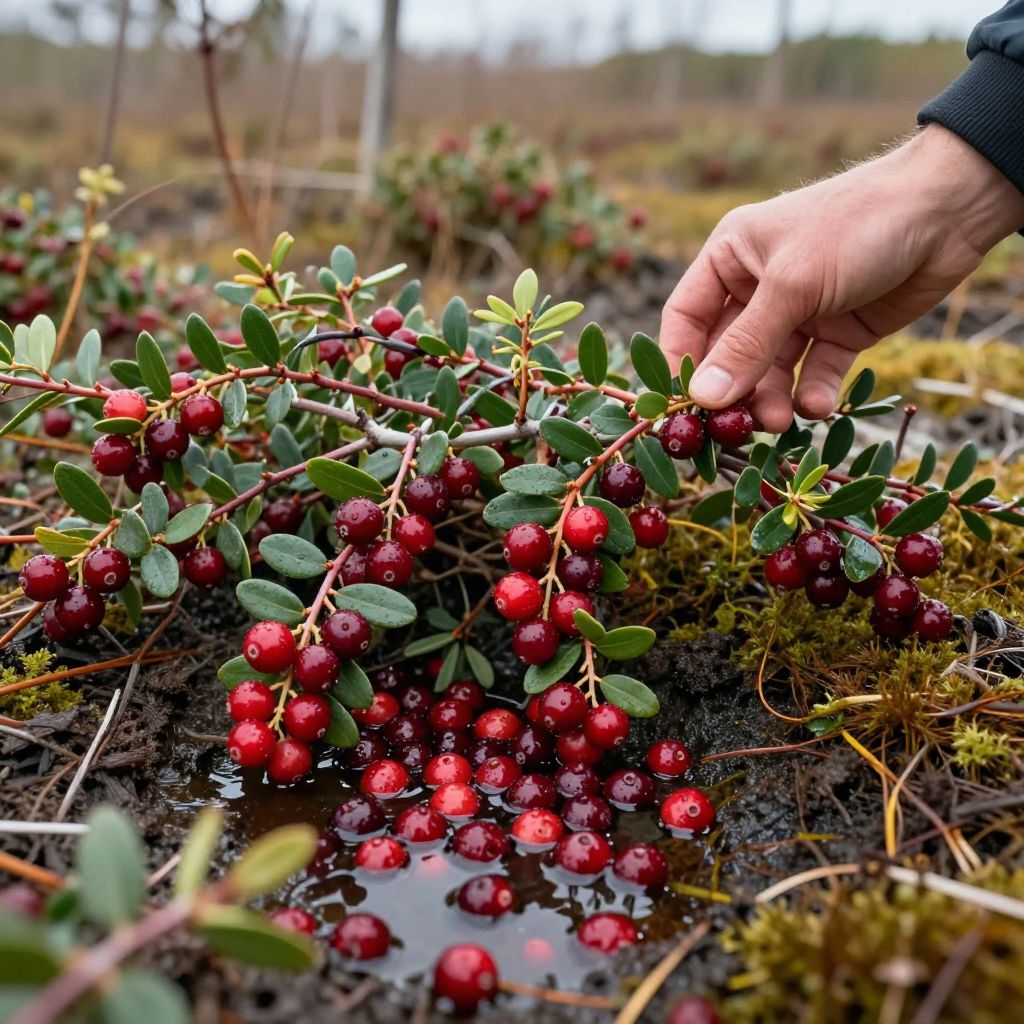
When are cranberries in season? If you grow cranberries at home, the answer depends on your climate, variety, and whether you want fresh harvests or berries for storage. In most home gardens, cranberries ripen in late summer through fall, but the exact timing can shift by several weeks.
Knowing the season helps you plan planting, watering, pollination, and harvest at the right time. Cranberries are not difficult to grow in the right conditions, but they do have specific needs that affect fruiting and harvest quality.
When are cranberries in season?
Cranberries are typically in season from September through November in many temperate growing regions, with harvest often peaking in October. In the garden, berries usually color up in late summer and are ready when they are firm, fully red, and detach easily from the vine.
Understanding cranberry season in the garden
Cranberries are perennial evergreen vines, usually Vaccinium macrocarpon, that fruit on low-growing runners. The season you notice most is the harvest window, but the plant’s growth cycle starts much earlier in spring and summer.
Typical seasonal pattern
- Spring: New shoots and flower buds develop as growth resumes.
- Early summer: Flowers open, pollination occurs, and fruit begins forming.
- Late summer: Berries enlarge and start changing color.
- Fall: Fruit reaches full color and harvest maturity.
If you are growing cranberries in a cooler region, the season may run later than in milder areas. In warmer climates, ripening can begin earlier, but the plant still needs the right chill, moisture, and acidic soil to produce well.
How to tell when cranberries are ready to harvest
Do not rely on color alone. Cranberries can look red before they are fully mature, and fruit quality improves as berries finish sizing up and firming.
Signs of ripe cranberries
- The berries are a deep, even red.
- They feel firm, not soft or shriveled.
- They detach with a gentle tug or shake.
- The vines have stopped producing new flower or fruit growth for the season.
A simple test is to harvest a few berries and cut them open. Mature cranberries should have good color through the flesh and a tart, developed flavor. If the seeds are still pale and the fruit is small and hard, wait a little longer.
Growing conditions that affect cranberry season
Cranberries only fruit well when their growing conditions are close to what they prefer. If the plant is stressed, the season may be delayed, and berries may be sparse or uneven.
Soil and acidity
Cranberries need acidic soil, usually around pH 4.0 to 5.5. They also prefer organic, moisture-retentive soil rather than heavy clay or dry, fast-draining ground.
Before planting, test your soil. If the pH is too high, the plant may survive but struggle to produce healthy growth and fruit. Adding acidic organic matter can help in some gardens, but soil correction works best when guided by a soil test.
Moisture and drainage
Cranberries like consistently moist soil, but they do not tolerate stagnant water around the roots for long periods. Good drainage matters even in bog-style plantings.
Keep the root zone evenly damp during active growth, especially while flowers and fruit are developing. Dry spells in summer can reduce berry size and delay ripening.
Sunlight
Full sun usually gives the best flowering and fruiting. In partial shade, the plants may grow, but the harvest is often lighter and later.
Planting cranberries for a better harvest season
If you want reliable fruit in season, planting conditions matter more than almost anything else. Cranberries are often grown in beds that mimic boggy, acidic habitats, but home gardeners can adapt the idea without creating a true swamp.
Site selection tips
- Choose a sunny area with at least 6 hours of direct light.
- Avoid low spots that stay flooded after rain unless the bed is specifically built for cranberries.
- Use acidic, organic-rich soil or a raised bed designed for moisture control.
- Plan for room to spread, since cranberry vines creep and root along runners.
Best time to plant
Planting time depends on your local climate. In many regions, early spring or early fall works well because temperatures are moderate and plants can establish roots before extreme heat or cold.
New plants often need a full growing season or more before producing a meaningful harvest. If you are starting from small plugs or rooted cuttings, do not expect a heavy crop right away.
Seasonal care from spring to harvest
Good seasonal care helps the plants set fruit on time and ripen evenly. Cranberries do not need complicated feeding programs, but they do need steady attention at the right moments.
Spring care
- Remove winter debris and check for dead or damaged stems.
- Top up mulch with pine needles, leaf mold, or other acidic organic material if needed.
- Watch for new growth and keep the soil evenly moist as temperatures rise.
Summer care
- Water during dry spells so the root zone does not dry out.
- Keep weeds down, since cranberries dislike competition.
- Monitor for pests and diseases as the canopy thickens.
Fall care
- Harvest berries as they ripen.
- Reduce disturbance to the vines after fruiting.
- Apply winter protection only if your climate or site exposes plants to harsh drying winds or freeze-thaw stress.
Pruning and runner management
Cranberries spread by runners, and that growth habit affects fruit production. Too much unchecked growth can reduce airflow and make harvest harder, while too much cutting can weaken the plant.
Light pruning is usually enough. Remove dead stems, trim overly long runners if they are crowding the bed, and keep the planting open enough for light to reach the vines. Avoid hard pruning right before flowering, since that can reduce the season’s crop.
Common pests and diseases that can affect harvest timing
Problems with pests or disease can delay ripening or reduce the number of berries you get in season. Catching issues early is the best way to protect the crop.
Watch for these issues
- Fruit rot: Berries may discolor, soften, or fail to mature properly.
- Leaf spot: Can weaken plants and reduce vigor over time.
- Weevils or other chewing insects: May damage buds, flowers, or fruit.
- Birds: Can strip ripe berries quickly once fruit colors up.
Good airflow, clean beds, and careful watering help reduce disease pressure. If you notice damaged berries or unusual spotting, remove affected plant material and avoid overhead watering late in the day.
Harvesting cranberries at the right time
Harvest when the berries are fully colored and firm, but before they begin to soften or drop. In a home garden, you can pick by hand, which is usually the easiest method for small plantings.
How to harvest
- Check a few berries in different parts of the bed for color and firmness.
- Gently lift or comb through the vines to release ripe fruit.
- Pick only mature berries and leave underripe ones to finish.
- Handle fruit carefully to avoid bruising.
If birds are a problem, use netting before the berries are fully ripe. Waiting until harvest time may be too late, especially once the fruit turns red and becomes visible.
How climate changes the cranberry season
The timing of cranberry season is not the same everywhere. Local temperature, day length, and the length of your growing season all influence flowering and fruit ripening.
Cooler climates
In cooler regions, flowering and harvest may happen later. The berries may also hold on the vine longer into fall, which can be helpful if frost arrives gradually.
Milder climates
In milder areas, fruit may ripen earlier, but heat stress can reduce yield if the plants dry out. Mulch and consistent moisture become especially important.
If you are unsure about timing in your area, watch the plant rather than the calendar. Local weather and the condition of your vines will tell you more than a fixed date.
Common mistakes to avoid
Many cranberry growing problems come from treating them like ordinary garden berries. Avoid these common mistakes if you want a dependable harvest season.
- Planting in neutral or alkaline soil: Cranberries struggle when pH is too high.
- Letting the bed dry out: Stress can reduce fruit set and berry size.
- Overfertilizing: Too much nitrogen can push leafy growth instead of fruit.
- Expecting immediate harvests: Young plants often need time to establish.
- Ignoring weeds and runners: Competition and crowding can reduce airflow and productivity.
What to do after harvest
After the cranberry season ends, the plant is still building next year’s crop. Post-harvest care helps the vines recover and set up the following season.
- Remove damaged fruit and fallen debris.
- Check for pest or disease issues before winter.
- Keep the bed lightly moist until growth slows.
- Refresh mulch if the root zone is exposed.
Healthy fall and winter care supports stronger spring growth, which leads to better flowering and a more predictable harvest window next year.
Conclusion
So, when are cranberries in season? For most gardeners, the main harvest period is September through November, with peak ripening often in October. To get the best results, focus on acidic soil, steady moisture, full sun, and careful harvest timing.
If you are planning a cranberry bed, start by testing your soil and observing how your local climate affects flowering and ripening. That will help you match your care routine to the season and improve next year’s crop.
For more practical growing guidance, you may also want to read about growing blueberries in the home garden and how to grow raspberries successfully.