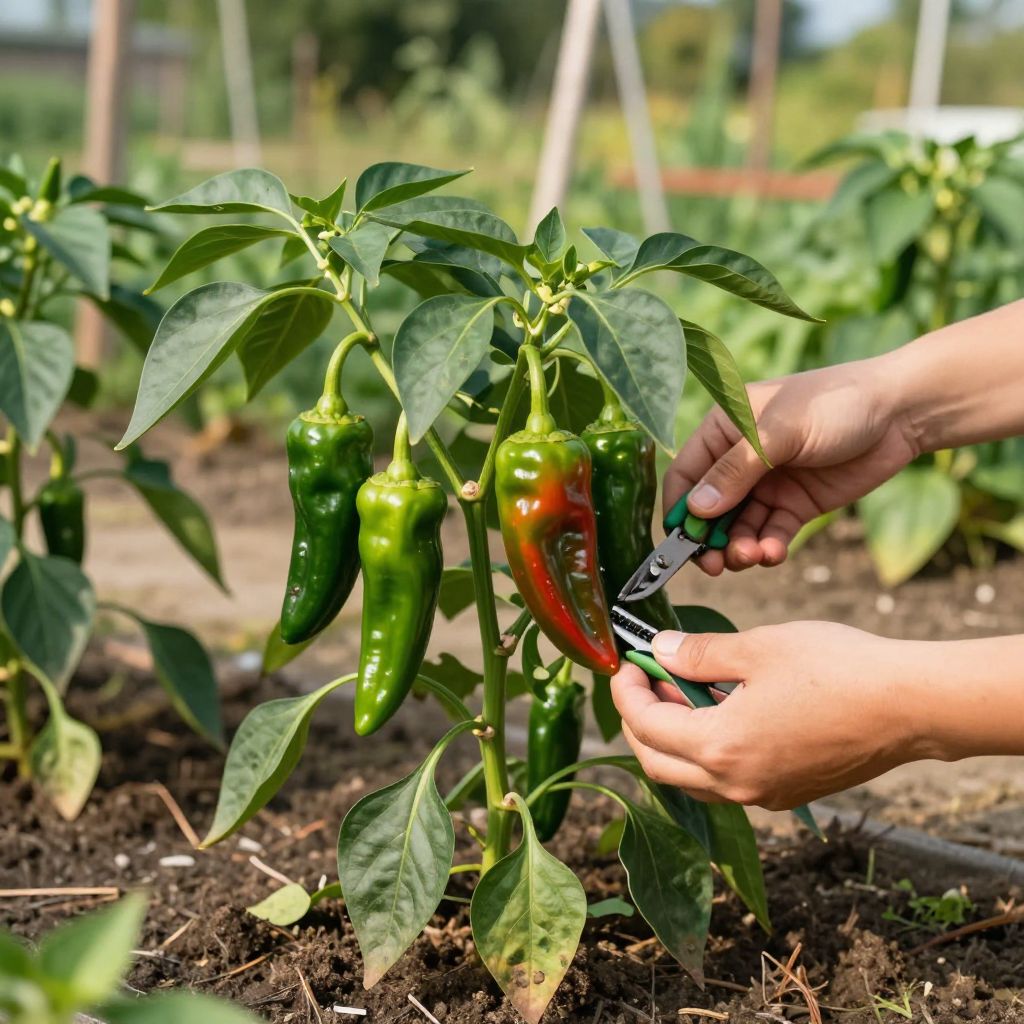
Wondering when to pick serrano peppers? The best time is usually when the pods are firm, glossy, and full-sized, whether you want them green and bright or fully ripe and hotter. You can harvest serranos at either stage, but timing affects flavor, heat, and texture.
Because weather, variety, and growing conditions all change ripening speed, the safest approach is to judge by pod size, color, and firmness rather than the calendar alone. A few simple checks will tell you when your peppers are ready and how to keep the plant producing longer.
When to pick serrano peppers?
Pick serrano peppers when the pods are 2 to 4 inches long, firm, glossy, and easy to snap or cut from the plant. Harvest green serranos for a fresher, sharper flavor, or wait until they turn red for a sweeter, hotter, fully ripe pepper. Either stage is usable.
How to tell serrano peppers are ready
Serrano peppers do not need to stay on the plant until they are red. In many gardens, the best harvest window is when the pods have reached full size and the skin looks smooth and shiny.
Signs a serrano pepper is ready
- Size: Most are ready around 2 to 4 inches long, depending on the plant and variety.
- Color: Green serranos are harvest-ready; red ones are fully ripe.
- Texture: The pod should feel firm, not soft or wrinkled.
- Skin: A glossy surface usually means the pepper is still fresh and in good eating condition.
- Stem attachment: The pepper should detach cleanly with a snip or gentle twist.
If you are unsure, taste one pepper and compare it with a younger pod. This is often the easiest way to learn how your own plant ripens in your climate.
Green vs. red serrano peppers
Green serranos are typically harvested earlier and have a bright, grassy, more pungent flavor. Red serranos stay on the plant longer, which allows them to develop more color and a slightly deeper, fruitier heat.
Neither stage is “wrong.” The right time depends on whether you want the crisp bite of a green pepper or the fuller flavor of a ripe one.
Seasonal timing: what to expect through the growing season
Serrano peppers are warm-season crops, so harvest timing depends heavily on temperature and sunlight. In hot, sunny weather, fruits mature faster. In cooler spells, ripening slows down and peppers may stay green for longer.
Early season
After transplanting, plants usually spend time building roots and foliage before setting many fruits. Early pods may be small and pale green, so avoid harvesting too soon unless you need very young peppers.
Midseason
This is often the main picking period. Plants may produce steadily, and frequent harvests encourage more flowering and fruiting. Check plants every few days once pods begin sizing up.
Late season
As nights cool, ripening often slows. If frost is approaching, pick mature green serranos before cold damage sets in. You can also leave a few peppers to ripen indoors on the counter if they are already close to full color.
How often to harvest serrano peppers
Check plants every 2 to 4 days during active production. Frequent picking helps keep the plant productive because it reduces the energy spent on overmature fruit.
Leaving too many peppers on the plant can slow new flowering. If your goal is a longer harvest window, remove ripe pods promptly and watch for new ones forming at the nodes.
Best way to pick serrano peppers
Use clean scissors, pruners, or garden snips to cut the stem just above the pepper. This is safer for the plant than pulling, which can tear branches or dislodge nearby flowers and developing fruits.
- Inspect the pepper for size, color, and firmness.
- Hold the stem or branch gently with one hand.
- Cut the stem about 1/4 inch above the fruit.
- Place harvested peppers in a shallow container to avoid bruising.
- Check the plant for more mature pods while you are there.
If you prefer twisting by hand, do it carefully and only when the pepper releases easily. A resistant stem is better cut than forced.
What happens if you pick serranos too early or too late?
Picking too early usually gives you smaller peppers with less developed flavor. They are still edible, but they may be thinner-walled and less satisfying.
Leaving peppers on the plant too long can cause them to soften, wrinkle, or over-ripen. Overripe fruit may be hotter, but it can also lose freshness and reduce the plant’s overall productivity.
Common harvest mistakes to avoid
- Waiting for every pepper to turn red before harvesting.
- Pulling fruit off and tearing branches.
- Letting overripe pods stay on the plant too long.
- Ignoring small signs of stress such as sunscald or soft spots.
- Harvesting wet peppers and storing them immediately in a sealed container.
How growing conditions affect harvest timing
Two serrano plants can ripen at very different speeds depending on light, soil, and temperature. If your plant is slow to produce, the issue may be growing conditions rather than the pepper itself.
Sunlight
Serranos do best in full sun, with at least 6 to 8 hours of direct light. Less sun often means slower ripening and fewer peppers.
Soil and drainage
Well-drained soil helps roots stay healthy and supports steady fruiting. Heavy, soggy soil can slow growth and increase disease problems, which delays harvest.
Watering
Even moisture supports better pod development, but constantly wet soil can stress the plant. Water deeply when the top layer of soil begins to dry, then let excess water drain away.
Temperature
Warm days and mild nights help serranos mature faster. In cooler weather, plants may hold fruit longer before changing color.
Should you wait for red serrano peppers?
Only if you specifically want fully ripe fruit. Red serranos are excellent when you want a deeper flavor and a more mature appearance, but many gardeners harvest green pods because the plant will keep producing and the peppers are already usable.
If your season is short, it often makes more sense to harvest green than to risk losing the crop to cold weather. In a long, warm season, you can leave some pods to ripen red and pick others earlier.
How to encourage more peppers after harvest
Harvesting at the right time can help the plant keep producing. Once a pepper is mature, removing it signals the plant to continue flowering rather than putting energy into an overripe pod.
- Pick mature peppers regularly.
- Remove damaged or diseased fruit.
- Keep the plant evenly watered.
- Feed lightly only if the plant is growing in poor soil.
- Support tall plants with a stake or cage if heavy fruit bends branches.
Light pruning of crowded or damaged growth can improve airflow, but avoid heavy cutting during active fruiting unless the plant is clearly overgrown or diseased.
Problems that can confuse harvest timing
Sometimes a pepper looks ready but is actually stressed. Sunscald, insect damage, or disease can make fruit look off-color or soft before it is truly ripe.
Watch for these issues
- Soft spots: May indicate rot or damage, not ripeness.
- Wrinkling: Often a sign of overripeness or water stress.
- Pale patches: Can result from sunscald on exposed fruit.
- Misshapen pods: Sometimes caused by poor pollination or plant stress.
If the plant is healthy but ripening slowly, patience is usually enough. If the plant is declining, harvest any usable peppers before the problem spreads.
Can you ripen serrano peppers off the plant?
Yes, if the pepper is already mature and just starting to change color, it may finish ripening indoors. Place it at room temperature in a dry, airy spot, away from direct sun.
That said, peppers picked too early usually do not improve much after harvest. For best flavor, leave them on the plant until they are full-sized and glossy.
Quick harvest checklist
- Fruit is 2 to 4 inches long.
- Skin is glossy and firm.
- Color is green for early harvest or red for full ripeness.
- Pepper detaches cleanly with a snip.
- Plant is still producing new flowers or small pods.
Conclusion
The best answer to when to pick serrano peppers is simple: harvest them when they are full-sized, firm, and glossy, whether they are green or red. Check your plants every few days, use clean snips, and pick often to keep the harvest coming. If you want to compare harvest timing with other pepper crops, you may also find related growing guides helpful.