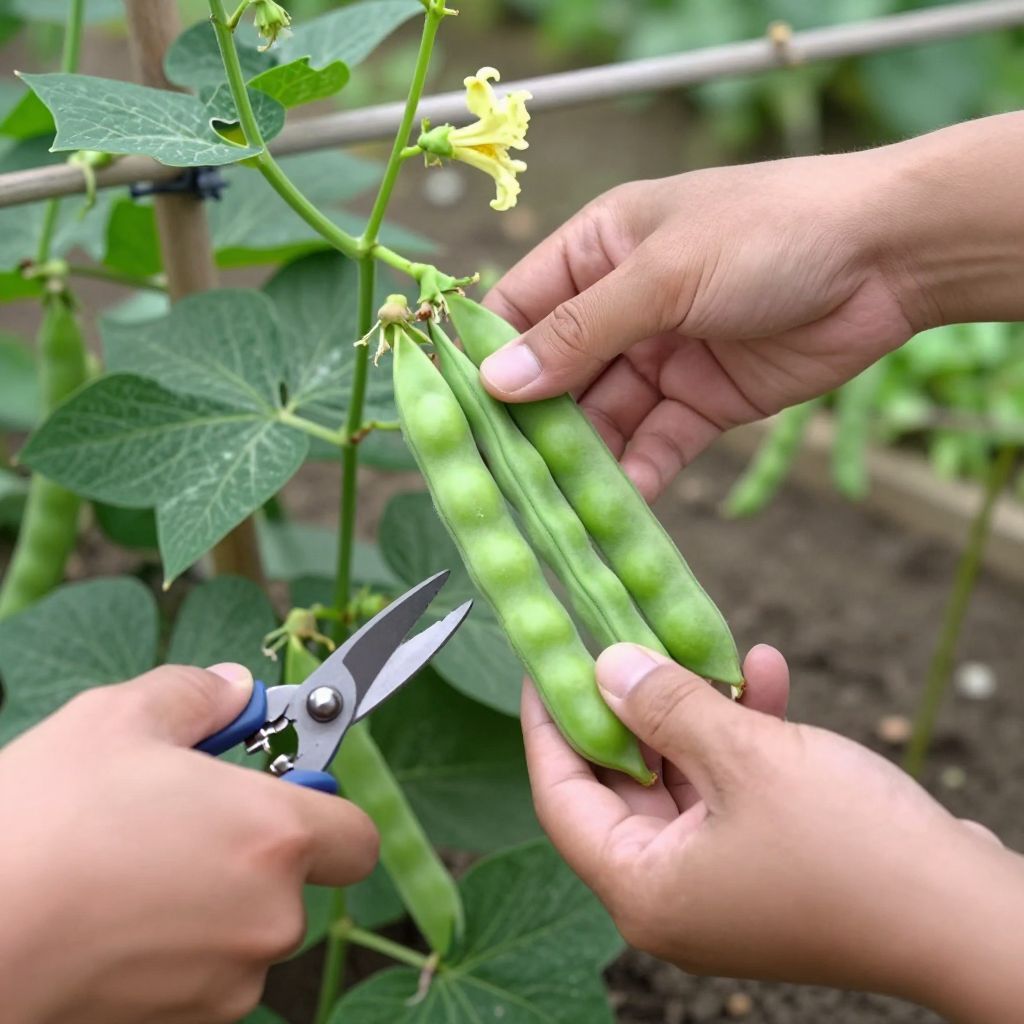
Wondering when to harvest green beans so they’re tender, flavorful, and not stringy? The best picking time depends on the bean type, weather, and how quickly pods mature, but the key is to harvest before the seeds swell inside the pod. Check plants often, because beans can go from perfect to tough in just a few days.
With a little timing and regular picking, you can keep plants producing for weeks. Whether you grow bush beans or pole beans, the signs of readiness are easy to learn once you know what to look for.
When to Harvest Green Beans?
Harvest green beans when the pods are firm, crisp, and still slender, before the seeds bulge noticeably inside. Most snap beans are best picked at about 4 to 7 inches long, depending on the variety. Pick them every 2 to 3 days during peak production to keep plants producing tender pods.
How to Tell Green Beans Are Ready
Green beans are usually ready when the pods look full-sized but still smooth and flexible. The exact harvest stage matters more than the calendar date, because heat, rainfall, and variety all affect how fast pods develop.
Visual signs to watch for
- Pod length matches the variety and looks mature, but not swollen.
- The pod feels firm and snaps cleanly when bent.
- Seeds inside are small and not pushing hard against the pod walls.
- The bean color is even and bright, without yellowing or heavy bulging.
Quick touch test
Gently bend a pod. If it snaps cleanly, it is usually ready. If it bends limply, it may be underdeveloped. If you can clearly feel large seeds inside, the bean is probably past its best stage for fresh eating.
Harvest Timing for Bush Beans vs. Pole Beans
Both types are harvested the same way, but their growth habit changes when and how often you pick. Bush beans tend to produce a concentrated crop, while pole beans keep setting pods over a longer period if you stay on top of harvesting.
Bush beans
Bush beans usually mature more quickly and often produce most of their crop within a short window. Once pods start forming, check plants frequently so you do not miss the best picking stage.
Pole beans
Pole beans often need a little more attention because they keep climbing and flowering over time. Harvesting regularly encourages continued pod production and helps prevent older pods from slowing the plant down.
Why Harvesting at the Right Time Matters
Green beans are best when they are young because the pods are tender and the seeds are still small. If you wait too long, the pod fibers become tougher and the seeds enlarge, which reduces quality for fresh eating.
Regular picking also signals the plant to keep flowering and setting new pods. If you leave mature pods on the plant, production often slows because the plant shifts energy toward seed development.
Step-by-Step: How to Harvest Green Beans
- Check plants every 2 to 3 days once pods begin forming.
- Look for pods that are firm, smooth, and the right length for the variety.
- Hold the stem with one hand and the pod with the other.
- Snap the pod off gently, or use clean scissors if the stem is tough.
- Place harvested beans in a shallow container so they do not bruise.
- Keep picking regularly to encourage more pods.
Use the right tool
For most beans, your fingers are enough. If stems are fibrous or you are harvesting a large crop, small snips or garden scissors can make the job easier and reduce accidental plant damage.
How Often Should You Pick Green Beans?
During active production, harvest every few days. In warm weather, pods can size up very quickly, so daily checks may be worthwhile. The more often you pick, the more likely you are to catch beans at their best stage.
If you miss a few pods, remove them anyway. Leaving overmature beans on the plant can reduce the quality of later harvests and make the plant look untidy, especially on pole beans.
What Happens If You Harvest Too Early or Too Late?
Picking too early usually gives you small pods with less developed flavor and lower yield. Picking too late gives you tough, stringy beans with large seeds and a less pleasant texture.
If beans are too small
- Leave the smallest pods on the plant for a few more days.
- Check again soon, especially in warm weather.
- Avoid stripping the plant too aggressively if most pods are still immature.
If beans are overmature
- Remove the pods to keep the plant productive.
- Expect tougher texture and larger seeds.
- Use them only if they still suit your intended use; otherwise compost them.
Growing Conditions That Affect Harvest Time
Harvest timing is closely tied to growing conditions. Beans mature faster in warm weather and slower in cool weather, so the same variety may be ready at very different times depending on your climate and season.
Sunlight
Green beans grow best in full sun, which helps plants flower and set pods well. In partial shade, growth may be slower and harvests may be delayed or reduced.
Watering
Even moisture helps plants produce evenly sized pods. Irregular watering can stress plants, which may lead to uneven pod development or lower yields. Water at the base of the plant when the soil starts to dry, rather than soaking the foliage.
Soil and drainage
Beans prefer well-drained soil. Waterlogged soil can weaken roots and reduce pod quality. If your garden soil stays wet after rain, consider raised beds, improved drainage, or a looser planting area for future crops.
Common Harvesting Mistakes to Avoid
- Waiting too long and letting pods become tough.
- Checking only once a week during peak production.
- Pulling pods roughly and damaging stems.
- Ignoring hidden pods lower in the plant or inside dense foliage.
- Leaving overripe pods on the plant for too long.
How to Keep Green Beans Producing Longer
Regular harvesting is the best way to extend the season. A healthy plant that is picked often will usually keep flowering and producing more pods for longer than one that is left to mature unchecked.
Helpful maintenance tips
- Pick pods promptly, even if the harvest is small at first.
- Keep plants watered during dry spells so they do not stall.
- Watch for pests that can weaken plants and reduce flowering.
- Remove damaged or diseased leaves if needed to improve airflow.
Pests and Diseases That Can Affect Harvest Quality
Healthy foliage supports better pod production, so it helps to watch for common issues while harvesting. Problems are often easier to spot when you are out checking plants regularly.
Common issues to look for
- Bean beetles chewing leaves and pods.
- Aphids clustering on tender growth.
- Fungal leaf spots that reduce plant vigor.
- Poor airflow or wet foliage that can encourage disease.
If you notice heavy pest damage or disease, address it early so the plant can keep producing usable pods. Healthy, vigorous plants generally give you the best harvest window.
Can You Harvest Green Beans After Rain?
Yes, but wait until the pods are dry enough to handle cleanly. Wet plants are more likely to bruise, and damp foliage can spread disease if you are moving through the bed a lot. If the weather is rainy, check the plants as soon as conditions allow.
Storing Green Beans After Harvest
Freshly picked beans are best used soon after harvest, when they are crisp and sweet. If you need to store them, keep them cool and dry. Avoid leaving them in a hot basket or direct sun, which speeds wilting and reduces quality.
For best texture, handle pods gently and avoid crushing them in a deep container. A shallow bowl or ventilated bag works better than a heavy pile.
Final Harvest Check
If you are unsure whether to pick, ask yourself three questions: Is the pod long enough for the variety? Does it snap cleanly? Can you feel large seeds inside? If the answer is yes to the first two and no to the third, it is usually time to harvest.
Keep checking your plants every couple of days, and you will quickly learn the sweet spot for your variety and climate. For more practical vegetable-growing guidance, you may also want to read about how to grow green beans and harvesting vegetables at peak quality.