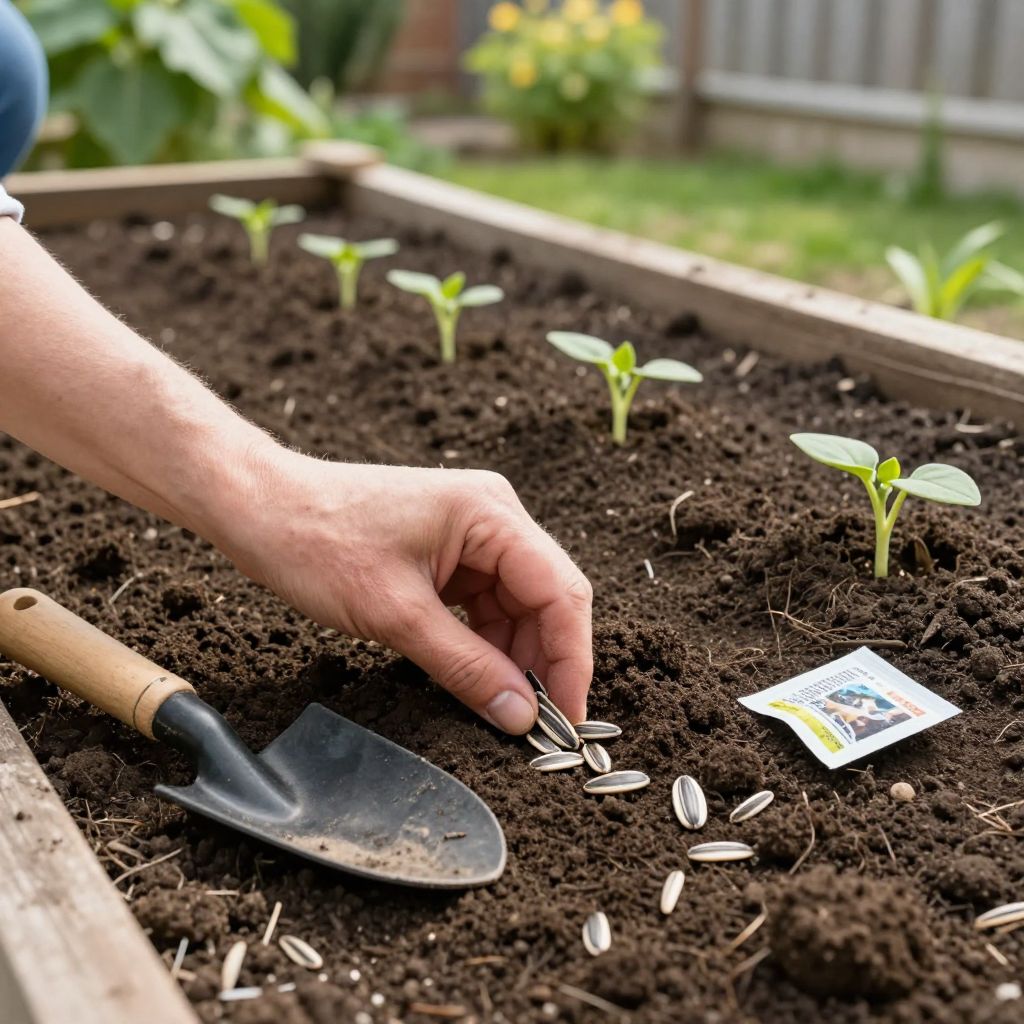
When do you plant sunflowers? The best time is after the danger of frost has passed and the soil has warmed enough for quick germination. Sunflowers are warm-season annuals, so planting too early often leads to poor sprouting, rot, or stunted growth.
The exact timing depends on your climate, but most gardeners sow sunflower seeds outdoors in spring, then continue planting in succession for blooms through summer. If you want tall stems, strong roots, and healthy flowers, timing matters as much as spacing, sunlight, and soil preparation.
When do you plant sunflowers?
Plant sunflower seeds outdoors in spring after the last frost date, once soil temperatures are at least about 50°F to 60°F and the ground is workable. In cooler regions, wait a little longer for warmer soil; in mild climates, you can sow from spring into early summer for staggered blooms.
Understanding the best planting window
Sunflowers germinate fastest in warm soil and full sun. If you sow too early into cold, wet ground, seeds may rot or emerge slowly and unevenly.
Spring planting is usually the answer
For most home gardens, spring is the main planting season. A good rule is to wait until:
- the last frost date has passed
- soil is dry enough to crumble, not stick together
- daytime temperatures are consistently mild to warm
In many areas, that means planting from mid-spring through late spring. In warmer regions, you may be able to plant earlier; in colder regions, you may need to wait until late spring.
Can you plant sunflowers in summer?
Yes, in many climates you can sow sunflowers in early or mid-summer and still get blooms before fall frost. This works especially well if you want a longer flowering season or a second wave of blooms after spring planting.
Just keep in mind that later sowings need enough frost-free time to mature. Very tall varieties may also need more time and support than dwarf types.
Can you plant sunflowers in fall?
In most gardens, fall is not the right time to plant sunflower seeds outdoors because frost will end the season before the plants mature. In frost-free climates, fall sowing may be possible, but growth will still depend on warmth, daylight, and moisture.
How to time sunflower planting by climate
Because local weather varies so much, the most reliable guide is your frost date and soil temperature. Use those instead of a calendar alone.
Cool-climate gardens
If your spring is long and cool, wait until the soil has warmed and nighttime temperatures are more stable. Sunflowers planted in cold soil often sit without much growth and are more vulnerable to birds, slugs, and decay.
Warm-climate gardens
If you garden in a warm region, you can usually plant earlier in spring and continue sowing in waves. In very hot areas, aim for a planting window that gives seedlings time to establish before intense summer heat arrives.
Short-season gardens
If your growing season is brief, choose quicker-maturing sunflower varieties and plant as soon as conditions are safe. Starting too late can mean the plants grow leaves but do not have enough time to flower and set seed.
How to plant sunflower seeds correctly
Sunflowers are usually direct-sown outdoors because they dislike root disturbance. You can start them indoors in pots, but direct sowing is simpler and often gives sturdier plants.
- Choose a sunny site. Sunflowers need full sun, ideally 6 to 8 hours or more each day.
- Prepare the soil. Loosen the top 6 to 8 inches and remove weeds and rocks.
- Improve drainage if needed. Mix in compost if the soil is compacted or poor, but avoid making it overly rich.
- Sow seeds at the right depth. Plant about 1 inch deep, or follow the packet if it gives a specific depth.
- Space them properly. Small varieties can be closer together; tall types need more room for airflow and root development.
- Water gently. Keep the soil evenly moist until seedlings emerge.
Once seedlings are up, thin them if needed so the strongest plants have enough space. Crowding can lead to thin stems and smaller blooms.
Direct sowing vs. starting indoors
Direct sowing is usually best for sunflowers because the taproot grows quickly and does not like being disturbed. If you start seeds indoors, use biodegradable pots or deep containers and transplant carefully before roots become crowded.
If you transplant, do it when seedlings are small. Older seedlings are more likely to suffer transplant shock.
Soil, sun, and watering needs
Sunflowers are not especially fussy, but they do best in the right growing conditions. Good timing is easier when the site itself is suitable.
Sunlight
Full sun is essential. A shaded bed may produce leggy stems, fewer flowers, and weaker plants that lean toward the light.
Soil
Sunflowers prefer well-drained soil with moderate fertility. They can tolerate average garden soil, but heavy clay or waterlogged ground can slow growth and increase disease risk.
If your soil is very poor, add compost before planting. Avoid overdoing high-nitrogen fertilizer, which can encourage leafy growth at the expense of blooms.
Watering
Water newly planted seeds regularly so the top layer of soil stays lightly moist until germination. After seedlings establish, water deeply but less often to encourage strong roots.
Once mature, sunflowers are fairly drought-tolerant, but they still perform best with consistent moisture during early growth and flowering. Dry spells can reduce bloom size and seed fill.
How to choose the right sunflower variety for your timing
Not all sunflowers mature at the same pace. Variety choice matters if you are planting late or have a short season.
Fast-maturing varieties
If you are planting later in spring or early summer, look for quicker varieties that bloom sooner. These are often better for small gardens, containers, and succession planting.
Tall varieties
Tall sunflowers make dramatic backdrops and can work well along fences or borders, but they may need staking in windy spots. Give them extra room and plant them where they will not shade smaller crops.
Dwarf varieties
Dwarf sunflowers are useful for containers, edging, and smaller gardens. They can be planted a bit more flexibly because they mature faster and need less support.
Common planting mistakes to avoid
Most sunflower problems start at planting time. A few simple mistakes can make a big difference in results.
- Planting too early into cold, wet soil
- Overcrowding seeds and seedlings
- Using too much shade or planting near tall crops
- Overwatering in poorly drained soil
- Transplanting too late and damaging the taproot
- Waiting too long in short-season gardens
If birds are a problem, cover newly sown seeds lightly with soil and keep the area moist so germination is quick. You can also use temporary netting or row cover until seedlings are established.
How to care for sunflowers after planting
Once your seeds are in the ground, the next few weeks are important. Good early care helps the plants establish quickly and resist stress later.
Thinning and spacing
After seedlings appear, thin them so each plant has enough room. Crowded seedlings compete for water, light, and nutrients, which can lead to weak stems and smaller heads.
Mulching
A light mulch can help conserve moisture and suppress weeds, but keep it a little away from the stem. Thick mulch packed against young plants can hold excess moisture and invite rot.
Staking
Tall sunflowers in windy areas may need staking. Use a sturdy support before the stem gets too large, and tie loosely so the plant can move slightly without snapping.
Deadheading and pruning
For cut flowers, harvest blooms when petals have just opened. If you want seed heads, leave flowers in place until they mature. Removing spent blooms can sometimes encourage side shoots in branching varieties, but it will not make every sunflower rebloom heavily.
Pests and diseases to watch for
Healthy timing and proper spacing reduce many sunflower problems, but a few pests and diseases are worth watching.
Birds and rodents
Birds may pull up seeds or eat young seedlings. Squirrels and other rodents can also disturb newly planted beds. Protective netting or temporary covers can help until plants are established.
Slugs and snails
These pests can chew young seedlings, especially in cool, damp weather. Keep the bed weed-free, avoid soggy soil, and check plants early in the morning if damage appears.
Fungal issues
Overcrowding, poor drainage, and wet foliage can contribute to mildew or other fungal problems. Space plants well, water at the base, and avoid planting in low spots where water collects.
Harvesting sunflowers for blooms or seed
Your planting time affects harvest timing. Earlier sowing usually means earlier flowers and more time for seed heads to mature before frost.
For cut flowers
Cut stems when the flower is just opening or just before full bloom, depending on the look you want. Use clean pruners and place stems in water right away.
For seeds
If you want edible or wildlife seed heads, let the back of the flower head turn yellow to brown and the seeds begin to firm up. Covering mature heads with mesh or paper can help protect them from birds if needed.
Quick answer: the best planting time at a glance
- Best time: after the last frost in spring
- Soil temperature: roughly 50°F to 60°F or warmer
- Best method: direct sow outdoors
- Light: full sun
- Soil: well-drained, moderately fertile
Conclusion
When do you plant sunflowers? In most gardens, the right time is spring after frost danger has passed and the soil has warmed. If you match planting time to your local climate, give them full sun, and avoid soggy ground, you will set your sunflowers up for strong growth and better blooms.
For more seasonal planting help, you may also want to read about building a simple planting calendar or starting seeds outdoors successfully.