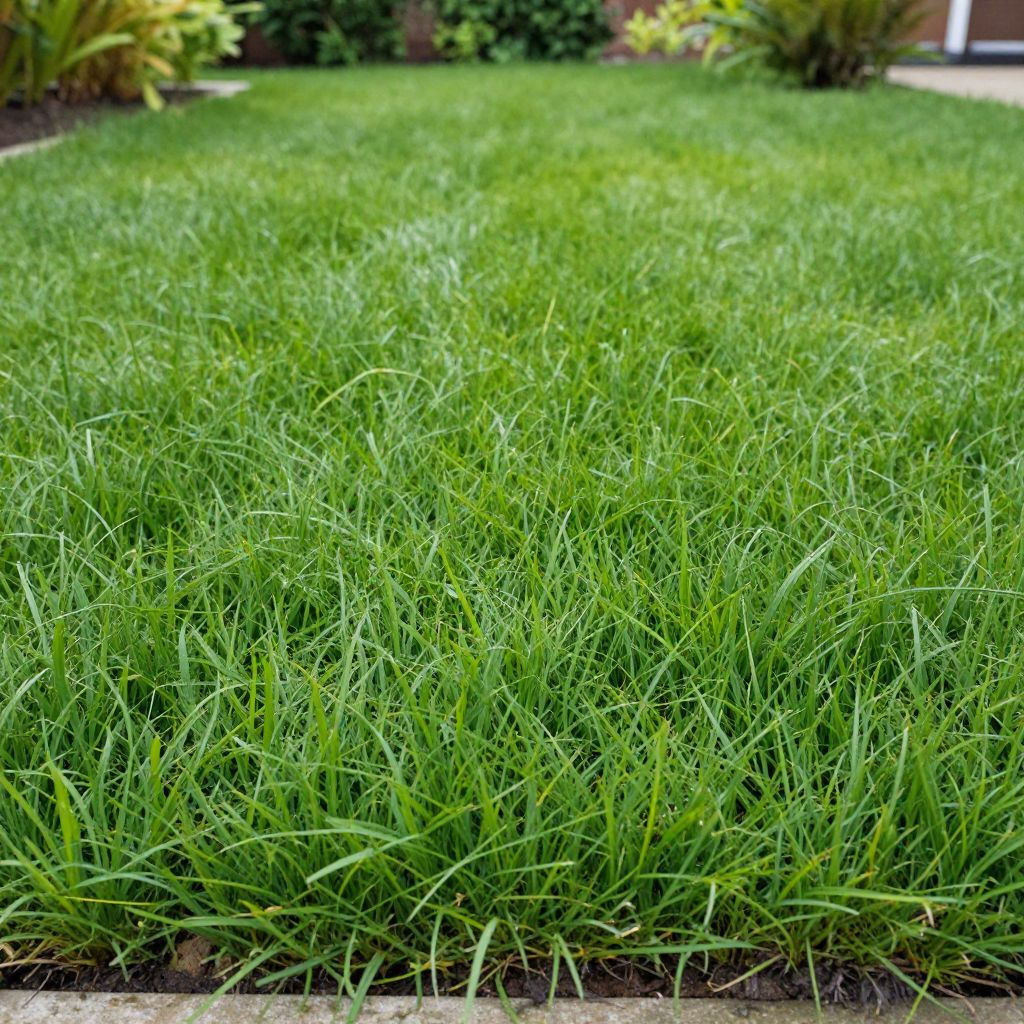
Why is the grass green, and what does that mean for your lawn’s health? In most cases, grass is green because of chlorophyll, the pigment that helps it capture sunlight and make energy. A healthy green color usually means the plant is actively growing, but shade, soil conditions, watering, and seasonal stress can all change how green your lawn looks.
If your grass is fading, yellowing, or patchy, the color is often a clue that something in the growing conditions needs attention. Understanding the cause helps you fix the problem without overwatering, overfertilizing, or making the lawn weaker.
Why is the grass green?
Grass is green because chlorophyll in its leaves absorbs light for photosynthesis and reflects green wavelengths back to your eyes. A lawn looks its best when it has enough sunlight, water, nutrients, and healthy roots. When any of those are off, the green color can become dull, pale, yellow, or uneven.
What makes grass stay a healthy green?
Healthy grass needs a balance of light, moisture, nutrients, air in the soil, and regular growth. Different grass species vary, but most lawns stay greener when they are growing steadily rather than being pushed too hard. Strong roots and even care matter more than frequent quick fixes.
Sunlight and chlorophyll
Sunlight drives photosynthesis, which is the process that keeps grass green and growing. Most lawn grasses perform best in full sun to partial shade, though the exact tolerance depends on the species.
If a lawn is too shaded, grass often becomes thin, pale, and stretched. In those areas, the issue may not be nutrition at all; it may be that the grass simply cannot photosynthesize well enough.
Water and root health
Grass usually looks greener when roots can take up water steadily. Too little water causes drought stress, while too much water can reduce oxygen in the soil and weaken roots.
Shallow, frequent watering often encourages shallow roots. A deeper soak less often is usually better for established lawns, but the exact timing should match your soil type, weather, and grass species.
Nutrients, especially nitrogen
Nitrogen is the nutrient most closely tied to rich green leaf color. If your lawn is pale green or yellowish, low nitrogen may be part of the problem, especially in sandy soil or after heavy rain that leaches nutrients away.
That said, too much fertilizer can cause rapid, weak growth, thatch buildup, and runoff problems. A soil test is the safest way to know whether your lawn actually needs feeding.
Common reasons grass loses its green color
1. Not enough sunlight
Grass in deep shade often becomes thin and light green because it cannot make enough energy. Tree canopies, fences, buildings, and dense shrubs can all reduce light.
- Prune nearby shrubs or lower tree limbs if appropriate.
- Choose shade-tolerant grass types for the area if reseeding is needed.
- Reduce foot traffic in weak, shaded spots.
2. Water stress
Both drought and waterlogging can make grass look less green. Drought usually causes a dull blue-green cast before the lawn turns yellow or brown, while soggy soil can lead to root stress and disease.
- Check soil moisture 2 to 4 inches down.
- Water when the soil is drying, not on a fixed calendar.
- Improve drainage if puddles linger after rain or irrigation.
3. Low fertility or nutrient imbalance
A lawn can look pale if it is short on nitrogen or if another nutrient issue is limiting growth. Compacted soil can also reduce nutrient uptake even when fertilizer is present.
Before feeding, ask whether the grass is actually growing well. If growth is weak across the lawn, a soil test and a look at soil structure are more useful than guessing.
4. Compacted soil
Compaction squeezes out air spaces in the soil, making it harder for roots to breathe and absorb water. Grass in compacted areas often looks thin, stressed, and less green, especially where people walk often.
- Aerate compacted lawns with a core aerator if the soil is suitable.
- Topdress lightly with compost after aeration.
- Limit traffic on wet soil, which compacts even faster.
5. Thatch buildup
Thatch is a layer of dead and living stems that builds up between the grass and the soil. A thin layer is normal, but too much thatch can block water and nutrients, making the lawn look unhealthy and uneven in color.
If thatch is thick, address the cause first, such as excess fertilizer or poor mowing habits. Mechanical dethatching may help, but it should be used carefully because it can stress the lawn.
6. Mowing too short
Cutting grass too low removes too much leaf area, which reduces photosynthesis and can make the lawn look pale or stressed. Scalping also exposes soil, encourages weeds, and weakens roots.
- Follow the one-third rule: never remove more than one-third of the blade at a time.
- Keep mower blades sharp for a clean cut.
- Adjust mowing height by grass type and season.
7. Pests and diseases
Insects and turf diseases can cause patchy yellowing, thinning, or browning that may be mistaken for a simple color issue. Grubs, chinch bugs, fungal leaf spots, and root diseases can all reduce greenness.
Look closely for chewing damage, irregular patches, or grass that lifts easily from the soil. If the problem spreads quickly or is severe, identify the cause before treating it.
How to tell whether your grass is healthy green or stressed green
A lawn does not need to be dark emerald to be healthy. The goal is even color, steady growth, and firm roots rather than a temporary burst of color from heavy feeding.
Healthy signs
- Even color across most of the lawn
- Blades that stand upright rather than wilted
- Roots that resist a gentle tug
- Moderate growth during the active season
Warning signs
- Yellowing in patches or streaks
- Thinning areas that spread over time
- Soil that stays wet or dries out too fast
- Grass that feels spongy, brittle, or pulls up easily
Practical solutions to improve grass color
Start with a soil test
A soil test is one of the best tools for figuring out why grass is not as green as it should be. It can show pH and nutrient levels, helping you avoid unnecessary fertilizer and target the real issue.
If your soil is too acidic or too alkaline for your grass type, nutrient uptake can suffer even when fertilizer is present. Adjustments should be based on test results and local recommendations.
Water deeply and less often
For established lawns, deep watering encourages deeper roots and more consistent color. The exact amount depends on soil texture, heat, rainfall, and grass species, so use the lawn itself as a guide rather than a rigid schedule.
- Water early in the day to reduce evaporation and disease pressure.
- Apply water slowly enough to soak in rather than run off.
- Check whether the top few inches of soil are drying between waterings.
Feed only when the lawn needs it
If a soil test or clear symptoms point to low fertility, use a lawn fertilizer that matches your grass type and season. Cool-season and warm-season grasses have different growth patterns, so timing matters.
Avoid heavy feeding during drought or extreme heat. Fertilizer can stress turf further if roots are already struggling to take up water.
Raise mowing height where appropriate
Longer grass blades shade the soil, support deeper roots, and help the lawn stay greener during stress. Many lawns do better when mowed a little higher than the shortest setting on the mower.
Keep blades sharp. Ragged cuts lose moisture faster and can make the lawn look dull or gray-green.
Improve drainage and soil structure
If your lawn stays wet for long periods, the roots may be starved of oxygen. That can reduce color even if the grass is watered “enough.”
- Break up compacted zones with core aeration.
- Topdress with compost to improve soil structure over time.
- Redirect downspouts or runoff away from low spots.
- Consider regrading or drainage work for chronic puddling.
Overseed thin areas if needed
Where grass is sparse, overseeding can help restore a fuller, greener lawn. Choose a grass suited to your sunlight, climate, and soil conditions.
Prepare the seedbed by loosening the surface, removing debris, and keeping the area evenly moist until seedlings establish. New grass is more sensitive to drying out than mature turf.
Seasonal reasons grass changes color
Spring
Grass often greens up as temperatures rise and growth resumes. If spring color is uneven, winter damage, compacted soil, or early nutrient shortages may be involved.
Summer
Heat and drought can make grass look lighter or duller, even when it is alive. Many lawns slow down in hot weather, so do not mistake temporary stress for permanent decline.
Fall
Cooler temperatures and more reliable moisture often bring back stronger color, especially for cool-season grasses. Fall is also a good time to correct compaction, overseed, and improve soil.
Winter
Many lawns go dormant or slow down and lose some of their bright green color. In cold climates this is normal, and pushing growth during dormancy usually does more harm than good.
Common mistakes to avoid
- Fertilizing without knowing whether the lawn actually needs it
- Watering lightly every day instead of soaking deeply when needed
- Mowing too short, especially during heat or drought
- Ignoring shade, compaction, or drainage problems
- Treating pests or disease before confirming the cause
When to call in help
If large sections of lawn are declining, if patches spread quickly, or if you see signs of root damage, it may be time to consult a local extension office, turf professional, or soil lab. Local guidance is especially useful because climate, grass species, and soil type change the best solution.
So, why is the grass green? Because healthy grass is making food through chlorophyll, and that green color is strongest when light, water, nutrients, and soil conditions are working together. If your lawn is fading, start by checking sunlight, moisture, mowing height, and soil health, then correct the biggest problem first. For more lawn care guidance, look into practical advice on lawn watering and soil improvement next.