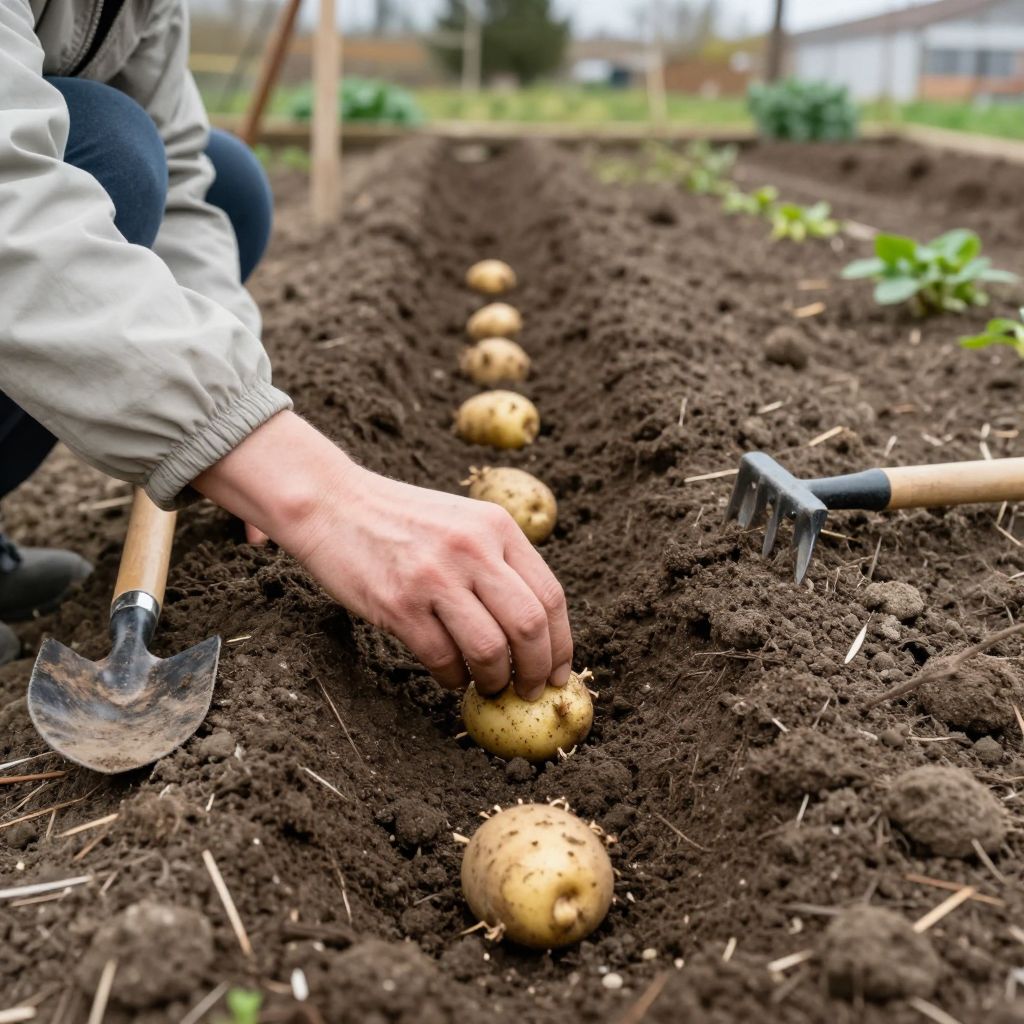
When is the best time to plant potatoes? The short answer is: plant seed potatoes in early spring as soon as the soil can be worked and is no longer waterlogged, or in late winter in mild climates. Potatoes need cool conditions to start well, but they dislike frozen ground and cold, soggy soil.
The exact timing depends on your local frost dates, soil temperature, and whether you are growing early, maincrop, or late potatoes. If you plant too early, tubers can rot or be damaged by frost; too late, and heat may reduce yield and quality.
When is the best time to plant potatoes?
The best time to plant potatoes is usually 2 to 4 weeks before your last expected spring frost, once the soil has warmed to about 45–50°F (7–10°C) and is workable. In mild-winter areas, planting can begin in late winter. In colder regions, wait until spring conditions are stable.
How to time potato planting by climate
Cool climates with late frosts
If your spring stays cold for a long time, wait until the ground dries and warms slightly. Potatoes planted into cold, wet soil often sprout slowly and are more vulnerable to rot.
In these regions, many gardeners plant from mid-spring onward, after the danger of hard frost has passed. If you want an earlier crop, you can start seed potatoes indoors by chitting them first.
Mild climates
Where winters are gentle, potatoes can often be planted in late winter or very early spring. The goal is to let plants establish before summer heat arrives, because hot weather can reduce tuber set and encourage stress.
If your area warms up quickly, choose early-maturing varieties and get them into the ground as soon as conditions allow.
Hot-summer regions
In places with very warm springs and hot summers, the planting window may be short. Plant as early as your soil and frost risk allow so tubers bulk up before intense heat.
In these climates, fall planting may also be possible in some areas, but only where winter temperatures stay mild enough for growth.
What potatoes need before planting
Soil temperature and condition
Potatoes grow best in loose, well-drained soil. The soil should be crumbly, not sticky or saturated, so the developing tubers can expand without rotting or deforming.
A soil temperature of 45–50°F (7–10°C) is a practical guide for planting. Warmer soil helps faster sprouting, but very warm conditions can stress young plants later in the season.
Sunlight
Choose a site with full sun, ideally at least 6 hours a day. More sun generally means stronger growth and better tuber production.
Soil pH and fertility
Potatoes prefer slightly acidic soil, roughly pH 5.0 to 6.5. Rich soil helps growth, but too much fresh manure or high-nitrogen fertilizer can push leafy growth at the expense of tubers.
How to plant potatoes at the right time
Step 1: Prepare seed potatoes
Use certified seed potatoes rather than grocery-store potatoes, which may be treated to suppress sprouting or carry disease. Cut larger seed potatoes into pieces only if needed, making sure each piece has at least one or two healthy eyes.
Let cut pieces dry for a day or two before planting so the surfaces can callus and reduce rot risk.
Step 2: Chit potatoes if you want an earlier start
Chitting means encouraging short sprouts before planting. Place seed potatoes in a cool, bright spot for a few weeks so sturdy shoots develop.
This is especially useful if your spring is short, because it can help the crop get moving sooner once planted.
Step 3: Plant in trenches or hills
Plant seed potatoes about 3 to 4 inches deep and space them roughly 12 inches apart in rows about 2 to 3 feet apart, depending on variety and your garden layout.
Cover lightly at first, then add more soil as stems grow. This helps protect developing tubers from sunlight, which causes greening and makes them inedible.
Step 4: Hill the plants
When shoots are 6 to 8 inches tall, mound soil or mulch around the stems, leaving the top leaves exposed. Repeat as needed until the row is gently ridged.
Hilling is one of the most important potato care steps because it keeps tubers covered and creates more space for them to form.
What happens if you plant too early or too late?
Too early
Planting before the soil warms can lead to slow sprouting, seed-piece rot, or frost damage to emerging shoots. Even if the plants survive, early stress can reduce vigor.
If an unexpected frost is forecast after planting, cover emerging plants with soil, straw, frost cloth, or row cover for protection.
Too late
Late planting can shorten the growing season and expose plants to heat, drought, or early disease pressure. Tubers may stay small if plants do not have enough cool growing time.
If you missed the main spring window, choose a quicker-maturing variety and keep the soil evenly moist while plants establish.
Best planting conditions for healthy potatoes
- Loose soil: Avoid compacted ground and heavy clay unless you improve drainage first.
- Good drainage: Raised beds or mounded rows work well in wet areas.
- Moderate moisture: Soil should be evenly moist, not soggy.
- Full sun: Aim for a bright, open site.
- Crop rotation: Do not plant potatoes where tomatoes, peppers, eggplants, or potatoes grew recently if you can avoid it.
Watering and feeding after planting
Keep the soil consistently moist while plants are establishing, but avoid overwatering. Potatoes dislike waterlogged conditions, especially early on when seed pieces are vulnerable to rot.
Once plants are actively growing and forming tubers, steady moisture matters. Irregular watering can lead to misshapen tubers or problems such as common scab in dry conditions.
Simple feeding approach
Mix compost into the soil before planting if your bed needs organic matter, but avoid heavy applications of fresh manure. A balanced, not overly nitrogen-rich soil helps produce tubers rather than just foliage.
If your soil is already fertile, you may need very little extra feeding beyond compost and good moisture management.
Common potato problems tied to planting time
Frost damage
Young potato shoots are tender. If frost is likely, delay planting or be ready to cover plants quickly.
Rot in cold, wet soil
If seed potatoes sit in soggy ground, they can rot before sprouting. Improve drainage, wait for better conditions, or use raised beds next time.
Greening tubers
Tubers exposed to light turn green and produce bitter compounds. Hill soil over developing tubers and harvest any exposed potatoes promptly.
Scab and irregular tubers
Dry soil and uneven watering can contribute to rough skins or odd shapes. Mulch can help stabilize moisture once plants are established.
How to know when your potatoes are ready to harvest
Early potatoes can sometimes be harvested a few weeks after flowering, when tubers are large enough to eat. Maincrop potatoes are usually left until the tops yellow and die back.
For storage potatoes, wait until the skins have set. If the skin rubs off easily, they need more time in the ground.
Harvesting tips
- Use a fork or spade carefully to avoid slicing tubers.
- Harvest on a dry day if possible.
- Let potatoes dry briefly before storing.
- Keep harvested tubers out of direct sunlight.
Practical mistakes to avoid
- Planting in cold, soggy soil.
- Using grocery-store potatoes of unknown quality.
- Forgetting to hill plants as they grow.
- Overdoing nitrogen-rich fertilizer.
- Letting tubers sit near the soil surface where light can reach them.
- Waiting so long to plant that summer heat cuts the season short.
A simple timing checklist
- Check your local last frost date.
- Wait until soil is workable and not waterlogged.
- Plant when soil is around 45–50°F (7–10°C) or slightly warmer.
- Use seed potatoes and prepare them properly.
- Plant 2 to 4 weeks before the last frost in most cool climates.
- Hill plants as they grow and keep moisture even.
Conclusion
If you are wondering when is the best time to plant potatoes, aim for early spring planting once the soil is workable and frost risk is easing. Match the timing to your climate, protect young plants from cold snaps, and keep the soil loose, moist, and well covered as they grow. For your next step, check your local frost date and prepare your seed potatoes now.
If you want to plan the rest of your vegetable bed, it also helps to read up on growing potatoes and other seasonal crop timing so you can stagger planting for a longer harvest.