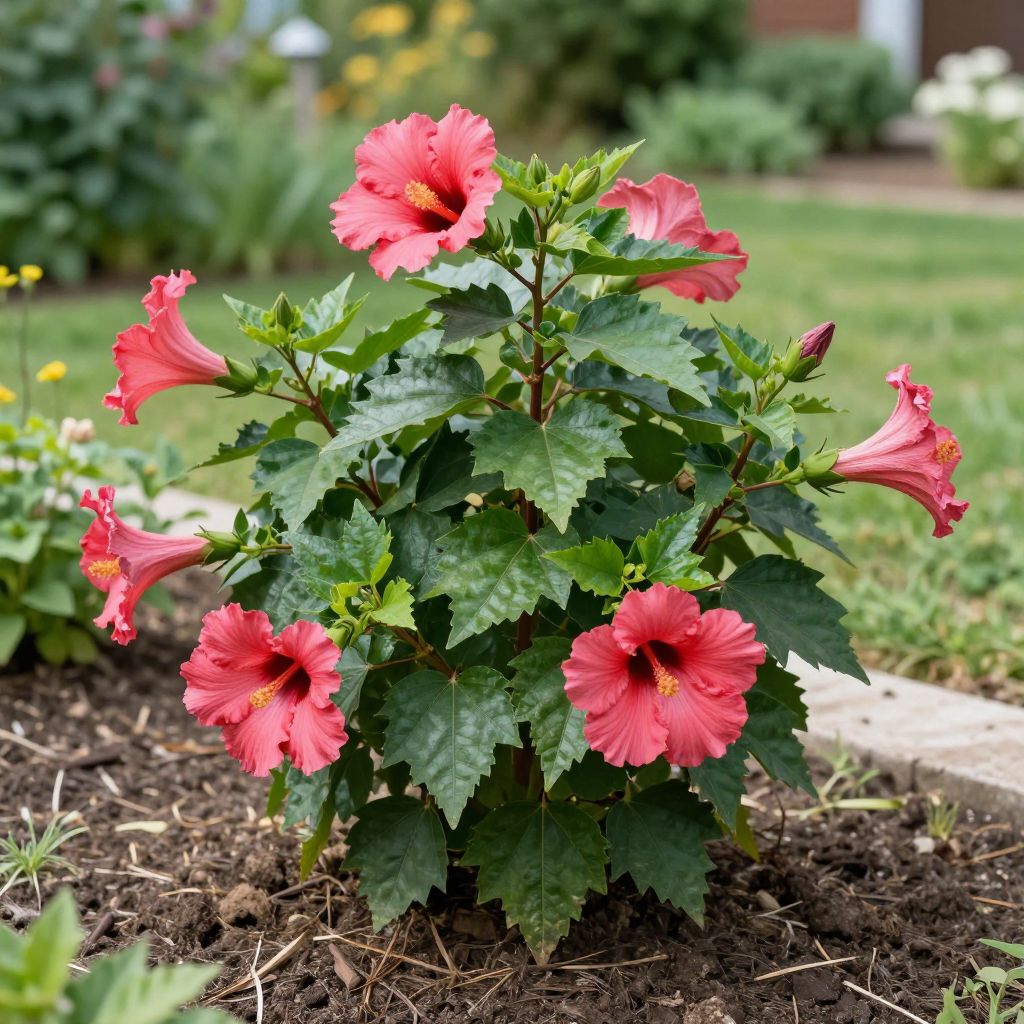
Are hibiscus annuals or perennials? The short answer is: it depends on the type of hibiscus and your climate. Some hibiscus are tropical and treated as annuals in cold regions, while others are hardy perennials that return year after year.
If you know which hibiscus you have, you can give it the right care and avoid losing a plant that could have come back. The key is matching the species to your winter temperatures, sunlight, soil, and whether you plan to grow it outdoors or in a container.
Are hibiscus annuals or perennials?
Hibiscus can be either annuals or perennials depending on the species and where you live. Tropical hibiscus (Hibiscus rosa-sinensis) is a perennial in frost-free climates but is often grown as an annual or overwintered indoors in cooler areas. Hardy hibiscus, such as Hibiscus moscheutos, is a true perennial that dies back in winter and regrows in spring.
Know which hibiscus you have
Before you decide how to plant or overwinter hibiscus, identify the type. The care, cold tolerance, and long-term behavior are very different between tropical and hardy forms.
Tropical hibiscus
Tropical hibiscus is the glossy-leaved, showy-flowered type often sold in nurseries and garden centers. It prefers warm temperatures and is damaged by frost.
- Best suited to USDA warm climates or indoor growing in winter
- May bloom for a long season in heat and bright light
- Usually treated as a container plant in cold climates
Hardy hibiscus
Hardy hibiscus is a landscape perennial that can survive winter cold and return from the roots each year. It often has very large flowers and can grow into a substantial clump.
- Dies back to the ground in fall in cold regions
- Re-emerges in late spring when soil warms
- Needs room, moisture, and full sun for best performance
Rose of Sharon
Rose of Sharon, Hibiscus syriacus, is another hardy hibiscus relative commonly grown as a shrub. It is deciduous and perennial in many climates, though it can self-seed in some gardens.
How climate affects whether hibiscus comes back
Winter temperature is the biggest factor. If your area gets frost or freezing weather, tropical hibiscus will usually not survive outdoors year-round, while hardy hibiscus and rose of Sharon often will.
Use your local winter conditions, not just the plant label, to decide. A plant that is perennial in one region may behave like an annual in another.
- Frost-free or very mild climates: tropical hibiscus can grow as a perennial shrub outdoors.
- Cold-winter climates: tropical hibiscus is usually grown in pots and brought indoors.
- Temperate climates: hardy hibiscus may die back in winter but return from roots in spring.
Growing conditions hibiscus needs
Whether annual or perennial, hibiscus performs best when its basic needs are met. Healthy plants are more likely to bloom heavily and survive seasonal stress.
Sunlight
Most hibiscus bloom best in full sun, meaning at least 6 hours of direct light daily. In very hot climates, some afternoon shade can reduce leaf scorch and wilting.
Soil and drainage
Hibiscus likes rich, well-drained soil that holds moisture without staying soggy. Heavy clay can cause root problems if drainage is poor, while very sandy soil may dry too fast.
- Work in compost to improve soil structure
- Avoid planting where water pools after rain
- For containers, use a quality potting mix with good drainage
Watering
Hibiscus prefers even moisture, especially during active growth and flowering. Letting the soil dry out completely can cause bud drop, yellowing leaves, and weak growth.
Water deeply when the top inch or two of soil feels dry, then let excess water drain away. Container plants usually need more frequent watering than in-ground plants, especially in hot weather.
Planting hibiscus for long-term success
If you want a perennial hibiscus to return each year, plant it in the right place from the start. Good site selection matters more than extra fertilizer or frequent pruning.
- Choose a sunny site with room for the mature plant size.
- Improve the soil with compost if it is thin or compacted.
- Plant at the same depth it was growing in the nursery pot.
- Water thoroughly after planting to settle the roots.
- Mulch lightly to conserve moisture and moderate soil temperature.
Keep mulch a few inches away from the stems so the base of the plant does not stay too wet.
How to care for tropical hibiscus as a container plant
In cold climates, tropical hibiscus is often best grown in a pot so you can move it indoors before frost. This gives you the best chance of keeping it alive for more than one season.
Indoor overwintering tips
- Bring the plant inside before nighttime temperatures drop too low.
- Place it in the brightest window you have, or use supplemental light if needed.
- Reduce watering in winter, but do not let the pot dry out completely.
- Watch for spider mites, aphids, and whiteflies indoors.
Expect some leaf drop after moving it indoors. That is common as the plant adjusts to lower light and drier air.
Pruning and maintenance
Pruning depends on the type of hibiscus you grow. The wrong timing can reduce flowering or remove next season’s growth.
Tropical hibiscus pruning
Tropical hibiscus can be lightly pruned to shape it and encourage branching. The best time is usually when the plant is actively growing, not when it is stressed by cold or drought.
- Remove dead, damaged, or crossing stems
- Pinch or trim to keep a bushier shape
- Avoid heavy pruning right before winter indoors
Hardy hibiscus pruning
Hardy hibiscus is usually cut back after frost or in late winter/early spring, depending on your climate and garden style. In colder areas, the stems often die back naturally.
- Leave dead stems in place through winter if you want to mark the plant’s location
- Cut back old stems before new growth emerges in spring
- Remove weak or crowded growth to improve airflow
Common problems that affect hibiscus
Most hibiscus issues come from stress rather than serious disease. If the plant is not blooming or looks weak, check light, water, and temperature first.
Bud drop
Flower buds may fall before opening if the plant is moved, underwatered, overwatered, or exposed to sudden temperature changes. Tropical hibiscus is especially sensitive to stress.
Yellowing leaves
Yellow leaves can signal poor drainage, inconsistent watering, low light, or nutrient imbalance. If the soil stays wet, root stress is often the real problem.
Pests
Aphids, spider mites, whiteflies, and mealybugs can attack hibiscus, especially indoors or in hot, dry weather. Check leaf undersides and new growth regularly.
- Rinse small infestations off with water
- Prune heavily infested tips if needed
- Improve air circulation around crowded plants
- Inspect indoor plants before bringing them inside
Can you propagate hibiscus?
Yes, many hibiscus plants can be propagated from stem cuttings, which is useful if you want to keep a favorite tropical plant going year after year. This is especially helpful when you are growing a tender hibiscus in a cold climate.
Take healthy, non-flowering stem cuttings from active growth, then root them in a moist, well-drained medium. Keep the cutting warm and in bright, indirect light until roots form. Success varies by plant type and growing conditions.
How to tell if your hibiscus is perennial in your garden
If you are unsure whether your hibiscus will return, watch what happens after the first cold season. A hardy hibiscus will usually die back to the ground and regrow from the base, while a tropical hibiscus will often blacken or decline after frost.
To avoid guessing, check the plant tag, ask the nursery, or identify the species. That one step can save you from overwintering the wrong plant in the wrong way.
Quick care checklist
- Match the hibiscus type to your climate
- Give it full sun or very bright light
- Plant in rich, well-drained soil
- Water consistently, especially during bloom
- Protect tropical hibiscus from frost
- Prune according to the plant type
- Watch for pests and stress-related bud drop
Conclusion
So, are hibiscus annuals or perennials? They can be either, depending on the species and your winter weather. Tropical hibiscus is usually a perennial only in frost-free climates, while hardy hibiscus and rose of Sharon are true perennials in many gardens.
If you are planning your planting now, identify your hibiscus first, then place it where it will get the right light, drainage, and winter protection. For more related care guidance, you may also want to read about container plant overwintering tips and choosing the best full-sun flowering shrubs.