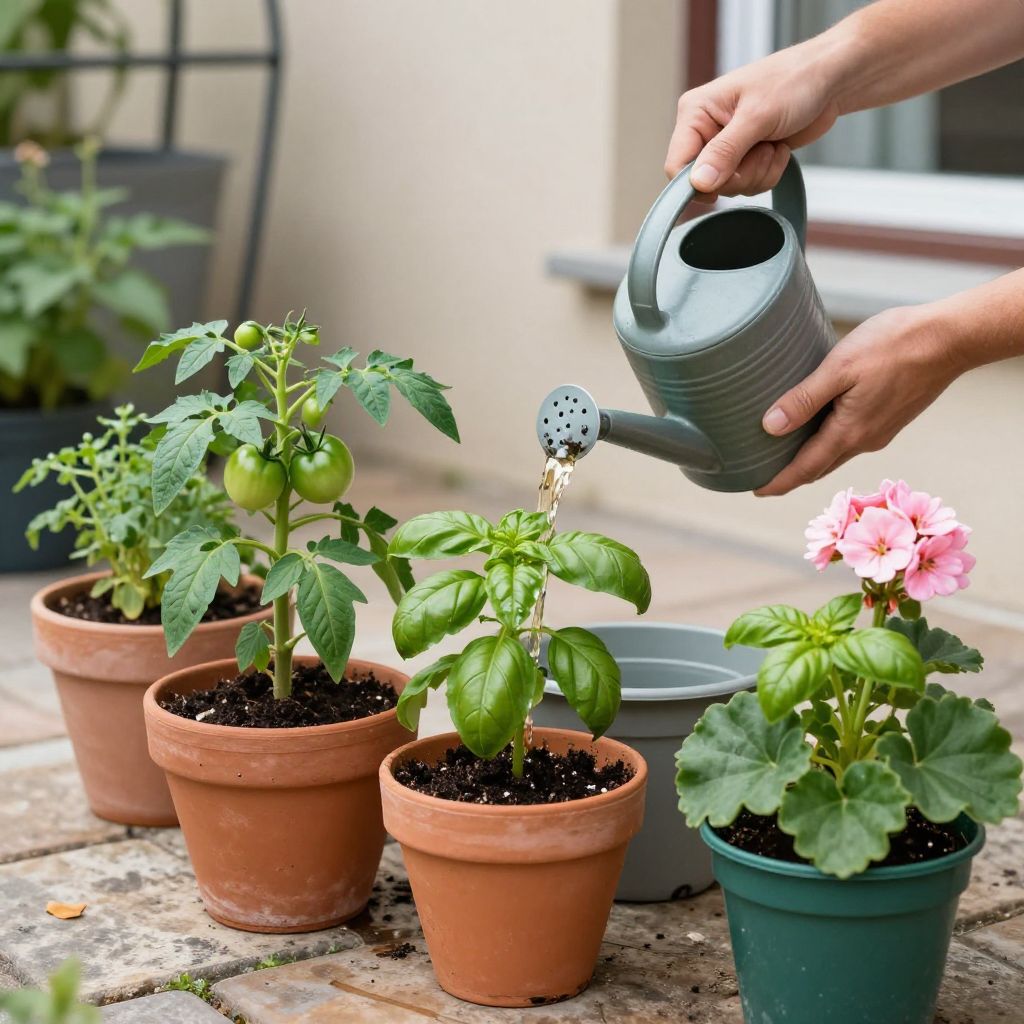
Which plants like banana water? If you’ve heard that banana peel water can feed your garden, the short answer is: some plants may benefit from it, but it is not a complete fertilizer. It can offer a small boost of potassium and other trace minerals, yet it works best as a mild supplement, not a replacement for proper soil care.
Used carefully, banana water may be helpful for heavy feeders, flowering plants, and fruiting crops. The key is to apply it to healthy soil, use it sparingly, and understand what it can and cannot do.
Which plants like banana water?
Plants that often respond best to banana water are flowering and fruiting plants that appreciate a little extra potassium, such as tomatoes, peppers, roses, orchids, and some houseplants. It may also be used occasionally on leafy plants, but it should never replace balanced compost, fertilizer, or good watering habits.
What banana water can and cannot do
Banana water is usually made by soaking banana peels in water. Gardeners use it because banana peels contain potassium, along with small amounts of phosphorus, magnesium, and calcium.
Important: those nutrients are present in low, variable amounts. Banana water is not a reliable stand-alone fertilizer, and it does not provide enough nitrogen for strong leafy growth.
Best uses in the garden
- As a light supplement for container plants
- For flowering plants that need steady nutrition
- For fruiting crops during active growth
- As an occasional soil drench, not a daily feed
What it is not good for
- Replacing compost or a balanced fertilizer
- Fixing yellow leaves caused by poor drainage or root problems
- Feeding seedlings that need gentle, consistent nutrition
- Solving nutrient deficiencies on its own
Plants that may like banana water
Different plants respond differently depending on their soil, pot size, sunlight, and stage of growth. These are the most common candidates for occasional banana water use.
Tomatoes and peppers
Tomatoes and peppers are heavy feeders and benefit from steady nutrition during flowering and fruiting. Banana water may support potassium needs, which are important for bloom and fruit development, but it should be paired with compost or a balanced vegetable fertilizer.
Use it only after plants are established and actively growing. Young transplants need root development first, not extra feeding.
Roses
Roses often appreciate potassium-rich feeding during the growing season because it supports flowering and overall vigor. Banana water can be used as a mild supplement around the root zone, especially for roses grown in containers or lean garden soil.
Do not overapply it. Roses need well-drained soil, regular deep watering, and pruning more than they need frequent homemade feeds.
Orchids
Some orchid growers use very diluted banana water as an occasional supplement, but orchids are sensitive to buildup in the potting mix. If you try it, use it lightly and infrequently, and make sure the roots and medium drain extremely well.
For most orchids, a proper orchid fertilizer is more predictable than banana water.
Flowering houseplants
Flowering houseplants such as African violets, peace lilies, or other bloomers may benefit from a mild feed if they are otherwise healthy and growing in bright, indirect light. Banana water is best used as an occasional supplement, not a regular routine.
If a houseplant is not flowering, check light levels first. Poor light is a more common reason for weak blooming than low potassium.
Fruiting plants in containers
Container-grown strawberries, dwarf citrus, and patio fruiting plants can use nutrients quickly because pots leach minerals with frequent watering. Banana water may help slightly, but container plants usually do better with a complete fertilizer and fresh potting mix.
Some leafy ornamentals
Plants like pothos, philodendron, and monstera may tolerate an occasional banana-water drench if they are actively growing, but they generally need more nitrogen than banana water provides. If leaves are pale or growth is slow, a balanced houseplant fertilizer is usually a better choice.
Plants that usually do not need banana water
Not every plant benefits from this kind of feeding. Some plants prefer lean soil, and others are easily damaged by extra organic residue or overfeeding.
- Succulents and cacti: they need very light feeding and excellent drainage.
- Seedlings: they are easily stressed by excess nutrients.
- Native plants adapted to poor soil: they often grow better without extra feeding.
- Herbs grown for flavor: too much feeding can reduce aroma and encourage soft growth.
- Plants already struggling from root rot or overwatering: feeding will not solve the real issue.
How to make banana water safely
If you want to try banana water, keep the method simple and sanitary. The goal is a mild liquid feed, not a fermenting mess.
- Use clean banana peels from ripe bananas.
- Chop the peels into small pieces to increase surface area.
- Soak them in plain water in a covered container for a short period.
- Strain the liquid before using it on plants.
- Use it soon after making it, rather than storing it for long periods.
Do not leave banana peels sitting in water for too long if the mixture starts to smell bad or attract insects. Rotting organic matter can encourage fungus gnats, mold, and unpleasant odors.
Better option for many gardeners
If you want a more dependable approach, add banana peels to a compost pile. Compost breaks them down more completely and returns nutrients to the soil in a safer, more balanced form.
How to apply banana water
Use banana water like a light supplement, not a full feeding program. Apply it to moist soil, not bone-dry potting mix, so roots are less likely to be stressed.
- Water the plant normally first if the soil is dry.
- Pour the strained banana water around the root zone.
- Avoid soaking leaves unless you are cleaning them intentionally with plain water.
- Use it occasionally, not every time you water.
For indoor plants, use extra caution. Potted plants have limited soil volume, so repeated use can lead to residue buildup and pest problems faster than in the ground.
When banana water is most useful
Banana water is most likely to be helpful when a plant is already growing well and you want a gentle supplement during flowering or fruiting. It makes the most sense in healthy soil that already drains well and contains organic matter.
It is less useful when the real problem is poor light, compacted soil, root disease, underwatering, overwatering, or a lack of nitrogen.
Best timing by plant stage
- Active growth: occasional use can be acceptable for established plants.
- Flowering and fruiting: this is the stage where potassium support may be most relevant.
- Dormant or slow growth periods: skip it unless the plant is clearly active.
- Newly potted plants: wait until roots settle in before adding extras.
Common mistakes to avoid
Most problems with banana water come from overuse or from expecting it to do too much.
- Using it too often: more is not better, especially in pots.
- Leaving peels to rot in water: this can create odor and pests.
- Using it on nutrient-hungry plants as the only feed: it lacks balance.
- Applying it to unhealthy plants without diagnosing the issue: fix drainage, pests, or light first.
- Feeding succulents or seedlings: these plants usually need much less.
Troubleshooting plant problems after using banana water
If a plant looks worse after banana water, the issue is usually not the banana itself alone. It is often a sign of excess moisture, poor drainage, or too much organic residue in the pot.
Yellow leaves
Yellowing can mean overwatering, poor drainage, low nitrogen, or root stress. Check the soil before feeding again. If the pot stays wet for days, reduce watering and improve drainage.
Fungus gnats
These tiny flies are attracted to moist, organic-rich potting mix. If banana water seems to bring them on, stop using it, let the top layer dry more between waterings, and remove any decomposing plant matter from the surface.
Bad smell
A sour or rotten smell means the mixture has gone off. Discard it and make a fresh batch only if you plan to use it quickly. Never apply foul-smelling liquid to stressed plants.
Weak flowering
If a plant is not blooming, banana water is rarely the whole answer. Increase light, prune correctly, and use a balanced fertilizer if the plant needs more than a mild potassium boost.
Better long-term feeding options
For most gardens, banana water should be treated as a small experiment, not a core feeding strategy. The most reliable way to support healthy plants is to build soil and feed according to plant type.
- Compost: improves soil structure and adds broad nutrition
- Well-rotted manure: useful for many outdoor beds when appropriate
- Balanced fertilizer: gives more predictable results for containers and vegetables
- Mulch: helps conserve moisture and supports soil life
If you garden in containers, refresh potting mix regularly and fertilize according to the plant’s needs. In the ground, focus on soil health, drainage, and mulch before reaching for homemade feeds.
Conclusion
Which plants like banana water? Mainly established flowering and fruiting plants, plus a few houseplants, may benefit from it as an occasional mild supplement. Use it sparingly, strain it well, and pair it with good soil and proper watering. If you want a dependable next step, check your plant’s light, drainage, and overall feeding plan before adding anything else.
For more practical plant care ideas, you may also want to read about composting indoors and container gardening basics.