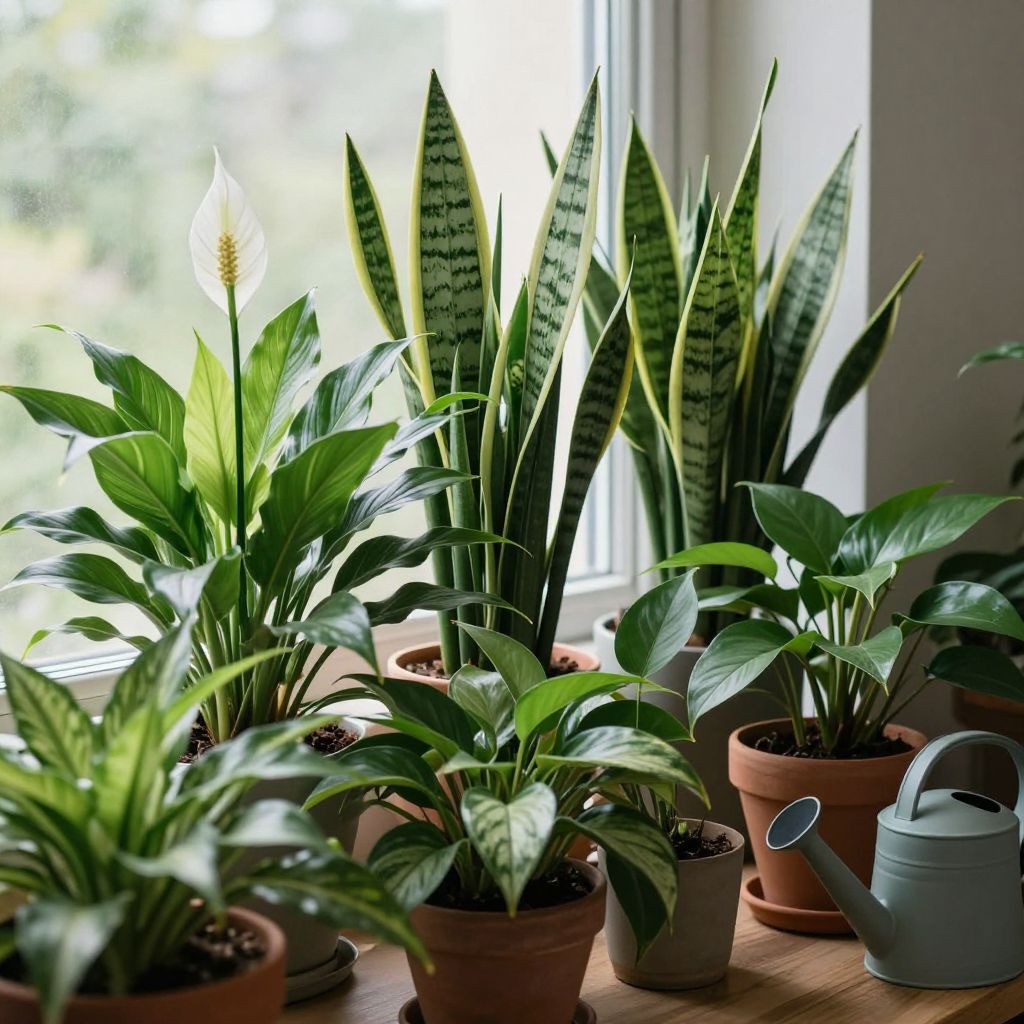
If you’re wondering what plants don’t need sunlight, the short answer is: no plant can live with zero light forever, but several houseplants and shade-loving plants can grow well in low light or indirect light. The key is choosing plants adapted to dim conditions and matching their watering, soil, and placement to the light you actually have.
In this guide, you’ll learn which plants tolerate low light best, how to tell the difference between “low light” and “no light,” and how to keep these plants healthy indoors or in deeply shaded outdoor spots.
What plants don’t need sunlight?
No plant truly grows without light, but some plants need very little direct sun and do best in bright indirect light, filtered light, or deep shade. Good choices include snake plant, ZZ plant, pothos, cast iron plant, peace lily, Chinese evergreen, ferns, and many mosses and woodland groundcovers. In very dark rooms, growth slows and plants need less water.
Plants that tolerate very low light
When people ask what plants don’t need sunlight, they usually mean plants that can survive in rooms with small windows, north-facing exposure, or shaded corners. These plants are adapted to understory conditions where light is limited and often dappled.
Best indoor plants for low light
- Snake plant (Dracaena trifasciata)
- ZZ plant (Zamioculcas zamiifolia)
- Pothos (Epipremnum aureum)
- Heartleaf philodendron (Philodendron hederaceum)
- Peace lily (Spathiphyllum spp.)
- Chinese evergreen (Aglaonema spp.)
- Cast iron plant (Aspidistra elatior)
- Parlor palm (Chamaedorea elegans)
- Bird’s nest fern (Asplenium nidus)
Outdoor plants for deep shade
- Hostas (Hosta spp.)
- Ferns such as lady fern and Japanese painted fern
- Heuchera or coral bells (Heuchera spp.)
- Ajuga (Ajuga reptans)
- Wild ginger (Asarum spp.)
- Mosses in consistently moist, shaded sites
These outdoor plants still need some light, but they can handle shade far better than sun-loving annuals or vegetables. In dense shade, growth may be slower and flowering may be reduced.
How much light is “low light”?
Low light usually means a spot where you can read comfortably during the day but where direct sun does not hit the plant for long. North-facing windows, rooms set back from windows, and areas shaded by trees or buildings often fit this description.
Important: “Low light” is not the same as “no light.” A closet, windowless bathroom, or basement corner will not support healthy plant growth for long unless you add a grow light.
Simple ways to judge your light
- Bright indirect light: near a window, but not in direct sun.
- Low light: farther from a window or in a north-facing room.
- Too dark: you cannot comfortably read without turning on a light.
If you are unsure, watch the plant for a few weeks. Stretching stems, pale leaves, and slow growth often mean the light is too weak.
How to plant low-light plants correctly
Low-light plants are often overwatered because their growth is slower and the soil dries more slowly. Good drainage matters more than fertilizer in these conditions.
- Choose a pot with drainage holes.
- Use a well-draining indoor potting mix, not heavy garden soil.
- Set the plant at the same depth it was growing before.
- Water lightly after planting to settle the mix.
- Place it where it gets the brightest indirect light available.
Soil and drainage tips
For most indoor low-light plants, a standard houseplant mix works well. If the mix stays wet too long, blend in perlite or fine pine bark to improve air flow around the roots.
For outdoor shade plants, amend the soil with compost if it is poor or compacted. Many shade plants like evenly moist soil, but they still dislike standing water.
Watering low-light plants without causing rot
Because low-light plants use water more slowly, they often need less frequent watering than plants in bright rooms. The safest method is to check the soil rather than follow a fixed schedule.
How to check before watering
- Insert your finger 1 to 2 inches into the soil.
- If the top feels dry and the pot is lighter, water.
- If the soil still feels cool or damp, wait.
Snake plants, ZZ plants, and cast iron plants are especially prone to root rot if kept soggy. Peace lilies and ferns prefer more moisture, but they still should not sit in water.
Common mistake: watering a low-light plant on the same schedule as a sun-loving plant. In dim conditions, that often leads to yellowing leaves, fungus gnats, and root damage.
Do low-light plants need fertilizer?
Yes, but usually less than plants in brighter light. Growth is slower in dim conditions, so heavy feeding can build up salts in the soil without helping much.
Practical feeding approach
- Use a balanced houseplant fertilizer sparingly during active growth.
- Feed less often in winter or during slower growth periods.
- Flush the pot occasionally with plain water if fertilizer salts build up.
Outdoor shade plants also benefit from compost rather than frequent strong fertilizer. A thin layer of compost in spring is often enough for many shade perennials.
How to keep plants healthy in low light
Even plants that tolerate shade need the right care to stay attractive. The main goals are to prevent overwatering, avoid dust buildup, and give the plant enough light to maintain steady growth.
Useful care habits
- Wipe dust from broad leaves so they can absorb more light.
- Rotate the pot every couple of weeks for even growth.
- Remove yellow or damaged leaves with clean scissors.
- Move the plant closer to a window if stems become leggy.
For outdoor shade gardens, keep weeds down and mulch lightly to conserve moisture. Mulch should not touch the stems or crowns of plants.
Common problems with plants that don’t need much sunlight
Yellow leaves
Yellowing often means too much water, poor drainage, or not enough light. Check the soil first. If it is wet, let it dry more before watering again.
Leggy growth
Long, stretched stems usually mean the plant is reaching for more light. Move it to a brighter spot or add a grow light if the room is very dim.
Brown leaf tips
Brown tips can come from dry air, inconsistent watering, or salt buildup from fertilizer. Trim the tips lightly and adjust care gradually.
Fungus gnats
These tiny flies are common in constantly damp potting mix. Let the top layer dry more between waterings and improve drainage.
Root rot
Soft stems, a sour smell, and collapsing leaves can point to root rot. Remove the plant from the pot, trim damaged roots, and repot into fresh, dry mix if enough healthy roots remain.
Can you grow plants in a room with no windows?
Not successfully without artificial light. If you want plants in a windowless room, use a grow light for several hours a day and choose tough species such as pothos, ZZ plant, or snake plant. Even then, the light must be strong enough and close enough to the plant.
If you do not want to use a grow light, move the plant to a brighter room periodically. Without light, plants will slowly weaken, no matter how shade-tolerant they are.
Best choices for beginners
If you are new to low-light gardening, start with one or two forgiving plants rather than filling a dark room with many pots. The easiest plants are usually the ones that tolerate missed waterings and lower humidity.
- Snake plant for very low-maintenance care
- ZZ plant for slow, steady growth
- Pothos for trailing growth and easy propagation
- Peace lily if you can keep soil evenly moist
These plants are not magical “no-light” plants, but they are among the best options when your home or garden does not get much direct sun.
Propagation and maintenance
Many low-light houseplants are easy to propagate, which is helpful if you want to fill a shady space without buying more plants.
Easy propagation methods
- Pothos and philodendron: stem cuttings rooted in water or moist mix.
- Snake plant: division of clumps or leaf cuttings, though variegation may not stay the same.
- ZZ plant: division is usually the most reliable method.
For outdoor shade perennials, division in the right season can help rejuvenate crowded clumps. Always match the method to the plant’s growth habit.
Conclusion
So, what plants don’t need sunlight? None truly thrive without light, but many plants do well in low light, bright indirect light, or deep shade. Choose the right species, use well-draining soil, and water less often than you would for sun-loving plants.
Start by checking the light in your space, then pick one reliable low-light plant and place it where it gets the brightest indirect light available. If you want more ideas for indoor growing, you may also find this guide useful: can you grow strawberries indoors.