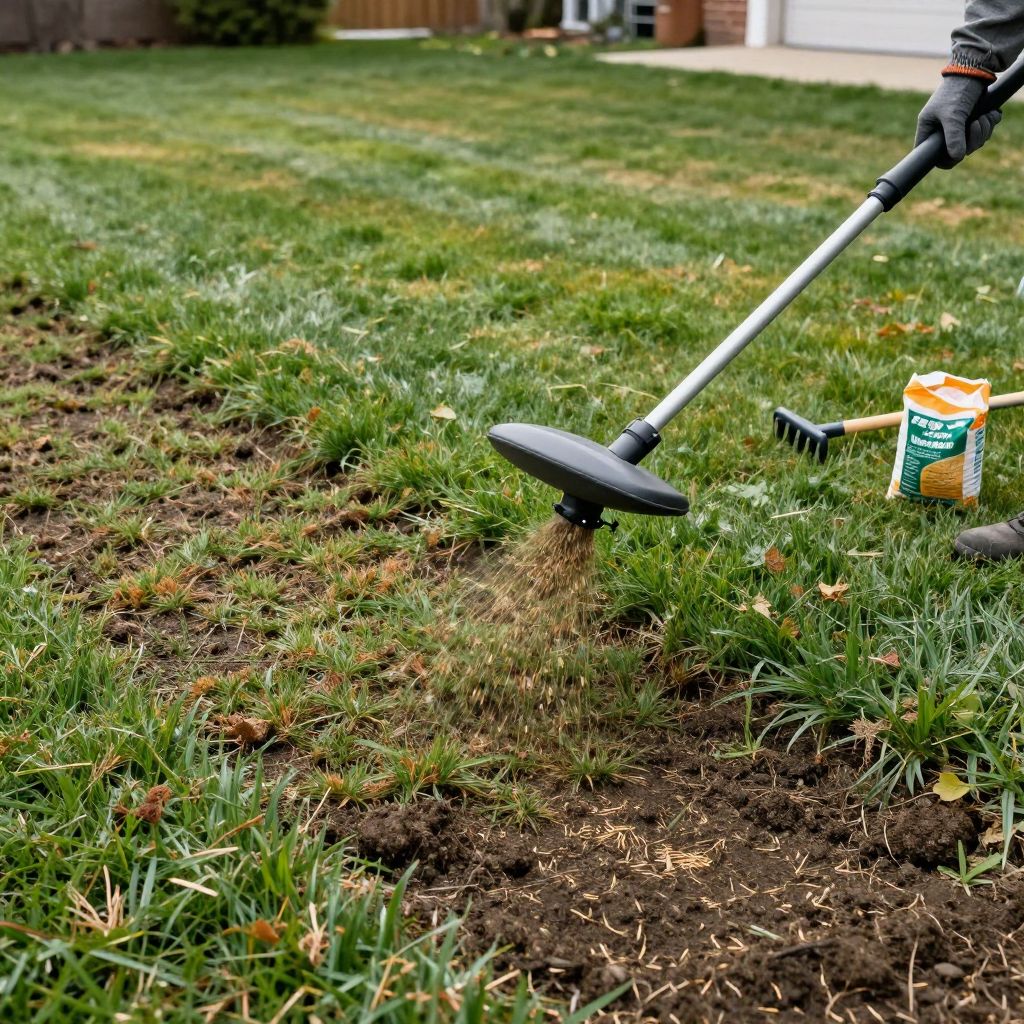
Wondering when to reseed lawn so the new grass actually takes hold? Timing matters more than most people realize, because seed needs the right soil temperature, moisture, and light to germinate well. Reseeding at the wrong time can mean thin results, more weeds, and wasted effort.
The best window depends on your climate and grass type, but in many regions the most reliable time is early fall for cool-season lawns and late spring to early summer for warm-season lawns. The goal is to give seedlings enough time to root before heat, cold, drought, or heavy foot traffic stress them.
When to reseed lawn?
Reseed lawn when your grass is actively growing and the weather is mild enough for seedling establishment. For cool-season grasses, early fall is usually best; for warm-season grasses, late spring through early summer is often ideal. Avoid reseeding during extreme heat, drought, or just before frost.
Why timing matters so much
Grass seed germinates best when soil temperatures match the grass type’s growth cycle. If you seed too early in cold soil, germination is slow and patchy. If you seed too late, young grass may not have time to root deeply before stress arrives.
Good timing also helps you beat weeds. Dense, healthy turf shades the soil and makes it harder for weed seeds to sprout.
Cool-season vs. warm-season lawns
- Cool-season grasses such as Kentucky bluegrass, perennial ryegrass, tall fescue, and fine fescues grow best in cooler weather.
- Warm-season grasses such as bermudagrass, zoysia, centipedegrass, and St. Augustinegrass establish best when soil and air are warm.
- If you are not sure which grass you have, look at how it behaves through summer and winter, or ask a local garden center or extension office.
Best time to reseed by season
Early fall: the top choice for many lawns
For most cool-season lawns, early fall is the sweet spot. Soil is still warm enough for quick germination, air temperatures are gentler, and weeds are usually less aggressive than in spring.
Fall reseeding also gives seedlings several weeks of strong root growth before winter. That head start often leads to a thicker lawn the next year.
Spring: useful, but not always ideal
Spring reseeding can work, especially if you missed fall or have bare spots that need attention. The downside is that seedlings may face summer heat before they are fully established.
If you seed in spring, plan to water carefully and avoid heavy fertilizer or aggressive weed control that could damage young grass.
Late spring to early summer: best for warm-season lawns
Warm-season grasses need warm soil to germinate and spread well. Reseed or overseed when temperatures are steadily warm and frost is no longer a concern.
These grasses usually struggle if seeded too early in cool soil, so patience pays off. Wait until your lawn is actively growing and nighttime temperatures are consistently mild to warm.
Late summer and winter: usually poor choices
Late summer can be too hot and dry in many areas, while winter is too cold for most seed to establish. In both cases, germination is slow or unreliable, and seedlings are more likely to die back.
If you must reseed outside the ideal window, be prepared for slower results and more intensive watering and protection.
How to tell if your lawn is ready for reseeding
Before you spread seed, make sure the lawn can support new growth. Seed performs best when the existing grass is thin but still alive, and when the soil is workable.
- The soil is moist but not soggy.
- Daytime temperatures are moderate for your grass type.
- You can keep the area evenly watered for several weeks.
- There is enough sunlight for the grass you are growing.
- Weeds are under control, or you can manage them without harming seedlings.
Step-by-step: how to reseed a lawn
- Identify the grass type. Match the seed to your existing lawn whenever possible for a more even look and growth habit.
- Mow low and remove debris. Cut the lawn shorter than usual and rake away leaves, thatch, and dead grass so seed can reach the soil.
- Loosen the surface. Lightly rake, core-aerate, or scarify thin areas so seed has good soil contact.
- Add a thin layer of compost or topsoil if needed. A light topdressing can improve seed-to-soil contact and help hold moisture, but do not bury the seed deeply.
- Spread seed evenly. Use a broadcast or drop spreader for larger areas, or hand-sow small patches carefully.
- Cover lightly. Rake very gently or topdress with a thin layer of compost, soil, or straw as appropriate for your lawn type and local conditions.
- Water gently and consistently. Keep the top layer of soil moist until germination, then gradually shift to deeper, less frequent watering.
What kind of soil and site conditions help reseeding succeed?
Seed establishes best in loose, fertile, well-drained soil with enough sun for the grass species you are growing. Compacted clay, poor drainage, and heavy shade all make reseeding harder.
If your lawn has standing water after rain, fix the drainage problem first or the new grass may fail. If the site is shaded, choose a shade-tolerant grass mix or accept that some areas may never thicken fully.
Soil preparation that makes a difference
- Test the soil if the lawn has repeated thin spots or poor growth.
- Break up compacted areas with core aeration or hand tools.
- Topdress with compost only in a thin layer so seedlings can still emerge easily.
- Level small dips and low spots where water collects.
Watering new seed the right way
New seed needs steady moisture, but not puddles. The surface should stay damp during germination, because drying out even once can stop or weaken sprouting.
After seedlings emerge, shift to deeper watering less often so roots grow downward. That transition is important; constantly wet soil can encourage disease and shallow roots.
Common watering mistakes
- Letting the seedbed dry out completely.
- Using a strong spray that washes seed into piles or bare spots.
- Overwatering until the soil becomes muddy or crusted.
- Switching too quickly to a normal lawn watering schedule.
Fertilizer, weed control, and mowing after reseeding
Young grass is sensitive, so keep maintenance simple at first. A starter fertilizer may help in some lawns, but only if your soil and seedbed are ready and you follow local recommendations.
Avoid weed killers unless the label specifically says they are safe for newly seeded lawns. Many herbicides can stop germination or injure seedlings.
When to mow after seeding
Mow only when the new grass is tall enough to cut without stress, usually after it has rooted well and reached a mowable height for your grass type. Use a sharp blade and remove no more than one-third of the leaf height at a time.
Problems that can ruin reseeding
Seed washes away or clumps
This usually happens when the soil is too bare or watering is too forceful. Lightly rake the area, reseed, and water with a gentler spray.
Poor germination
Common causes include old seed, cold soil, dry conditions, or poor seed-to-soil contact. Check the seed label for freshness and match your timing to the grass type.
Birds, pets, and foot traffic
Seed can be eaten, disturbed, or trampled before it establishes. Use light protection if needed, and keep people and pets off the area until the new grass is rooted.
Weeds outcompete seedlings
Thin lawn areas often invite weeds. Reseed at the right time, prepare the soil well, and avoid disturbing the area more than necessary so grass can fill in first.
Should you overseed or fully reseed?
If the lawn is thin but still mostly healthy, overseeding may be enough. If large sections are bare, damaged, or full of weeds, you may need to renovate those areas more thoroughly before reseeding.
- Overseeding adds seed to an existing lawn to thicken it.
- Spot reseeding repairs small bare patches.
- Full reseeding is better for lawns with widespread damage or very poor turf density.
A simple seasonal checklist
- Choose the right season for your grass type.
- Prepare the soil so seed can contact the surface.
- Keep the area evenly moist until germination.
- Protect seedlings from traffic and harsh weather.
- Mow carefully only after the new grass is established.
Conclusion
If you are deciding when to reseed lawn, aim for the season when your grass naturally grows best and the weather is mild enough for steady establishment. For many cool-season lawns, that means early fall; for warm-season lawns, it usually means late spring to early summer. Prepare the soil, water consistently, and give seedlings time to root before stress hits.
For more practical lawn care help, you may also want to read about how to aerate a lawn and how to fix bare patches in grass.