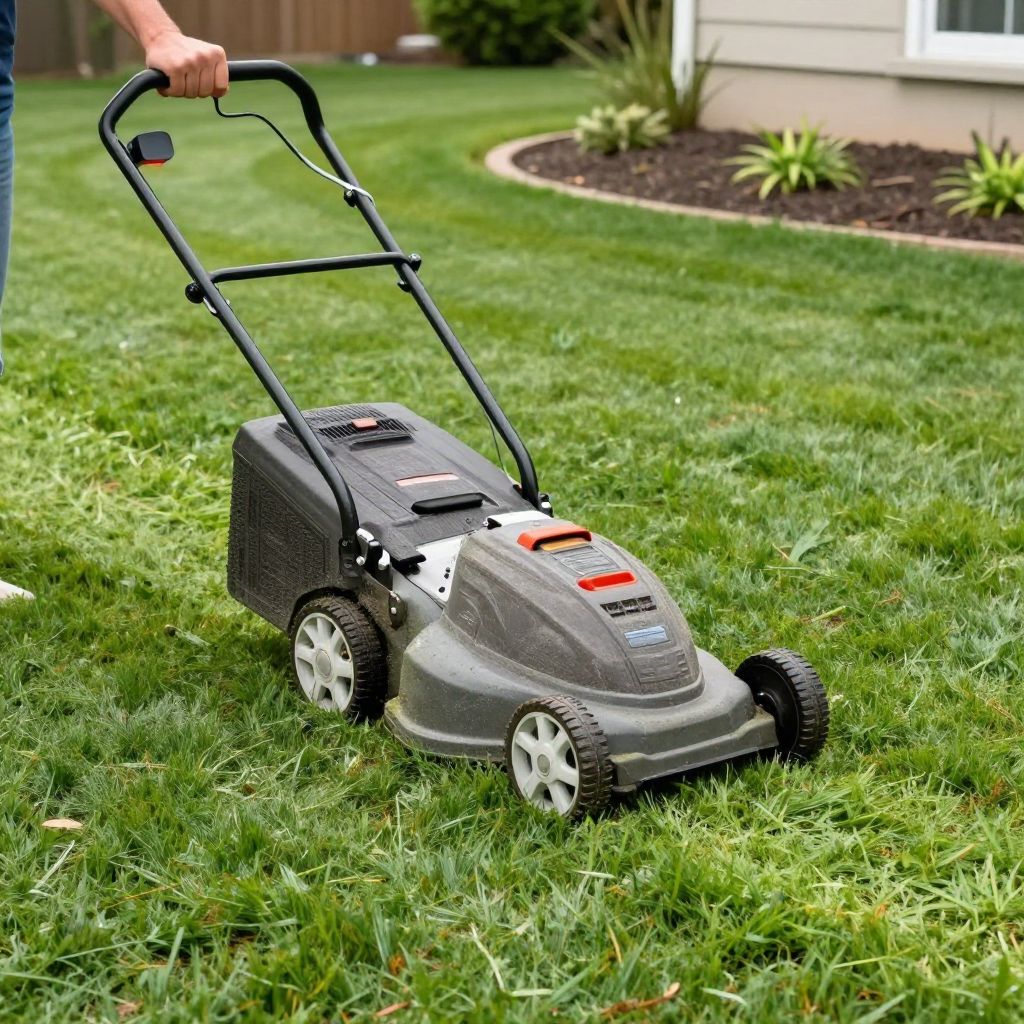
Are electric lawn mowers good? For many home gardens, yes—they can be an excellent choice if you want quieter mowing, less maintenance, and no fuel storage. The best mower for you depends on your lawn size, terrain, grass type, and how often you mow.
They are not perfect for every yard, though. Battery runtime, charging time, and cutting power can matter a lot, especially on thick or overgrown grass, so it helps to know what to expect before you buy.
Are electric lawn mowers good for most gardens?
Yes, electric lawn mowers are good for many typical home lawns, especially small to medium yards with regular mowing. They are easier to start, lighter to handle, and usually require less upkeep than gas mowers. The best results come when you mow often enough that the grass never gets too tall or wet.
Why many gardeners choose electric mowers
Electric mowers have become popular because they fit the way many people maintain a home landscape. If your lawn is fairly level and you mow on a routine schedule, they can be a practical, low-fuss tool.
Key advantages
- Lower maintenance: No spark plugs, oil changes, carburetors, or fuel stabilizer.
- Quieter operation: Better for neighborhoods and early mowing without as much noise.
- Cleaner use: No exhaust fumes during mowing.
- Easy starting: Push-button or simple trigger start is helpful for beginners.
- Lighter weight: Often easier to push, steer, and store.
Where they shine in the garden
Electric mowers work especially well in smaller suburban lawns, front yards, and landscaped spaces with tight turns. They can also be a good fit if you have limited storage space or prefer a tool that is simple to clean after use.
When an electric mower may not be the best fit
Electric mowers are not ideal for every situation. If your lawn is very large, steep, rough, or often overgrown, you may run into limits that make mowing slower or less efficient.
Common challenges
- Battery runtime: A single charge may not cover a large property.
- Charging delays: You may need to wait before finishing the job.
- Wet or dense grass: Thick growth can reduce cutting performance.
- Uneven terrain: Heavy bumps, slopes, and ruts can be harder to manage.
- Long grass: If the lawn gets too tall, you may need multiple passes.
If your yard is large or highly demanding, a gas mower or a higher-capacity electric model may be more practical. The right choice depends less on the label and more on how your lawn actually grows.
Battery-powered vs. corded electric mowers
There are two main types of electric lawn mowers: battery-powered and corded. Each has strengths, and the better option depends on your lawn layout and how you like to work.
Battery-powered mowers
Battery mowers offer the most freedom of movement. They are usually the better choice if you want to mow without managing a cord, especially around trees, beds, and pathways.
- Best for lawns with obstacles or irregular shapes
- Useful if you want to mow farther from an outlet
- Runtime depends on battery size, grass thickness, and mowing height
Corded electric mowers
Corded mowers can be a good fit for smaller lawns close to a power source. They typically run as long as you need, but the cord takes planning and care.
- Best for compact lawns with simple layouts
- No battery charging required
- You must avoid cutting or tangling the cord
Practical rule: If your lawn is small and simple, corded may be enough. If your lawn has beds, trees, or awkward corners, battery-powered is usually easier.
What to look for before you buy
Choosing the right mower matters more than choosing the “best” type in general. A mower that suits your lawn will give cleaner cuts and fewer frustrations.
Helpful buying considerations
- Cutting width: Wider decks cover more ground but can be harder to maneuver in tight areas.
- Battery voltage or capacity: Higher-capacity batteries often handle tougher mowing better, but weight may increase too.
- Self-propelled function: Useful on slopes or if you want less pushing.
- Mulching, bagging, or side discharge: Choose the cutting style that fits your lawn care routine.
- Deck height adjustment: Easy height changes help you adapt to seasonal growth.
Do not assume a mower will handle every lawn condition equally well. A model that performs beautifully on a short, dry suburban lawn may struggle on thick spring growth or damp, uneven turf.
How to get the best results from an electric mower
Good mowing habits matter as much as the machine itself. Electric mowers work best when you support them with smart lawn care and regular maintenance.
Before mowing
- Check the lawn for sticks, stones, toys, and other debris.
- Make sure the grass is dry enough to cut cleanly.
- Set the cutting height based on your grass type and current growth.
- Charge the battery fully, or confirm the cord route if using a corded mower.
During mowing
- Mow when the grass is not wet from rain or heavy dew.
- Overlap each pass slightly for an even cut.
- Slow down in thick patches rather than forcing the mower through.
- Raise the deck if the grass is getting too tall.
After mowing
- Brush or wipe grass clippings from the deck and wheels.
- Check the blade for dullness or damage.
- Store the battery in a dry place according to the manufacturer’s guidance.
- Keep the mower in a sheltered, dry location.
Seasonal lawn care tips that improve electric mower performance
Electric mowers are easier to use when the lawn itself is in good condition. Seasonal lawn care can reduce stress on the mower and improve the quality of the cut.
Spring
Spring growth is often fast and uneven. Start mowing when the grass is actively growing and tall enough to need trimming, but avoid cutting too much at once.
- Follow the one-third rule: remove no more than one-third of the grass blade in a single mowing.
- If the lawn has grown too long, mow in two passes at different heights.
- Keep blades sharp for a cleaner cut on tender spring growth.
Summer
In hot weather, raising the mowing height slightly can help turf hold moisture and reduce stress. This also reduces the load on the mower.
- Mow less aggressively during heat or drought.
- Water deeply when needed rather than lightly every day, if your grass type and local conditions call for it.
- Avoid mowing during the hottest part of the day.
Fall
Fall mowing often supports recovery before winter. Keep the lawn tidy, but do not scalp it late in the season.
- Continue mowing as long as grass is growing.
- Keep leaves from piling up too heavily before mowing.
- Store the mower and battery properly when growth slows.
Common problems and how to fix them
Most electric mower issues are practical, not complicated. A few small adjustments can solve many of the common frustrations gardeners run into.
The mower leaves straggly or uneven grass
This often happens when the blade is dull, the grass is too tall, or the mower is moving too fast.
- Sharpen or replace the blade if the cut looks torn.
- Raise the deck and make a second pass if needed.
- Mow more often so the grass stays in a manageable range.
The mower bogs down in thick grass
Dense growth can overload the motor or reduce battery life.
- Cut only when the grass is dry.
- Slow your walking pace.
- Use a higher cutting height for the first pass.
- Do not try to remove too much grass at once.
The battery runs out too quickly
Battery life can drop when grass is long, wet, or very thick. Cold weather can also reduce performance.
- Charge the battery fully before mowing.
- Store batteries in a moderate temperature range when possible.
- Keep blades sharp so the motor works less hard.
- Consider a second battery if your lawn is larger.
The cord gets in the way
With corded mowers, the biggest mistake is poor cord management.
- Plan your mowing pattern before starting.
- Keep the cord behind you and away from the cutting path.
- Use an outdoor-rated extension cord of appropriate length and gauge.
Maintenance tips to keep an electric mower working well
Electric mowers are low-maintenance, but they are not maintenance-free. A few simple habits will extend their life and help them cut more cleanly.
- Clean after use: Remove grass buildup from under the deck and around the wheels.
- Inspect the blade: A sharp blade gives a better finish and reduces strain.
- Check fasteners: Loose parts can cause vibration and poor performance.
- Care for batteries: Follow the manufacturer’s storage and charging instructions.
- Store dry: Keep the mower out of rain and damp conditions.
If you are used to gas mowers, one of the biggest benefits of electric models is how little routine engine care they need. That said, blade care and cleaning still matter a great deal.
So, are electric lawn mowers good for you?
Electric lawn mowers are a very good option for many gardeners, especially if your lawn is small to medium in size and you mow regularly. They are convenient, quieter, and easier to maintain than many gas models, but they work best when matched to the right yard conditions.
If you are deciding whether to switch, start by measuring your lawn, thinking about slopes and obstacles, and considering how often you mow. For more mower care guidance, you may also find it helpful to read about what kind of oil a lawn mower takes, especially if you are comparing electric and gas maintenance needs.