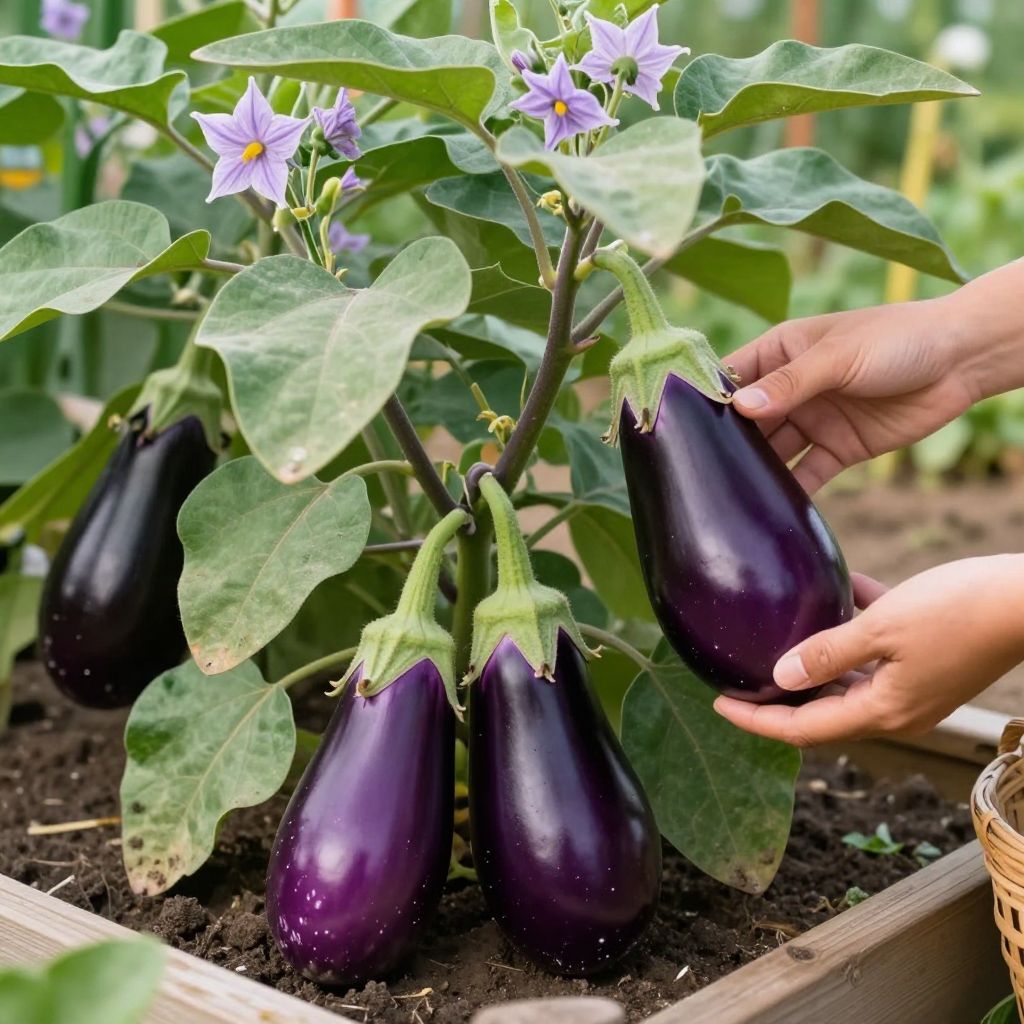
Wondering when are eggplants in season and how to grow them well in your own garden? The answer depends on your climate, but eggplants are generally a warm-season crop that ripens in summer through early fall. They need heat, long days, and steady care to produce tender, glossy fruits.
If you want the best flavor and texture, timing matters from planting to harvest. Eggplants are sensitive to cold, so success starts with warm soil, healthy transplants, and consistent watering once the plants are growing.
When are eggplants in season?
Eggplants are typically in season from midsummer through early fall, with the exact harvest window depending on your local frost dates and summer heat. In warm climates, they may produce for a longer stretch; in cooler areas, the season is shorter and often peaks in late summer.
Understanding eggplant season by climate
Eggplants are a warm-season vegetable, so their “season” is less about a fixed calendar month and more about temperature. They grow best when days are warm, nights are mild, and the soil has had time to heat up.
What eggplants need to grow well
- Warm soil: Cold soil slows growth and can stunt young plants.
- Full sun: Aim for at least 6 to 8 hours of direct sunlight daily.
- Long, frost-free season: Eggplants need time to mature before cool weather returns.
- Consistent moisture: Uneven watering can stress plants and affect fruit quality.
In many home gardens, eggplants are planted outdoors after the danger of frost has passed and harvested from mid- to late summer. If your growing season is short, choose the warmest spot you have and start with transplants rather than direct-seeding.
How to adapt timing to your area
Because weather varies so much, use your local frost dates as a guide rather than a fixed date on the calendar. If spring stays cool where you live, wait longer before planting out. If your summers are hot and long, you may have a wider harvest window.
When to plant eggplants
Plant eggplants outdoors only after nights are reliably warm and the soil has warmed. Many gardeners start seeds indoors 8 to 10 weeks before the last expected frost, then transplant seedlings once outdoor conditions are suitable.
Starting seeds indoors
Eggplant seeds germinate best in warm conditions. A heat mat can help if your indoor space is cool, and seedlings should be given strong light so they do not become leggy.
- Sow seeds in a sterile seed-starting mix.
- Keep the mix evenly moist, not soggy.
- Provide warmth and bright light as soon as seedlings emerge.
- Pot up seedlings if roots fill the starter cells.
- Harden off plants gradually before moving them outside.
Transplanting outdoors
Move seedlings into the garden after frost danger has passed and the soil is warm enough to encourage growth. A cold snap can set plants back, so it is better to wait than to rush planting.
- Choose a sunny, sheltered site.
- Set transplants at the same depth they were growing in pots.
- Water well after planting.
- Mulch lightly once the soil has warmed.
Best growing conditions for eggplants
Eggplants perform best in fertile, well-drained soil with plenty of organic matter. They are not heavy feeders in the sense of needing constant fertilizer, but they do appreciate a rich planting bed and steady care through the season.
Soil and compost
Work compost into the bed before planting to improve soil structure and moisture retention. Good drainage is important because eggplant roots dislike sitting in waterlogged soil.
- Use soil that drains well after rain.
- Mix in compost or well-rotted organic matter.
- Avoid planting in compacted or soggy ground.
Sunlight and spacing
Full sun helps plants flower and set fruit. Give each plant enough room so air can move around the foliage, which helps reduce disease pressure and makes it easier to inspect for pests.
Space plants according to the variety and your garden layout, but avoid crowding. Overly tight spacing can lead to smaller harvests and more pest problems.
Care during the growing season
Once eggplants are established, the main job is keeping them growing steadily. Stress from drought, cold, or nutrient imbalance often shows up as poor flowering, small fruit, or blossom drop.
Watering
Water deeply and consistently, especially during flowering and fruit development. Irregular watering can make fruit tough or bitter and may contribute to blossom end rot in stressed plants.
- Water at the base of the plant when possible.
- Keep foliage as dry as practical to help limit disease.
- Mulch to reduce moisture swings and suppress weeds.
Feeding
Eggplants usually do best in soil enriched before planting. If growth is weak or leaves are pale, the plant may need a light, balanced feeding based on your soil conditions and the stage of growth.
Avoid overfeeding with nitrogen. Too much nitrogen can produce lush leaves but fewer flowers and fruits.
Pruning and support
Some gardeners lightly prune eggplants to improve airflow or remove damaged leaves, but heavy pruning is usually unnecessary. Taller plants often benefit from staking or a cage to keep fruit off the ground and reduce stem breakage.
- Remove broken, diseased, or yellowing leaves as needed.
- Support branches before fruit becomes heavy.
- Keep the plant open enough for light and air to reach the center.
Common pests and diseases
Eggplants can be bothered by insects and diseases that are more likely when plants are stressed or crowded. Regular inspection helps you catch problems early, while healthy growing conditions reduce the risk.
Common pests
- Flea beetles: Tiny holes in leaves, especially on young plants.
- Aphids: Clusters of soft-bodied insects on new growth.
- Colorado potato beetles: Can defoliate plants in some regions.
- Spider mites: More common in hot, dry weather.
Use row cover early in the season if flea beetles are a recurring issue, but remove it once plants begin flowering so pollinators can reach the blossoms. Hand-picking, strong water sprays, and prompt removal of heavily infested leaves can also help.
Common diseases
- Blossom end rot: Often linked to uneven watering and calcium uptake issues.
- Fungal leaf spots: More likely in humid, crowded plantings.
- Wilts: Can cause yellowing, drooping, or sudden decline.
Good spacing, clean tools, crop rotation, and avoiding overhead watering can reduce disease pressure. If a plant collapses or shows severe wilting, remove it promptly to limit spread.
How to tell when eggplants are ready to harvest
Eggplants are usually ready when the skin is glossy, the fruit feels firm, and the size matches the variety’s mature stage. Harvesting at the right time is important because overripe eggplants can become dull, seedy, and bitter.
Harvesting signs
- The skin is shiny and smooth.
- The fruit feels firm but not hard as wood.
- The flesh springs back slightly when pressed.
- The stem is green and healthy-looking.
Use a sharp knife, pruners, or garden snips to cut the fruit with a short stem attached. Do not twist it off by hand, since that can damage the plant.
Why timing matters at harvest
Harvesting regularly encourages the plant to keep producing. If fruits are left too long, the plant may slow down and the texture of the fruit can decline.
Extending the eggplant season
If your season is short, you can still get a good harvest by planning ahead. The goal is to give plants the warmest, longest possible growing window.
- Start seeds indoors early enough to transplant sturdy seedlings.
- Use black plastic or another soil-warming method if appropriate for your garden.
- Choose a south-facing, wind-sheltered site.
- Protect plants from unexpected cool nights with row cover or cloches.
In cooler regions, containers can help because pots warm faster than in-ground beds. Just remember that container-grown eggplants dry out more quickly and may need closer attention to watering.
Common mistakes to avoid
Most eggplant problems come from cold, stress, or poor timing. Avoid these common mistakes if you want a better harvest.
- Planting too early into cold soil.
- Letting seedlings become rootbound before transplanting.
- Giving too much nitrogen and too little sun.
- Allowing soil to dry out unevenly.
- Waiting too long to harvest ripe fruit.
Eggplants are often easiest to grow when you treat them as a true summer crop, not a spring crop. Warmth and consistency matter more than almost anything else.
Conclusion
When are eggplants in season? In most gardens, they are a midsummer to early fall crop, with planting after frost and harvest once fruits are glossy and firm. Start with warm soil, full sun, and steady moisture, and your plants will have the best chance to produce well.
If you want to grow more warm-season vegetables successfully, consider reading more about how to grow tomatoes and container vegetable gardening for related planting and care tips.