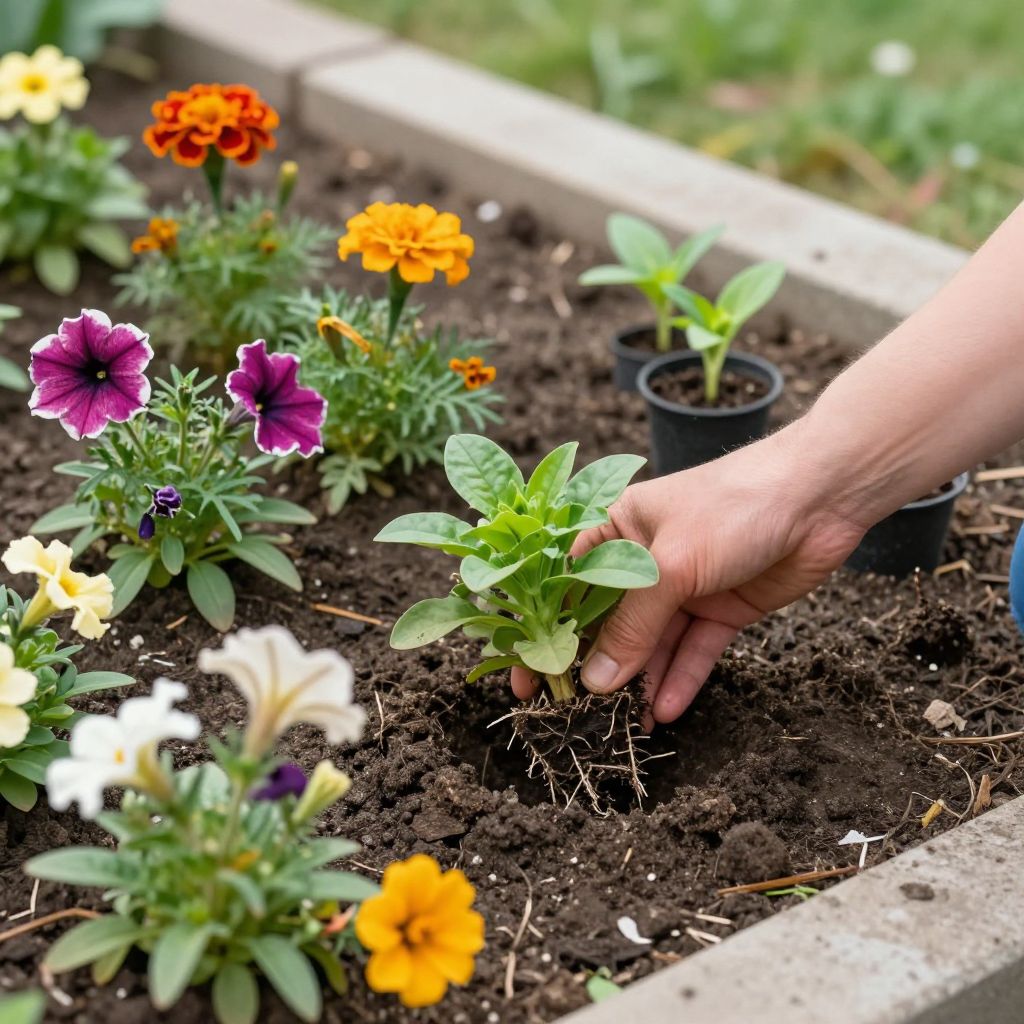
Do annual plants come back every year? Usually, no. Annuals are plants that complete their life cycle in one growing season, then die after flowering and setting seed. If you want the same plant to return next year, you usually need to replant it, unless it self-seeds or you’re actually growing a short-lived perennial or tender perennial that behaves differently in your climate.
The good news is that annuals are still easy to enjoy year after year with a little planning. Once you understand which plants are true annuals, which are self-seeders, and which may survive mild winters, you can design a garden that stays colorful without confusion or disappointment.
Do annual plants come back every year?
True annual plants do not come back every year because they grow from seed, flower, set seed, and die in one season. However, some annuals return indirectly by dropping seed that germinates the next year, and a few plants sold as annuals may act like short-lived perennials in frost-free or very mild climates.
What makes a plant an annual?
An annual plant completes its entire life cycle in one growing season. It germinates, grows, blooms, produces seed, and then dies. Common garden annuals include marigolds, zinnias, petunias, cosmos, and impatiens, though exact performance depends on climate and whether the plant is grown outdoors or in containers.
Annual vs. perennial vs. biennial
- Annual: lives one season.
- Perennial: lives for multiple years and returns from the same root system.
- Biennial: usually grows foliage the first year and flowers the second year before dying.
This distinction matters because care, pruning, and overwintering needs are different. If you buy a plant expecting it to return and it is truly an annual, you’ll need to replace it the following season.
Why some annuals seem to come back
Some annuals appear to return because they self-seed. The original plant dies, but seeds left in the soil sprout when conditions are right. In other cases, a plant survives winter in a warm climate, a sheltered spot, or indoors, so it behaves more like a tender perennial than a true annual.
Self-seeding annuals
Self-seeding annuals can make a bed look as if the plants came back on their own. Examples may include calendula, alyssum, larkspur, and some poppies, depending on local conditions and garden management.
If you want this effect, let some flowers go to seed, avoid heavy cleanup in late season, and allow seedlings to emerge in spring. If you do not want volunteers, deadhead spent blooms before seed forms and remove seedlings early.
Tender plants and frost-free gardens
In frost-free or very mild regions, some plants sold as annuals may survive longer than one season. Geraniums, coleus, and begonias are often treated as annuals in colder areas but may persist as tender perennials where winters are gentle.
Even then, survival depends on temperature, drainage, and winter moisture. A plant that survives in one yard may fail in another just a few miles away if the microclimate is different.
How to tell if your plant will return
Check the plant label or seed packet first. If it says annual, expect to replant it. If the label says perennial or tender perennial, it may return if your climate supports it. When in doubt, look at the plant’s cold tolerance, root structure, and whether it is known to self-seed.
Questions to ask before you plant
- Is it labeled annual, perennial, or biennial?
- Does it need frost protection?
- Can it survive in your local winter temperatures?
- Is it likely to self-seed in your garden?
- Will it grow in the sun, shade, or container conditions you have?
If you garden in containers, remember that pots expose roots to more temperature swings than in-ground beds. A plant that survives outdoors in the ground may not survive in a pot unless the container is protected.
How to keep annuals healthy for the whole season
Annuals are fast growers, so they need steady care to bloom well. The goal is not winter survival, but strong growth, continuous flowering, and good seed production if you want volunteers next year.
Sunlight
Most flowering annuals perform best in full sun, which usually means at least 6 hours of direct light daily. Some, such as impatiens and begonias, prefer partial shade and may scorch in intense afternoon sun.
If blooms are sparse, poor light is often the reason. Move containers, thin nearby plants, or choose a better site next season.
Soil and drainage
Annuals generally do best in fertile, well-drained soil. Heavy clay that stays wet can cause root stress, while very sandy soil may dry out too quickly. Mixing in compost improves soil structure, moisture retention, and nutrient availability.
- Work compost into garden beds before planting.
- Use containers with drainage holes.
- Avoid planting annuals in low spots that collect water.
Good drainage is especially important if you want any plant to overwinter. Winter wetness can kill roots even in areas where cold is not extreme.
Watering
Water annuals deeply enough to moisten the root zone, then let the soil surface begin to dry before watering again. Frequency depends on heat, wind, rainfall, soil type, and container size, so check the soil rather than following a fixed calendar.
A simple test is to feel the soil 1 to 2 inches below the surface. If it feels dry, water. If it still feels moist, wait.
Feeding
Many annuals bloom better with moderate feeding, especially in containers where nutrients wash out quickly. Use compost-rich soil as your base, then supplement only if growth is weak or flowering slows. Too much nitrogen can produce lush leaves with fewer flowers.
Should you deadhead annuals?
Yes, for many flowering annuals, deadheading helps keep plants blooming longer. Removing spent flowers prevents the plant from putting energy into seed production too early. It also keeps the plant tidy and reduces the chance of disease on decaying petals.
When to deadhead
- Remove faded blossoms regularly during the season.
- Pinch back leggy growth to encourage branching.
- Stop deadheading late in the season if you want self-seeding.
Not every annual needs deadheading to the same degree. Some modern varieties are bred to bloom continuously with little cleanup, while others benefit greatly from regular trimming.
Can you save annuals for next year?
Usually, you cannot save a true annual outdoors over winter. But you may be able to save seed, take cuttings from certain tender plants, or bring container-grown specimens indoors if they tolerate indoor conditions. These methods are not the same as the plant naturally returning in the garden.
Saving seed
Seed saving is the most practical way to “keep” annuals from year to year. Let seed heads dry on the plant, collect them before they shatter, and store them in a cool, dry place. Label the packet with the plant name and year.
Keep in mind that hybrid plants may not grow true from saved seed, so the next generation can look different from the parent plant.
Overwintering tender annuals indoors
Some plants commonly grown as annuals can be overwintered indoors if you have bright light and enough space. This is most often done with coleus, geraniums, and some begonias. Bring them in before frost, inspect for pests, and reduce watering as growth slows.
- Use clean pots and fresh potting mix if repotting.
- Place plants near the brightest window you have.
- Water less often in winter, but do not let the root ball dry out completely.
- Watch for aphids, whiteflies, and spider mites indoors.
Indoor overwintering is a maintenance project, not a guarantee. If light is weak or pests spread, replacing the plant in spring may be easier.
Common mistakes gardeners make with annuals
The most common mistake is assuming every colorful bedding plant will return next year. Another is overwatering, especially in containers, where roots can sit in soggy soil and rot. Crowding plants too tightly also reduces airflow and increases disease pressure.
Problems to watch for
- Leggy growth: usually caused by low light.
- Few flowers: often caused by too much shade or too much nitrogen.
- Yellowing leaves: may signal poor drainage, inconsistent watering, or nutrient issues.
- Mildew and leaf spots: more likely when plants are crowded and foliage stays wet.
If an annual is declining before the season ends, check light, water, and spacing first. Many problems are cultural rather than caused by pests.
Best ways to design a garden with annuals
If you enjoy annuals for their color and flexibility, plan for replanting rather than expecting them to return. Use them as seasonal accents around shrubs, perennials, and bulbs so your garden still has structure after annuals fade.
Practical design tips
- Mix annuals with perennials for longer-lasting beds.
- Plant in waves so something is always in bloom.
- Use containers near entryways or patios for easy seasonal refreshes.
- Choose a few self-seeding annuals if you want a softer, more natural look.
This approach gives you dependable color without relying on a plant to do something it was never meant to do.
Bottom line
Do annual plants come back every year? True annuals do not, but some self-seed, and a few tender plants may survive in mild climates or indoors. For the best results, identify the plant correctly, grow it in the right light and soil, and decide ahead of time whether you want to replant, save seed, or overwinter it.
If you want to plan a garden that returns with less effort, consider pairing annual color with longer-lived plants and reading more about how to choose perennials for your garden and how to save flower seeds for next season.