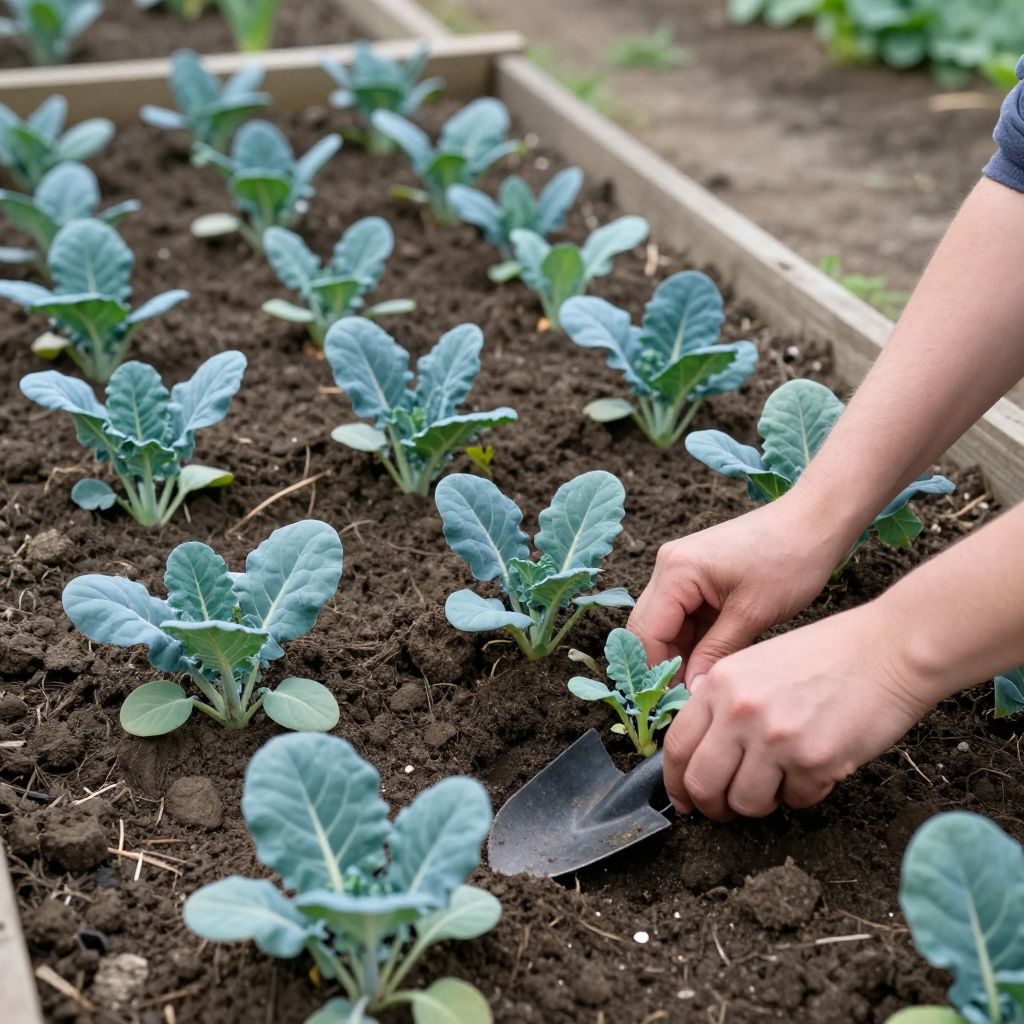
Wondering when to plant collard greens so they grow tender, flavorful leaves instead of bolting or stalling? Timing matters because collards are a cool-season crop, and the best planting window changes with your climate, season length, and whether you’re starting from seed or transplants.
The good news: once you match planting time to your local weather, collard greens are straightforward to grow. With the right soil, steady moisture, and a little pest watchfulness, you can harvest leafy greens for weeks.
When To Plant Collard Greens?
Plant collard greens in cool weather, usually in early spring for a spring crop and late summer to early fall for a fall crop. In most climates, fall planting gives the best flavor because cool temperatures improve leaf quality and reduce bolting. Start seeds indoors or outdoors about 4 to 6 weeks before the best transplanting window in your area.
Why planting time matters for collards
Collard greens (Brassica oleracea var. acephala) grow best when temperatures are mild. Too much heat can make plants grow quickly, become bitter, or bolt early. Too much cold can slow growth, although established plants usually tolerate light frost well.
Because of that, the “best” time is less about a calendar date and more about your local temperature pattern. You want the plants to establish while conditions are cool, then keep producing as the weather stays mild.
Spring planting
Spring planting works best where spring stays cool for a long enough stretch. Sow seeds or transplant seedlings after the soil can be worked and before hot weather arrives. If your area jumps quickly from cool to hot, spring collards may be short-lived.
Fall planting
Fall is often the easiest season for collards. Plant them early enough that they have time to size up before the first hard freeze, but late enough that the hottest part of summer has passed. In many regions, fall crops taste sweeter after a light frost.
How to choose the right planting window for your climate
Instead of relying on a fixed date, use your local frost dates and average temperatures as your guide. Collards do best when daytime temperatures are generally in the mild range, not during prolonged heat waves.
- Cool spring regions: Plant as soon as the soil is workable and nights are no longer severely cold.
- Hot-summer regions: Focus on late summer and fall planting for the best results.
- Mild-winter regions: You may be able to plant through much of the cool season and harvest for a long period.
- Short-season gardens: Start transplants indoors so you can get a head start before the outdoor window closes.
If you are unsure, check your average last spring frost and first fall frost, then count backward or forward based on how long your local weather stays cool. Collards handle a bit of chill, but they need enough time to root and leaf out before extremes arrive.
Starting collard greens from seed or transplants
You can grow collards from seed directly in the garden or transplant young seedlings. Direct sowing is simple, while transplants help you beat heat or shorten the time to harvest.
Direct sowing outdoors
Sow seeds about 1/4 to 1/2 inch deep in prepared soil. Keep the seedbed evenly moist until germination, which usually takes about a week or two depending on temperature.
Thin seedlings so each plant has room to mature. Crowded collards compete for light, water, and nutrients, which can lead to smaller leaves and more pest problems.
Using transplants
Transplants are useful when you want a faster harvest or when your season is too short for direct sowing alone. Set seedlings into the garden when they are sturdy enough to handle outdoor conditions and after hardening them off gradually.
Hardening off matters. Move transplants outdoors for a few hours a day over 7 to 10 days so they adjust to sun, wind, and temperature changes before planting permanently.
Best growing conditions for collard greens
Collards are not fussy, but they do best when you give them the basics they need from the start. Healthy soil and steady moisture make a bigger difference than most beginners expect.
Sunlight
Give collards full sun for the strongest growth, especially in cooler seasons. In very warm regions, a little afternoon shade can help slow stress and keep leaves tender longer.
Soil
Use fertile, well-drained soil rich in organic matter. A loamy garden bed is ideal, but collards can adapt if you improve the soil first with compost.
Before planting, work in several inches of compost to help with texture, moisture retention, and nutrient supply. Good drainage is important because soggy soil can weaken roots and invite disease.
Spacing
Give each plant enough room to spread. A typical spacing is about 18 to 24 inches apart, with rows spaced far enough apart for easy watering, weeding, and harvesting.
Closer spacing may work for baby leaves, but crowded plants are more likely to stay damp and attract pests.
How to plant collard greens step by step
- Choose a site with full sun and well-drained soil.
- Loosen the soil and mix in compost.
- Sow seeds or set transplants at the recommended spacing.
- Water thoroughly after planting.
- Mulch lightly to help conserve moisture and reduce weeds.
- Keep the soil evenly moist while plants establish.
For direct-sown beds, mark rows clearly so you can thin seedlings before they become crowded. For transplants, plant at the same depth they were growing in their containers unless the stems are leggy and need slight support from deeper planting.
Watering, feeding, and maintenance
Collard greens grow best with consistent moisture. Irregular watering can make leaves tougher and can stress plants during warm spells.
Watering
Water deeply when the top inch or two of soil begins to dry. The goal is steady moisture, not waterlogged soil. Mulch helps keep the root zone cooler and reduces how often you need to water.
Feeding
If your soil is already rich in compost, collards may need little extra feeding at planting time. If growth slows or leaves look pale, a side dressing of compost can help. Avoid overfeeding with nitrogen-heavy fertilizer, which can lead to lush but weak growth and more pest pressure.
Weeding and mulching
Keep the bed weed-free, especially while plants are small. Weeds compete for moisture and nutrients, and they can make it harder to spot pests early.
A light mulch of straw, shredded leaves, or other clean organic material helps stabilize soil moisture and keeps the bed tidier.
Common pests and problems
Collards are hardy, but they can attract a few familiar brassica pests. Catching problems early is much easier than fixing a severe infestation later.
Cabbage worms and loopers
These caterpillars chew holes in leaves and can quickly damage young plants. Check leaf undersides regularly and remove pests by hand when possible. Fine mesh row cover can help prevent moths from laying eggs on your plants.
Aphids
Aphids cluster on tender growth and can distort leaves. A strong spray of water may knock them off, and encouraging beneficial insects can help keep populations down.
Flea beetles
These tiny beetles make small holes in leaves, especially on young seedlings. Row cover is one of the most effective prevention methods while plants are getting established.
Bolt-prone growth
If collards are planted too late in warm weather, they may send up flower stalks early. Once bolting starts, leaf quality usually declines. The best fix is prevention: plant in the right season and keep plants from heat stress.
Harvesting collard greens for the best flavor
You can begin harvesting when leaves are large enough to use, often from the outer portion of the plant first. Pick the oldest outer leaves and leave the center growing point intact so the plant keeps producing.
Harvesting regularly encourages continued growth. In cool weather, collards often stay productive for a long time, especially if you avoid stripping the plant too heavily all at once.
When leaves taste best
Collards usually taste sweetest after cool weather or a light frost. Hot weather can make leaves tougher and more bitter, so timing your planting well improves both yield and eating quality.
Can you plant collard greens in containers?
Yes, collard greens grow well in large containers if you give them enough root space and consistent moisture. Choose a pot with drainage holes and use a quality container mix enriched with compost.
Container-grown collards dry out faster than garden beds, so monitor moisture closely. This is especially important in warm weather or windy locations.
Common mistakes to avoid
- Planting too late in warm weather and expecting cool-season growth.
- Letting seedlings dry out during establishment.
- Overcrowding plants, which reduces air circulation.
- Using poorly drained soil that stays soggy after rain.
- Ignoring caterpillars and flea beetles until damage is severe.
- Harvesting too much at once from young plants.
Quick planting checklist
- Pick a cool-season window in spring or fall.
- Choose a sunny site with fertile, well-drained soil.
- Mix in compost before planting.
- Space plants 18 to 24 inches apart.
- Water consistently and mulch lightly.
- Watch for pests and harvest outer leaves regularly.
Conclusion
If you remember one thing, make it this: the best time to plant collard greens is during cool weather, not heat. Use your local frost dates, plant early enough for spring or late enough for fall, and give the plants rich soil, steady moisture, and room to grow.
For more cool-season gardening guidance, you may also want to read about how to grow kale and how to prepare garden soil with compost.