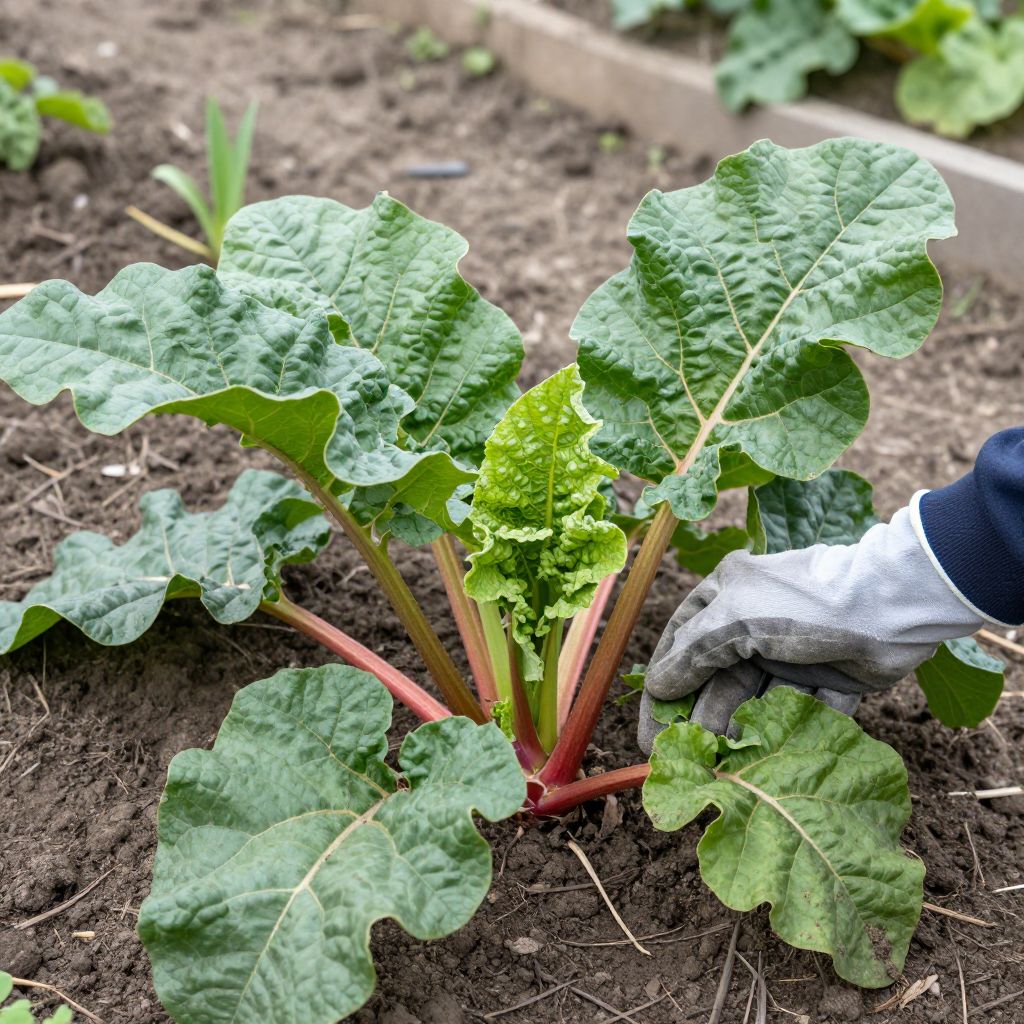
When is rhubarb in season? If you grow it yourself, the answer depends on your climate, plant age, and how you harvest it. In most temperate gardens, rhubarb is one of the earliest crops to appear in spring, with tender stalks ready from early to mid-spring and often into early summer.
Rhubarb is a perennial that rewards patience. Once established, it can produce for many years, but the best flavor and plant health come from harvesting at the right time and stopping before the plant is overworked.
When is rhubarb in season?
Rhubarb is typically in season from early spring through late spring, with the main harvest window often lasting 4 to 8 weeks. In cooler climates, stalks may appear earlier and stay usable longer; in warmer areas, the season can start sooner but end quickly as temperatures rise. Harvest only when stalks are firm, fully colored for the variety, and long enough to pull or cut cleanly.
Understanding rhubarb’s seasonal cycle
Rhubarb is a cool-season perennial that wakes up as soil temperatures rise in spring. It grows best in cool weather and slows down when heat arrives, which is why the harvest window is usually short.
What happens through the year
- Late winter to early spring: crowns begin pushing new growth as days lengthen.
- Spring: stalks thicken quickly and are ready to harvest.
- Early summer: growth may continue, but stalk quality can decline as temperatures climb.
- Midsummer onward: plants usually need to rest and rebuild energy for next year.
Because rhubarb stores energy in its crown and roots, harvesting too long can weaken the plant. A healthy plant needs a strong leaf canopy after harvest to recharge.
How climate changes the season
Your local weather matters more than the calendar. In cool northern or coastal areas, rhubarb may stay productive well into early summer. In hot inland regions, it may bolt or become stringy sooner, so the season is shorter and harvest should end earlier.
How to know rhubarb is ready to pick
Harvest rhubarb when stalks are at least 10 to 15 inches long and feel crisp, not limp. The stalks should separate easily from the crown or be easy to cut near the base. Color helps, but it is not the only sign of ripeness because some varieties stay green even when fully mature.
Good harvest signs
- Stalks are thick, firm, and upright.
- Leaves are fully expanded and healthy.
- Stalks snap or cut cleanly.
- The plant has several stalks, not just one or two weak shoots.
Signs to wait a little longer
- Stalks are thin and spindly.
- The plant is newly planted and still establishing.
- Growth is slow because the weather is still cold.
- The crown looks stressed, dry, or recently divided.
A newly planted rhubarb crown should usually not be harvested in its first year. Let it build roots and leaf growth first so it can support future harvests.
Best growing conditions for healthy rhubarb
To get a reliable season, rhubarb needs the right site. It grows best in full sun in cooler climates, though light afternoon shade can help in hotter regions. Rich, well-drained soil is essential because crowns rot in soggy ground.
Soil and drainage
Rhubarb prefers fertile soil with plenty of organic matter. Before planting, work in compost to improve structure and moisture retention. Good drainage is especially important in winter and early spring, when wet soil can damage crowns.
- Choose a site that does not stay waterlogged.
- Improve heavy clay with compost and, if needed, raised beds.
- Avoid planting where water pools after rain.
Sunlight and spacing
Give each plant room to grow. Crowded rhubarb tends to produce thinner stalks and is more prone to disease. Space plants so air can move freely around the leaves, which helps foliage dry faster after rain.
How to harvest rhubarb without hurting the plant
The safest way to harvest is to grasp the stalk near the base and pull gently while twisting, or use a clean knife to cut close to the crown. Remove the leaf blade immediately, since rhubarb leaves are not edible and should not be composted if they are diseased.
Simple harvesting steps
- Choose stalks that are mature and firm.
- Hold the stalk low near the crown.
- Pull and twist gently, or cut cleanly with a sharp knife.
- Remove the leaf top and discard it safely.
- Leave several healthy stalks on the plant so it can keep growing.
Do not strip the plant bare. A good rule is to leave at least one-third to one-half of the stalks in place, especially on younger plants. That foliage feeds the crown for next year’s crop.
How long the harvest should last
Many gardeners harvest for only a few weeks in spring, then stop. In established, vigorous plants, the season may stretch longer, but it is still wise to end harvest before hot weather arrives. This helps prevent weak crowns and poor yields the following year.
Planting rhubarb for a better season next year
If your rhubarb season is short or disappointing, the plant may need better growing conditions. Rhubarb is usually planted as crowns, divisions, or young nursery plants in a prepared bed where it can stay for years.
When to plant
Plant in early spring as soon as the soil is workable, or in fall in mild climates where roots can establish before winter. Local conditions matter more than a fixed date, so wait until the ground is neither frozen nor waterlogged.
How to set up the bed
- Work in compost before planting.
- Set the crown so the growing buds are just below or at soil level, depending on local guidance and soil type.
- Water well after planting.
- Mulch lightly to conserve moisture and suppress weeds, but keep mulch away from the crown.
Rhubarb is a long-term perennial, so bed preparation pays off. A well-prepared site can make the difference between a short, weak season and a strong spring harvest.
Common problems that shorten the rhubarb season
Several issues can make rhubarb stop producing early or give you poor-quality stalks. Most are related to weather, plant age, or growing conditions rather than a single disease.
Heat stress
Hot weather causes stalks to go soft, stringy, or stop growing. If your spring turns warm quickly, harvest earlier and stop once quality declines. In hot climates, a little afternoon shade can help extend the usable season.
Overharvesting
If you remove too many stalks, the plant cannot rebuild energy. This often leads to smaller stalks the following year. Reduce harvest pressure and let the plant recover with a full leaf canopy.
Poor drainage
Wet soil can rot the crown, especially in cool, damp springs. If plants decline year after year, improve drainage or move them to a raised bed.
Pests and diseases
Rhubarb is generally hardy, but stressed plants are more vulnerable. Watch for crown rot, leaf spot, and slug damage on young growth. Remove damaged leaves, keep the bed tidy, and avoid crowding.
How to extend the productive season
You cannot force rhubarb to behave like a summer crop, but you can encourage a stronger spring window and healthier plants overall. The goal is not longer harvest at any cost; it is reliable annual production.
- Mulch in spring to conserve moisture and reduce weeds.
- Water during dry spells so stalks stay crisp and growth continues.
- Feed with compost in early spring to support leafy growth.
- Remove flower stalks as soon as they appear so the plant focuses on leaves and roots.
- Divide overcrowded crowns every several years if production drops.
Rhubarb that flowers heavily often shifts energy away from stalk production. Pinching out flower stalks early can help preserve vigor, especially on older plants.
Propagation and renewal
Older rhubarb clumps can become crowded and less productive. Dividing them can renew growth and improve future seasons, but it should be done carefully during dormancy or when the plant is not actively stressed.
When to divide
Divide mature crowns when growth has slowed and the clump is large enough to split into healthy sections with at least one strong bud each. Cool, dormant periods are usually best, but exact timing depends on your climate.
Why renewal matters
Fresh divisions often produce stronger stalks after re-establishing. If your rhubarb season has become shorter over time, overcrowding may be part of the problem.
Tools and maintenance that make harvesting easier
You do not need much equipment to grow rhubarb well, but a few simple tools help protect the crown and keep the bed healthy.
- A sharp knife or garden knife for clean cuts.
- Gloves if you prefer to handle large leaves and stems comfortably.
- A fork or spade for dividing old crowns.
- Compost and mulch for annual bed care.
Keep the bed weed-free, especially in spring when new stalks are emerging. Weeds compete for moisture and nutrients and can make the crop look weaker than it really is.
Quick seasonal checklist for rhubarb growers
- Watch for the first firm stalks in early spring.
- Harvest only mature stalks, not the whole plant.
- Stop picking when heat arrives or stalk quality declines.
- Keep the plant watered, mulched, and weed-free.
- Remove flower stalks promptly.
- Let the crown rest after harvest so it can recharge.
Conclusion
When is rhubarb in season? For most gardens, it is a cool spring crop with a short but productive harvest window. Watch your local weather, pick only mature stalks, and stop before summer heat weakens the plant. If you want better harvests next year, prepare the bed now with compost, good drainage, and enough space for the crown to grow.
For more seasonal crop guidance, you may also want to read about how to grow perennial vegetables and early spring garden maintenance.