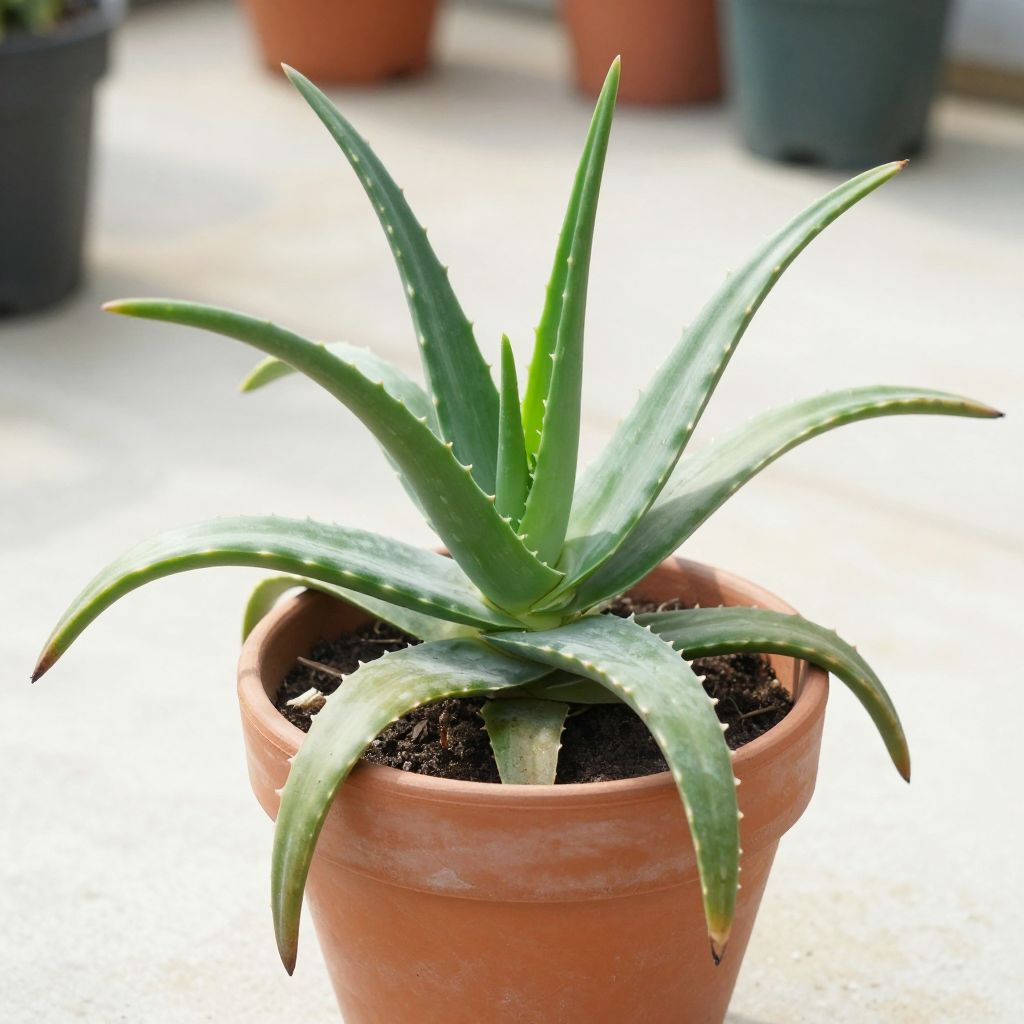
Why is my aloe plant drooping? In most cases, the problem is too much water, not enough light, or a potting mix that stays wet too long. Aloe vera and other aloe species are succulents, so they need fast drainage, bright light, and a chance to dry between waterings.
The good news is that drooping aloe is often fixable if you catch it early. By checking the leaves, roots, soil, and light conditions, you can usually tell whether your plant needs less water, more sun, a better pot, or treatment for root damage.
Why is my aloe plant drooping?
A drooping aloe plant is usually reacting to stress from excess moisture, poor drainage, low light, root rot, or sudden temperature changes. The leaves may bend, feel soft, or look wrinkled depending on the cause. Start by checking the soil and roots, because watering problems are the most common reason aloe collapses.
Common causes of drooping aloe plants
1. Overwatering
Overwatering is the leading cause of drooping aloe. Aloe stores water in its leaves, so it does not need frequent watering, and soggy soil can quickly damage the roots.
Signs of overwatering include:
- Soft, mushy, or translucent leaves
- Leaves that flop outward or collapse near the base
- Yellowing lower leaves
- Wet soil that stays damp for days
- A musty smell from the potting mix
If the roots sit in water too long, they begin to rot and can no longer support the plant. A drooping aloe with soft leaves often needs immediate drying out and, in serious cases, repotting.
2. Underwatering
Although aloe is drought-tolerant, it can still droop if it has been left dry for too long. In that case, the leaves usually look thinner, wrinkled, and less firm rather than mushy.
Underwatered aloe may show:
- Wrinkled, deflated leaves
- Dry, curled leaf tips
- Leaves leaning or folding inward
- Very dry potting mix pulling away from the pot edges
The fix is usually a thorough watering, then allowing the soil to dry fully before watering again. If the plant has been bone-dry for a long time, it may need a second drink a few days later to rehydrate evenly.
3. Poor drainage or heavy soil
Aloe needs a gritty, fast-draining mix. If it is planted in regular houseplant soil or garden soil that holds too much moisture, the roots can suffocate and the plant may droop even when you are not watering often.
Look for these drainage problems:
- Water pooling on the soil surface
- Soil that stays damp for more than a few days
- A pot without drainage holes
- Dense, compacted, or muddy mix
A well-draining cactus or succulent mix is usually a better choice. You can also improve drainage by adding pumice, perlite, or coarse sand to the mix, as long as the final texture stays airy and loose.
4. Not enough light
Aloe grows best in bright light, and low light often leads to weak, stretched growth that cannot hold itself upright. The plant may lean toward a window or slowly flop as the leaves become longer and thinner.
Signs of low light include:
- Pale green color
- Long gaps between leaves
- Leaning toward the light source
- Soft, weak stems or rosettes that spread apart
Indoors, a bright south- or west-facing window is often ideal, though harsh midday sun may need gradual acclimation. Outdoors, aloe usually prefers bright light with some protection from intense afternoon sun in very hot climates.
5. Root rot
Root rot often follows overwatering or poor drainage, and it is one of the most serious reasons an aloe droops. The plant may look limp even though the soil is wet, because damaged roots cannot take up water properly.
Possible signs of root rot include:
- Black, brown, or mushy roots
- Soft base or crown
- Leaves that collapse from the center outward
- Foul-smelling soil
If root rot is advanced, you may need to remove damaged roots, let healthy tissue dry, and repot the plant in fresh, dry succulent mix. If the base is severely rotted, saving the plant may be difficult.
6. Temperature stress
Aloe dislikes cold drafts, frost, and sudden temperature swings. Cold damage can make the plant droop, turn water-soaked, or become discolored, especially if it has been near a chilly window or moved outdoors too early.
Heat stress can also cause drooping if the plant is exposed to intense sun and dry air before it has adjusted. In both cases, the plant may lose firmness and look tired even when watering is correct.
7. Pot size and root crowding
An aloe that has outgrown its pot may droop because the roots are crowded and the soil dries unevenly. A pot that is too large can also cause trouble if the extra soil holds moisture too long.
Choose a pot with drainage holes that is only slightly larger than the root ball. Aloe usually does best when the container is snug but not cramped, with enough room for roots to spread without sitting in excess wet soil.
8. Pests or disease
Mealybugs, scale, and occasionally fungal problems can weaken aloe and cause drooping. Pests often hide in leaf joints or near the base, where they feed on sap and reduce the plant’s vigor.
Check for:
- White cottony clusters
- Brown bumps on leaves or stems
- Sticky residue
- Spots, rot, or unusual discoloration
If you find pests, isolate the plant and remove them carefully with a cotton swab dipped in rubbing alcohol or by washing the plant gently. For disease, improve airflow, reduce watering, and remove badly damaged tissue.
How to diagnose a drooping aloe step by step
To figure out why your aloe plant is drooping, inspect the plant in a logical order. This helps you avoid making the problem worse with more water or unnecessary fertilizer.
- Feel the soil. If it is wet or cool several days after watering, suspect overwatering or poor drainage.
- Check the leaves. Soft and mushy points to too much water; wrinkled and thin points to underwatering.
- Look at the light. Is the plant stretched, leaning, or pale? Low light may be part of the problem.
- Inspect the pot. Make sure there are drainage holes and that the container is not holding water in a saucer.
- Examine the roots if needed. Gently slide the plant out of the pot and look for healthy, firm roots versus black, mushy ones.
How to fix a drooping aloe plant
If the soil is too wet
- Stop watering immediately.
- Remove any standing water from the saucer.
- Move the plant to a brighter, airy spot.
- If the mix is soggy, unpot the aloe and inspect the roots.
- Trim away rotten roots with clean scissors.
- Let the plant dry for a short time, then repot in dry, fast-draining succulent mix.
Do not put a drooping, wet aloe back into the same heavy soil and hope it recovers. If the root system is already damaged, the plant needs drier conditions and fresh mix to rebound.
If the soil is too dry
- Water thoroughly until excess runs from the drainage holes.
- Let the pot drain completely.
- Empty the saucer so roots do not sit in water.
- Check the plant again over the next several days for improved firmness.
If the mix has become extremely dry and pulled away from the pot, water may run down the sides instead of soaking in. In that case, water slowly in stages so the root ball can absorb moisture evenly.
If light is the issue
- Move the plant to brighter indirect light or a sunnier window.
- Introduce stronger light gradually over one to two weeks.
- Rotate the pot every week or two so growth stays even.
Sudden full sun can scorch aloe that has been kept in shade, so increase exposure gradually. Outdoors, place it where it gets bright morning light and protection from extreme afternoon heat if necessary.
If the plant is rootbound or in the wrong pot
- Choose a pot with drainage holes.
- Use a cactus or succulent mix, or amend a loose mix with pumice or perlite.
- Repot only one size up if the roots are crowded.
- Keep the crown above the soil line to prevent rot.
Watering aloe correctly
Aloe care works best when you water based on soil dryness, not on a strict calendar. The top few inches should dry out before you water again, and the pot should never stay soggy for long.
Good watering habits include:
- Water deeply, then let excess drain away
- Use less water in cool, low-light months
- Water more often only during active growth or hot, dry weather
- Always empty saucers after watering
Indoor aloe usually needs less water than outdoor aloe because evaporation is slower. In humid climates or during winter, the soil may stay wet much longer, so always check the mix before watering again.
Pruning and cleanup for a healthier plant
Pruning will not fix the underlying cause of drooping, but it can help the plant recover. Remove only leaves that are fully dead, badly damaged, or rotting.
Use clean, sharp scissors or a knife and make neat cuts close to the base. If the center of the plant is soft or collapsing, focus first on saving healthy tissue and correcting the growing conditions.
When to propagate or replace the plant
If the main rosette is badly rotted but you see healthy offsets, you may be able to save the plant by propagating the pups. Separate offsets only when they are large enough to have their own roots or when they can be cleanly removed with a small portion of root attached.
Let cut surfaces dry and callus before replanting in dry succulent mix. If the entire plant is soft, foul-smelling, or collapsing, replacement may be the most practical option.
How to prevent aloe from drooping again
- Use a pot with drainage holes.
- Plant in a fast-draining cactus or succulent mix.
- Water only when the soil has dried out.
- Give the plant bright light.
- Protect it from cold drafts and frost.
- Repot when roots become crowded or the mix breaks down.
- Check regularly for mealybugs and other pests.
These simple habits solve most aloe problems before they become serious. A healthy aloe should feel firm, hold itself upright, and grow steadily without needing constant attention.
Conclusion
If you are asking, “Why is my aloe plant drooping?”, begin with the roots, soil, and watering routine. In most cases, the fix is to dry out overly wet soil, improve drainage, or move the plant into brighter light. Check the leaves and roots today, then adjust one problem at a time so your aloe can recover.
For more help with succulent care, you may also want to read about how to repot houseplants without damaging roots and choosing the best soil mix for succulents.