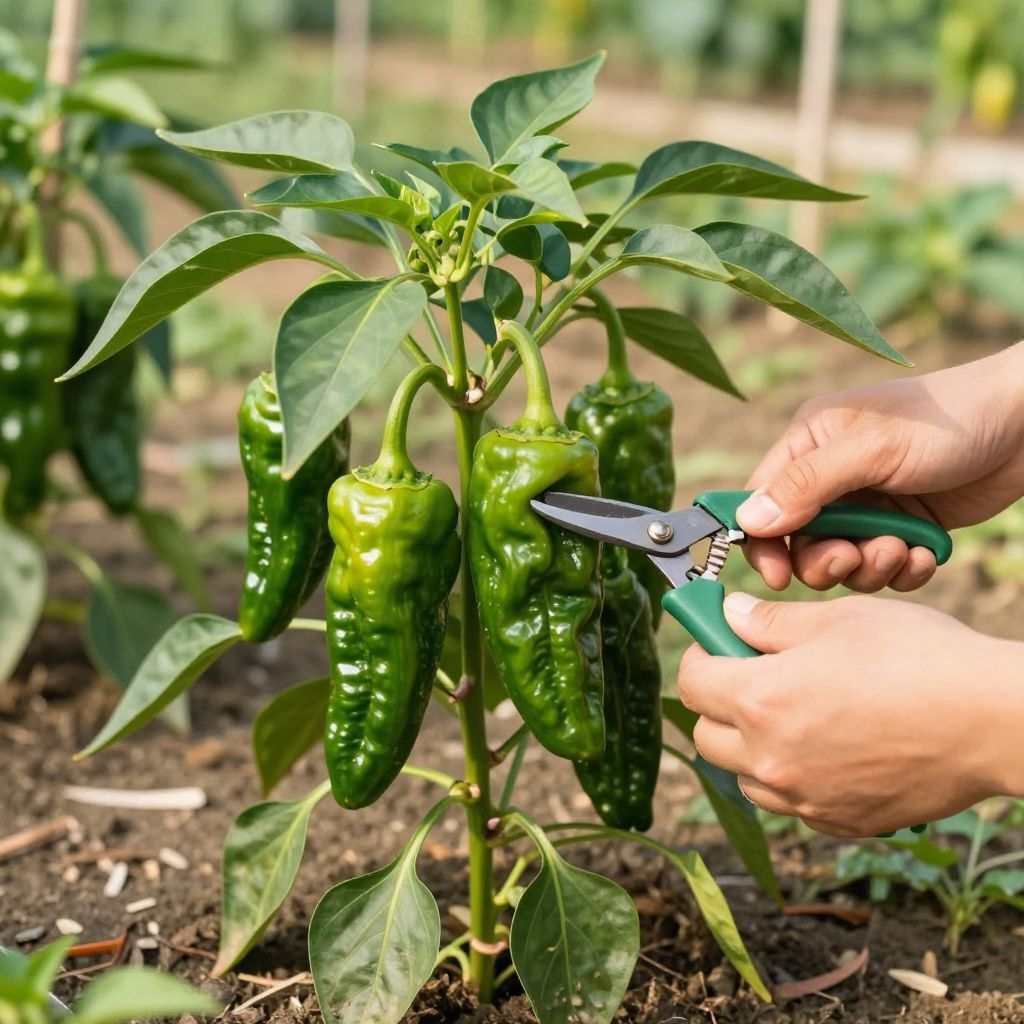
Wondering when to harvest shishito peppers so they’re tender, flavorful, and not overripe? The best picking time depends on the size you prefer and how quickly the peppers are changing color. In most gardens, shishitos are ready once they reach about 3 to 5 inches long, feel firm, and are still glossy green.
Harvesting at the right stage keeps the plant producing more peppers and helps you avoid tough, seedy fruits. If you wait too long, shishitos can turn red and become sweeter but less crisp, so timing matters.
When to harvest shishito peppers?
Harvest shishito peppers when they are 3 to 5 inches long, thin-walled, and bright green with a glossy skin. Pick them before they start turning red for the classic mild, tender flavor. Use scissors or pruners to cut the stem cleanly so you don’t damage the plant.
How to tell shishito peppers are ready
Shishito peppers are usually harvested while green, but ripeness is best judged by size, color, and texture rather than color alone. A pepper that is too small may still be developing, while one that is too large may start to become tougher.
Signs a shishito pepper is ready
- Length: about 3 to 5 inches long
- Color: medium to dark green and glossy
- Texture: firm, not soft or wrinkled
- Shape: slender with a slightly crinkled or wrinkled look
- Stem: still green and attached securely
If you gently squeeze the pepper, it should feel crisp and well-filled, but not hard like an immature fruit. Shishitos are usually picked before they fully ripen, unlike some other peppers that are commonly left to color up on the plant.
What happens if you wait too long?
As shishito peppers mature, they can turn red and develop a sweeter flavor. That is not a problem if you want fully ripe fruit, but the texture is often less tender. Older peppers may also have more developed seeds and thicker walls.
For the best eating quality and continued production, most gardeners harvest regularly while the peppers are still green.
Best time of day to pick shishito peppers
Morning is usually the best time to harvest, after the dew has dried but before the day heats up. Peppers picked in cooler conditions tend to stay firmer and are less likely to wilt quickly.
If you must harvest later in the day, that is fine too. Just avoid picking when the plant is heat-stressed or the fruit is wet from rain or irrigation, since damp peppers do not store as well.
How often should you harvest?
Check plants every 2 to 3 days once they begin producing. Shishito peppers can size up quickly in warm weather, and frequent picking encourages the plant to keep flowering and setting more fruit.
During peak season, you may need to harvest even more often. If you leave mature peppers on the plant too long, production can slow down because the plant puts energy into ripening existing fruit instead of making new ones.
How to harvest shishito peppers without damaging the plant
Shishito peppers have relatively delicate stems, so a clean cut is better than pulling. Tugging can break branches or tear the plant, especially if the fruit is hanging tightly.
- Hold the pepper gently with one hand.
- Use clean scissors, snips, or pruners.
- Cut the stem just above the fruit.
- Leave a short stem attached to the pepper if possible.
- Place harvested peppers in a shallow container so they do not bruise.
Tip: Keep your tools clean and sharp. A smooth cut helps reduce plant stress and lowers the chance of tearing stems or spreading disease.
Should you harvest shishito peppers green or red?
Most gardeners harvest shishitos green because that is when they are usually at their most tender and mildly flavored. Green peppers are the classic stage for cooking and fresh use.
If you prefer a sweeter, more mature pepper, you can leave some fruits on the plant until they turn red. Just know that fully ripe peppers often slow the plant’s overall production, so many gardeners leave only a few to ripen and pick the rest green.
Green vs. red harvest
- Green: milder flavor, tender texture, faster harvest turnover
- Red: sweeter flavor, more mature seeds, often less crisp
What affects shishito harvest timing?
Harvest timing changes with weather, plant health, and growing conditions. A shishito pepper in cool spring weather may take longer to size up than one growing in warm summer conditions.
Climate and temperature
Shishito peppers develop best in warm conditions. In cooler weather, fruit may stay small longer, and in very hot weather, plants can drop flowers or slow fruit set. If temperatures swing widely, check plants regularly instead of relying on a fixed calendar date.
Sunlight
Plants grown in full sun usually produce and ripen more consistently. If your peppers are in partial shade, they may take longer to reach harvest size.
Watering and soil moisture
Even moisture helps peppers size up steadily. If the soil dries out too much, fruit may stop growing or become thin and stressed. If the soil stays soggy, roots may struggle and the plant may decline.
Use well-drained soil and water deeply when needed, rather than giving frequent shallow watering. Mulch can help keep soil moisture more even during warm weather.
Plant maturity
Young plants need time to establish before they can produce a steady crop. If your shishito plant is still small, it may set a few peppers but not yet carry a full harvest. Once the plant is well rooted and branching, production usually increases.
Common harvesting mistakes to avoid
Picking shishitos at the wrong stage is the most common mistake, but there are a few others that can reduce quality or plant productivity.
- Waiting too long: peppers become tougher and may start ripening red
- Picking too early: fruit may be small and underdeveloped
- Pulling fruit off by hand: can damage stems and branches
- Ignoring the plant: overripe fruit can slow new production
- Letting harvested peppers sit in the sun: they wilt faster and lose quality
If you are unsure, pick one pepper and compare it with another left on the plant for a day or two. That side-by-side check can help you learn how quickly your plants size up in your specific garden.
How harvest timing affects plant productivity
Regular harvesting helps shishito plants keep producing. When you remove mature fruit promptly, the plant often shifts energy into making more flowers and peppers.
If you want a longer picking season, do not let every pepper fully ripen on the plant. A mix of green harvests and a few red fruits is a practical way to balance flavor and yield.
Growing conditions that support better harvests
Good harvest timing starts with healthy plants. Shishito peppers perform best when they have steady warmth, full sun, and soil that drains well but does not dry out completely.
- Sun: aim for at least 6 hours of direct sunlight if possible
- Soil: rich, loose, and well-drained
- Compost: helpful for improving soil structure and moisture retention
- Spacing: enough room for air movement to reduce disease pressure
In containers, use a pot with drainage holes and a quality potting mix. Container plants often need closer attention because they dry out faster than in-ground plants, which can affect fruit size and harvest timing.
Pests and diseases that can affect harvest timing
Healthy peppers ripen more evenly, so it helps to watch for problems that stress the plant. Aphids, flea beetles, and spider mites can weaken growth, while fungal issues may reduce leaf health and fruit production.
Look for curled leaves, stippling, sticky residue, holes in foliage, or spots on leaves and stems. If a plant is under stress, peppers may stay small longer or ripen unevenly.
To reduce problems:
- Inspect the undersides of leaves regularly
- Remove badly damaged leaves if needed
- Keep plants watered consistently
- Avoid crowding and improve airflow
- Clean up fallen leaves and old fruit around the plant
Storing shishito peppers after harvest
After picking, keep peppers cool and dry. They store best in the refrigerator, ideally in a breathable bag or container with a little airflow.
Do not wash them until you are ready to use them, because excess surface moisture can shorten storage life. Handle them gently to avoid bruising, especially if you harvested a large batch.
Quick harvest checklist
- Fruit is about 3 to 5 inches long
- Skin is glossy and green
- Pepper feels firm and crisp
- Stem is cut cleanly with snips
- Plant is checked again in 2 to 3 days
Conclusion
When to harvest shishito peppers comes down to watching the fruit closely and picking at the green, glossy, firm stage for the best texture. Check plants often, harvest with clean snips, and pick regularly to keep more peppers coming. If you want to refine your timing further, compare a few peppers over several days and note how your own plants size up in your garden.
If you’d like to improve your pepper harvests overall, you may also want to read more about growing peppers in containers and how to care for pepper plants during summer.