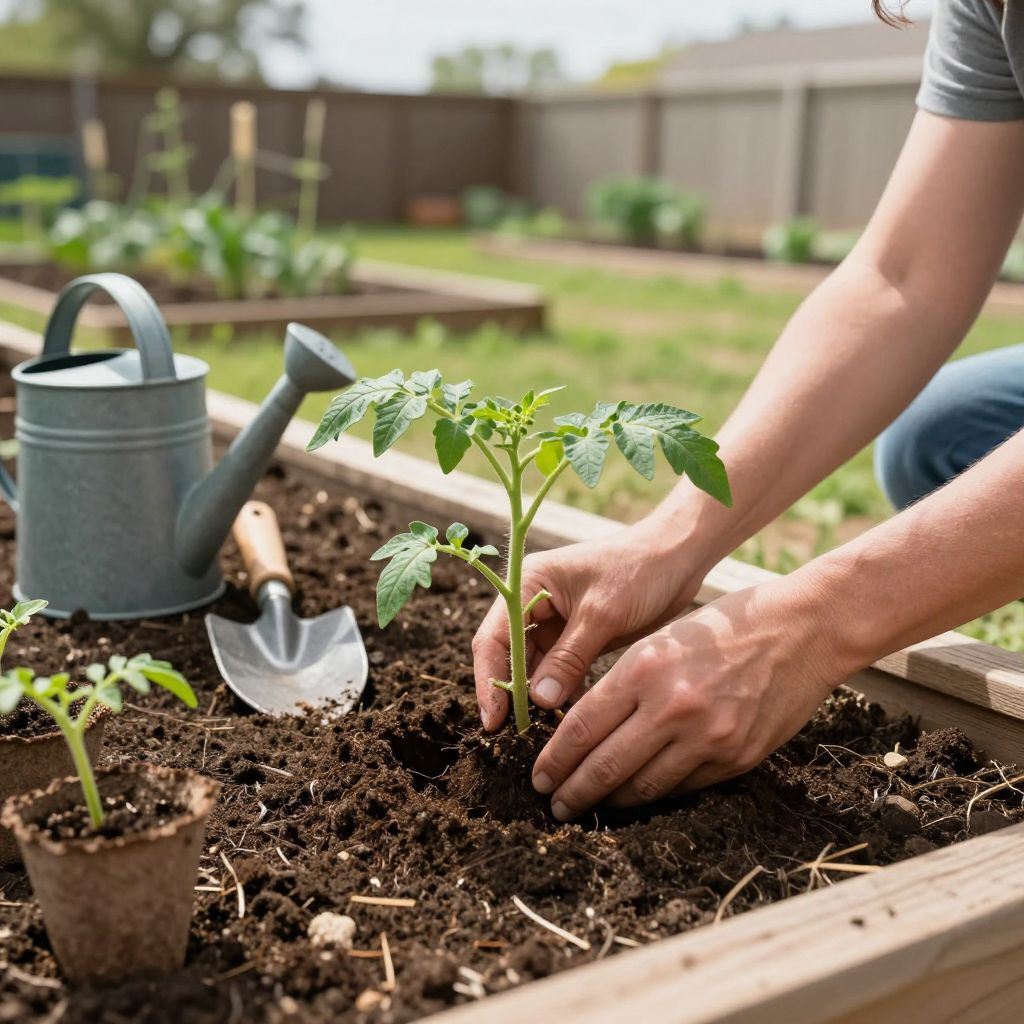
Wondering when to plant tomatoes in Texas? The short answer is that timing depends on your part of the state, but most Texas gardeners plant tomatoes outdoors in late winter to early spring after the danger of hard frost has passed, or in late summer for a fall crop. The key is matching planting time to your local temperatures, not just the calendar.
Tomatoes need warm soil, plenty of sun, and protection from both cold snaps and extreme summer heat. If you plant too early, frost can damage young plants; too late, and high heat can reduce flowering and fruit set. With the right timing and care, Texas can be an excellent tomato-growing state.
When to plant tomatoes in Texas?
In most of Texas, plant tomatoes outdoors in late February through March for spring crops, once nights are reliably above freezing and soil has warmed. In hotter regions, a fall planting in late July through August can work well too. The best date depends on your local frost risk, heat, and whether you start with transplants or seed.
Texas tomato planting windows by region
Texas is large enough that planting time shifts a lot from north to south. Use local frost dates and soil temperatures as your guide, then adjust for your microclimate.
North Texas
North Texas usually has the latest spring planting window because frost can linger into March. Many gardeners transplant tomatoes from mid-March to early April, depending on local conditions.
Central Texas
Central Texas often plants earlier, commonly from late February through mid-March. Watch for late cold fronts, which can still damage tender transplants.
South Texas
South Texas can often plant tomatoes very early, sometimes from February into early March. In warm coastal or far-south areas, fall planting is also a strong option because summer heat can be intense.
West Texas and high-elevation areas
In drier or higher-elevation parts of Texas, spring frosts may last longer and winds can be harsh. Wait until nights are consistently mild and protect young plants from drying out.
How to tell if it is time to plant
Rather than relying only on a date, check these conditions before planting tomatoes outdoors:
- No hard frost is expected in the next 10 to 14 days.
- Night temperatures are staying above freezing, and preferably above the upper 40s Fahrenheit.
- Soil is workable, not soggy, and has begun warming up.
- Your seedlings are sturdy, not leggy, and have been hardened off.
If you are unsure, hold plants a little longer and keep them in bright light indoors or in a protected area. A short delay is usually better than losing plants to a late cold snap.
Spring vs. fall tomato planting in Texas
Most gardeners think of tomatoes as a spring crop, but in many parts of Texas, fall planting can be just as useful. The season you choose should match your local weather pattern.
Spring planting
Spring planting gives tomatoes time to establish before summer heat arrives. This is the most common choice for home gardens because fruiting often begins before the hottest weather.
Fall planting
Fall planting works best in warmer Texas regions where frost comes late. Plants started too late in summer may struggle with heat, but well-timed transplants can produce into autumn until the first frost.
Start with transplants for the easiest results
For most Texas home gardeners, transplants are easier than starting tomatoes from seed outdoors. Young plants get a head start and are more likely to produce before extreme heat or cold interrupts growth.
Choose healthy transplants that are:
- Short and sturdy rather than tall and spindly
- Deep green, not yellowing
- Free of spotted leaves, pests, or damage
- Grown in a container that is not root-bound
If you start from seed indoors, begin early enough that plants are ready for transplanting when your outdoor window opens. Seedlings should be strong enough to handle transplant shock and outdoor conditions.
Prepare the soil before planting
Tomatoes do best in loose, fertile soil with good drainage. Texas soils vary widely, from heavy clay to sandy ground, so soil prep matters a lot.
Improve drainage and fertility
Work in several inches of compost before planting. Compost improves structure, moisture retention, and nutrient availability without making the soil too dense.
If your soil is heavy clay, consider raised beds or mounded rows to help excess water drain away. Tomatoes hate sitting in wet soil, especially early in the season.
Check sunlight
Tomatoes need full sun, which means at least 6 to 8 hours of direct light daily. In very hot parts of Texas, a site with morning sun and a little afternoon protection can help reduce stress during peak summer heat.
How to plant tomatoes correctly
Planting depth and spacing make a big difference in tomato growth. Tomatoes can form roots along buried stems, so planting them a little deeper is often helpful.
- Dig a hole deep enough to bury part of the stem.
- Remove lower leaves from the transplant.
- Set the plant so only the top cluster of leaves remains above soil.
- Backfill with soil and gently firm it around the roots.
- Water thoroughly right after planting.
- Mulch after the soil warms a bit to conserve moisture and reduce weeds.
Space plants so air can move between them. Good airflow helps reduce fungal disease, especially in humid parts of Texas.
Watering tomatoes in Texas
Tomatoes need consistent moisture, but they do not like soggy roots. Texas weather can swing from cool and wet to hot and dry, so check the soil often instead of watering on a fixed schedule.
Water deeply at the base of the plant when the top inch or two of soil feels dry. Avoid wetting the leaves if possible, because frequent leaf moisture can encourage disease.
Uneven watering can cause blossom-end rot, fruit cracking, and poor fruit set. Mulch helps stabilize soil moisture and reduces stress during hot spells.
Fertilizing without overdoing it
Tomatoes are heavy feeders, but too much nitrogen can lead to lush leaves and fewer fruits. Use compost at planting and, if needed, a balanced fertilizer according to label directions.
Once plants begin flowering, avoid pushing leafy growth too hard. You want steady growth, strong stems, and fruit development rather than a jungle of foliage.
Pruning, staking, and support
Support is important because tomato plants can sprawl and break under the weight of fruit. Use cages, stakes, or trellises early so roots are not disturbed later.
Pruning tips
Light pruning can improve airflow, but do not overdo it. Remove damaged leaves, leaves touching the soil, and a few lower suckers if the plant is overcrowded. In hot Texas weather, too much pruning can expose fruit to sunscald.
Support options
- Cages for easier maintenance and moderate support
- Stakes for tighter spacing and more upright growth
- Trellises for larger gardens and improved airflow
Common Texas tomato problems and how to handle them
Texas gardeners often face heat, pests, and fungal issues. Catching problems early makes a big difference.
Heat stress
When temperatures climb, tomato flowers may drop and fruit set can slow. Mulch, deep watering, and some afternoon shade in the hottest regions can help plants keep going longer.
Frost damage
A late cold snap can blacken leaves and stunt growth. Cover plants overnight with frost cloth or a lightweight covering if a brief freeze is forecast, then uncover them in the morning.
Blossom-end rot
This is usually caused by inconsistent water uptake, not a simple calcium shortage. Keep moisture even and avoid letting the soil swing from bone dry to soaked.
Pests
Watch for hornworms, aphids, whiteflies, and stink bugs. Hand-pick larger pests when possible, and inspect the undersides of leaves regularly.
Disease pressure
Fungal diseases are more common when plants are crowded or leaves stay wet. Give tomatoes space, mulch the soil, and remove diseased foliage promptly.
Harvesting tomatoes at the right time
Pick tomatoes when they have reached full color for the variety and feel slightly soft but not mushy. Harvesting regularly encourages more fruiting.
If a hard frost or extreme heat is approaching, you can pick fruits that are starting to color and let them finish indoors at room temperature. Avoid refrigerating fresh tomatoes unless necessary, because cold can reduce flavor.
Quick checklist for planting tomatoes in Texas
- Wait until frost risk has passed for your area.
- Use transplants for the easiest spring start.
- Choose a sunny site with well-drained soil.
- Mix in compost before planting.
- Water deeply and mulch after planting.
- Provide cages or stakes early.
- Watch for heat stress, pests, and uneven watering.
Conclusion
If you are deciding when to plant tomatoes in Texas, aim for late winter to early spring in most areas, then adjust for your local frost date and summer heat. Start with healthy transplants, prepare the soil well, and keep watering consistent. That simple approach gives your tomatoes the best chance to thrive.
For more help planning your vegetable garden, you may also want to read related guides on soil preparation, mulching, and growing warm-season crops in your area.