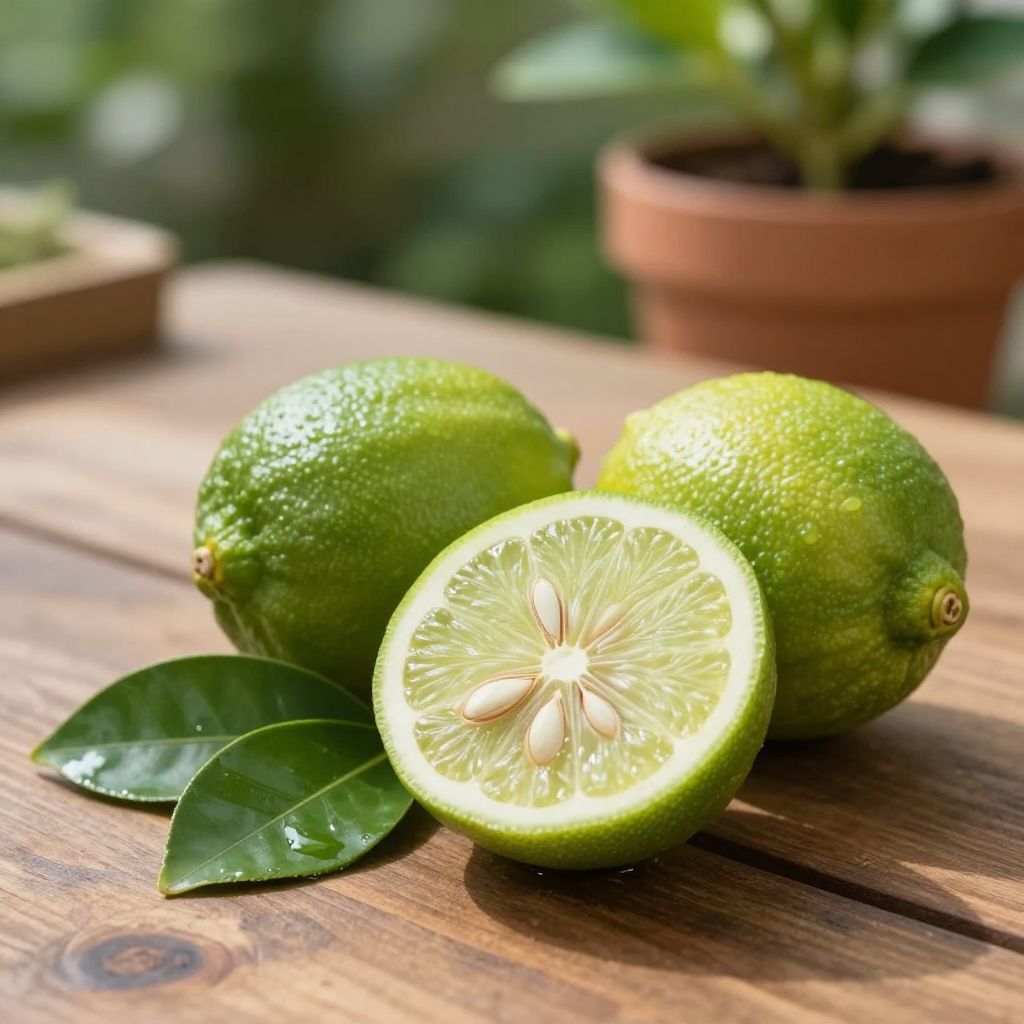
Do limes have seeds? Usually, yes—but not always. Many limes contain a few seeds, while some varieties are nearly seedless or completely seedless depending on how they were pollinated and what type of lime tree produced the fruit.
If you are growing a lime tree or choosing fruit for the kitchen, seed count matters for both eating and propagation. The good news is that seediness is only one part of lime growing; healthy light, drainage, and steady care matter much more for good fruit.
Do limes have seeds?
Most limes do have seeds, but the number varies widely by variety, pollination, and growing conditions. Some grocery-store limes are nearly seedless, while others may contain several seeds. Even on the same tree, fruit can differ depending on whether insects carried pollen from another citrus nearby.
Why some limes have seeds and others do not
Seed formation in limes depends on how the flowers were pollinated. Limes that receive pollen from another compatible citrus plant often develop more seeds, while fruit set without effective pollination can produce fewer seeds or none at all.
Common reasons for seed variation
- Variety differences: Some lime types naturally produce more seeds than others.
- Pollination: Cross-pollination by bees can increase seed count.
- Growing environment: Warm, active pollinator weather often leads to more fully seeded fruit.
- Tree stress: Poor watering, low light, or nutrient issues can affect fruit development.
Seeded vs. seedless limes
Seedless limes are often preferred for eating fresh, but seeded fruit is not a problem for the tree. In fact, seeds can be useful if you want to try growing citrus from seed, though seedlings usually do not grow true to the parent plant.
Can you grow a lime tree from the seeds?
You can grow a lime tree from seed, but it is usually not the best way to get a productive fruit tree. Seed-grown citrus often takes many years to flower, and the fruit may not match the parent tree. Grafted trees are more reliable for home gardeners who want consistent fruit quality.
What to expect from seed-grown limes
- Longer time to fruiting than grafted trees
- Possible differences in fruit flavor, size, and seediness
- Variable growth habit and vigor
- Better suited as a learning project than a dependable harvest plan
If you want to try germinating lime seeds
- Remove seeds from a ripe lime and rinse off all pulp.
- Plant fresh seeds in a small pot of moist, well-draining seed-starting mix.
- Keep the mix lightly moist, not soggy.
- Place the pot in a warm, bright location out of direct harsh sun.
- Watch for sprouting, then gradually move seedlings into stronger light.
Fresh seed usually germinates best. Dried or old seeds often lose viability, so plant them soon after removing them from the fruit.
How to grow a healthy lime tree for better fruit
If your goal is good fruit, focus on the tree’s growing conditions rather than seed count. Limes are tropical and subtropical citrus plants that need plenty of sun, warmth, and excellent drainage to perform well.
Light
Lime trees need full sun outdoors, ideally at least 6 to 8 hours a day. Indoors, place them in the brightest window you have or supplement with a strong grow light if natural light is limited.
Soil and drainage
Use a loose, well-draining soil mix. Citrus roots dislike staying wet, so heavy clay soil or compacted potting mix can lead to root problems. In containers, choose a pot with drainage holes and a coarse, airy mix made for citrus or containers.
Watering
Water deeply, then let the top layer of soil dry slightly before watering again. The goal is consistent moisture without waterlogging. Overwatering is one of the most common mistakes with lime trees, especially in pots.
- Check soil with your finger before watering.
- Water more often during warm, active growth.
- Reduce watering when growth slows in cooler months.
- Never leave a container standing in runoff water.
Feeding
Lime trees need regular nutrition during the growing season, especially in containers where nutrients wash out faster. Use a citrus fertilizer or a balanced fertilizer suited to fruiting plants, and follow the label directions for your product and plant size.
Tip: Yellowing leaves can signal nutrient issues, but they can also mean poor drainage or root stress. Always check moisture and soil condition before adding more fertilizer.
Pruning and maintenance for productive lime trees
Pruning helps keep the tree manageable, improves air circulation, and removes dead or crowded growth. For container-grown trees, light pruning also helps maintain a compact shape that fits indoors or on a patio.
Simple pruning goals
- Remove dead, damaged, or crossing branches.
- Thin crowded growth to improve light and airflow.
- Keep the center from becoming overly dense.
- Limit size if you are growing in a pot or small yard.
Avoid heavy pruning right before flowering or during fruit development unless you are removing broken or diseased wood. Citrus generally responds best to moderate, thoughtful cuts rather than drastic reshaping.
Common pests and diseases that affect lime trees
Seediness is rarely a sign of disease, but poor plant health can reduce fruit quality. Watch for common citrus pests and moisture-related problems that can weaken the tree and affect flowering or fruit set.
Common pests
- Aphids: Cluster on tender new growth and can distort leaves.
- Scale insects: Small, fixed bumps on stems or leaves that weaken the plant.
- Spider mites: More common in dry indoor air; they cause stippled leaves.
- Whiteflies: Tiny flying insects that gather under leaves.
Common problems
- Root rot: Usually caused by poor drainage or overwatering.
- Leaf drop: Often linked to sudden temperature changes, low light, or watering stress.
- Poor fruit set: Can happen when pollination is weak or the tree is under stress.
Inspect leaves regularly, especially the undersides and new growth. Catching pests early is much easier than dealing with a major infestation later.
How seediness affects harvesting and use
When you harvest limes at the right stage, you usually get better juice, flavor, and texture. Seed count does not determine ripeness, but fruit that is harvested too early may be thin-skinned, less juicy, and more acidic than fully developed fruit.
Signs a lime is ready
- Fruit feels firm but slightly yielding
- Skin looks smooth and fully developed
- Fruit has reached a usable size for the variety
- Some types may shift from deep green to a lighter green or yellowish tone as they mature
Pick fruit carefully with clean pruners or by twisting gently if the stem releases easily. Avoid tearing branches, since citrus wood can be damaged by rough handling.
Growing limes in containers vs. in the ground
Container growing gives you more control over soil, drainage, and winter protection, which is especially helpful in cooler climates. In-ground planting can produce a larger tree, but only where the climate is warm enough and the soil drains well.
Container growing advantages
- Easier to move indoors or to shelter during cold spells
- Better control over soil mix and drainage
- Useful for patios, balconies, and small spaces
In-ground growing advantages
- More room for root development
- Less frequent watering in established trees
- Potentially larger harvests in suitable climates
Whichever method you choose, match the tree to your climate and protect it from frost. Limes are sensitive to cold, and even brief chilling can damage flowers, leaves, and young fruit.
Troubleshooting: why your lime tree flowers but fruit is seedy or sparse
If your tree blooms but the fruit is not what you expected, the issue may be pollination, stress, or growing conditions rather than the tree itself. A healthy citrus tree can still produce more seeds than you want if bees visit the flowers and transfer pollen from another citrus plant.
What to check first
- Is the tree getting enough direct sun?
- Is the soil draining well and not staying wet?
- Has the tree been fertilized appropriately during the growing season?
- Are there nearby citrus trees that may be increasing cross-pollination?
- Is the tree stressed by cold, heat, or drying winds?
If fruit is dropping early, the tree may be adjusting to stress or carrying too much fruit for its size. Improving care often helps more than trying to force a larger crop.
Conclusion: what to do next
So, do limes have seeds? Often yes, but the amount depends on the variety and pollination. If you want fewer seeds, choose a known seedless or low-seed type when possible, and keep your tree healthy with full sun, well-drained soil, and careful watering.
For more citrus-growing help, read about container citrus care and how to prune fruit trees to keep your lime tree productive and manageable.