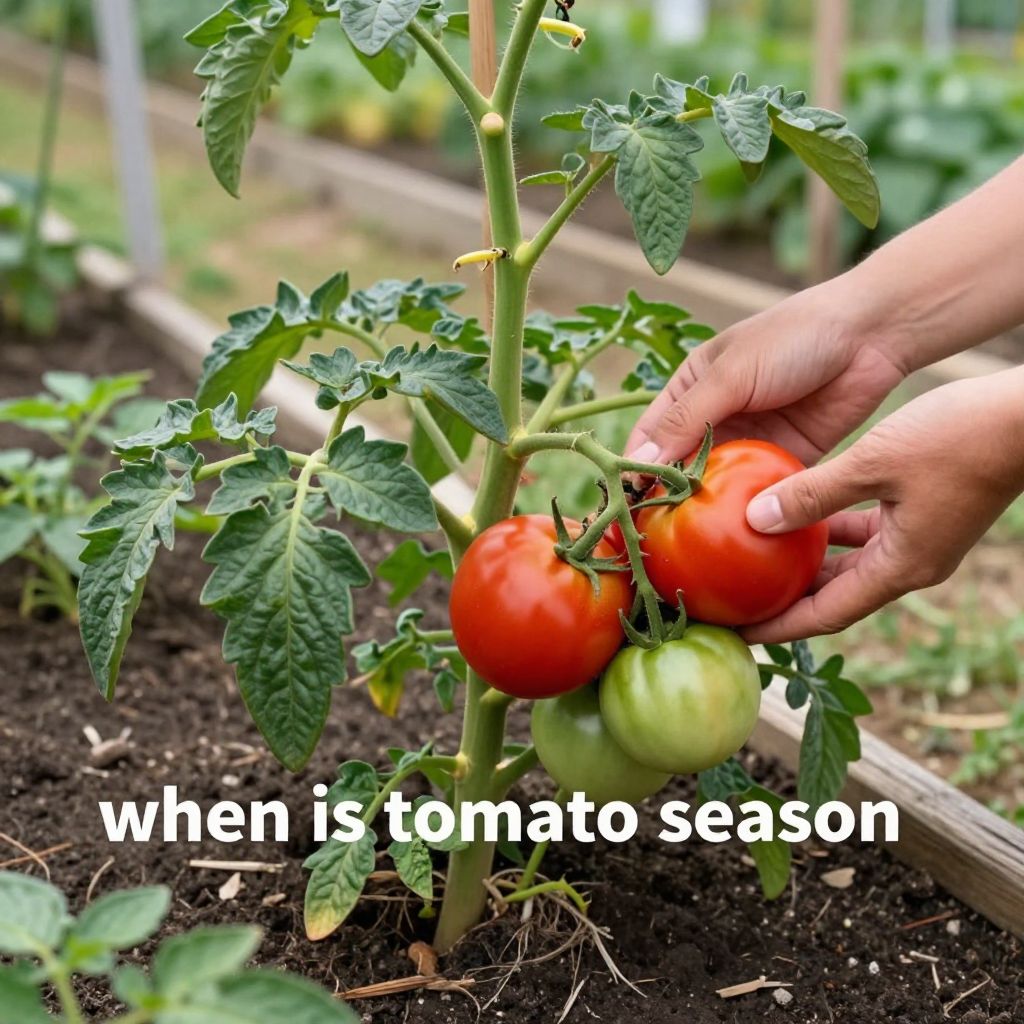
Wondering when is tomato season? The short answer is that tomatoes are in season in warm weather, with the best harvests usually coming from mid to late summer. Exact timing depends on your climate, the variety you grow, and whether you start plants indoors or buy transplants.
If you want the sweetest, juiciest fruit, the key is matching tomato growth to your local frost dates and heat levels. Tomatoes need plenty of sun, warm soil, and enough time to ripen before cool nights slow them down.
When is tomato season?
Tomato season is typically summer, but the exact window depends on your region. In most gardens, tomatoes are planted after the last frost in spring and harvested from mid-summer through early fall, with peak flavor often arriving when days are warm and nights stay above about 55°F.
What determines tomato season in your garden?
Tomato timing is shaped more by climate than by the calendar. Your local frost dates, summer temperatures, daylight, and whether you grow in containers, raised beds, or open ground all affect when plants start producing and how long they keep going.
Frost dates matter most
Tomatoes are tender warm-season plants. They should not go outside until frost risk has passed and the soil has warmed enough for steady growth.
- Planting too early can stunt growth or damage young plants.
- Planting too late may leave you with green fruit when cool weather arrives.
- In colder areas, season extension tools can help, but they do not replace warm soil and frost-free nights.
Temperature affects ripening
Tomatoes grow best in warm conditions, but extreme heat can slow fruit set. If daytime temperatures stay very high for long periods, flowers may drop and fruit production can pause until conditions improve.
- Warm days help growth and ripening.
- Cool nights can slow ripening near the end of the season.
- Heat waves may reduce pollination and fruit set.
When should you plant tomatoes?
Plant tomatoes outdoors after your last expected frost date, once the soil is consistently warm and nights are mild. In many regions, that means late spring. If you start from seed indoors, begin 6 to 8 weeks before transplanting so seedlings are ready at the right time.
Starting from seed indoors
Indoor seed starting gives you a head start, especially in shorter growing seasons. Use a bright window or grow lights, and keep seedlings from becoming leggy by giving them strong light and warmth.
- Sow seeds in a sterile seed-starting mix.
- Keep the mix evenly moist, not soggy.
- Provide strong light as soon as seedlings emerge.
- Harden off plants gradually before moving them outdoors.
Buying transplants
Transplants are the easiest option for beginners and for gardeners with shorter summers. Choose compact, sturdy plants with healthy green leaves and no flowers that are already overgrown or root-bound.
- Avoid plants with yellowing leaves or spotted stems.
- Look for a thick stem and short internodes.
- Check that roots are not tightly circling the pot.
How to tell when tomato season is starting in your area
You can estimate tomato season by tracking three things: frost timing, soil warmth, and nighttime temperatures. When the danger of frost passes and the soil is warm enough to support active growth, tomato season is underway.
Use your local climate as the guide
Gardeners in warm climates may start earlier and harvest for a longer stretch. In cool climates, tomato season may be shorter, so choosing early-maturing varieties and protecting plants from cold nights becomes more important.
- Warm climates: longer harvest window, sometimes into fall or winter in mild areas.
- Cool climates: shorter season, often concentrated in late summer.
- Short-season gardens: look for varieties with earlier fruiting times.
Best growing conditions for tomatoes during the season
Tomatoes perform best in full sun, fertile soil, and consistent moisture. Good growing conditions help plants flower, set fruit, and ripen evenly through the season.
Sunlight
Give tomatoes at least 6 to 8 hours of direct sun daily. More sun usually means better flowering and fruit ripening, especially in cooler regions.
Soil and drainage
Tomatoes need loose, well-drained soil rich in organic matter. Heavy, waterlogged soil can slow roots and increase disease risk.
- Mix in compost before planting.
- Use raised beds if your soil stays wet.
- Avoid planting in low spots where water collects.
Watering
Water deeply and consistently, especially once plants begin flowering and fruiting. Irregular watering can contribute to blossom-end rot and fruit cracking.
- Water at the base of the plant, not over the leaves.
- Mulch to help hold soil moisture steady.
- Let the soil dry slightly between waterings, but do not let plants wilt repeatedly.
How to care for tomatoes through the season
Tomato care is mostly about steady support: training, watering, feeding lightly, and watching for pests or disease. Small, consistent maintenance tasks often make the biggest difference in harvest quality.
Support the plants early
Install cages, stakes, or trellises at planting time so roots are not disturbed later. Support keeps fruit off the ground and improves airflow around the plant.
Mulch to stabilize moisture
A 2- to 3-inch layer of organic mulch helps reduce weeds, conserve moisture, and keep soil from splashing onto leaves. Keep mulch a little away from the stem to avoid rot.
Prune only when needed
Pruning is optional and depends on the type of tomato. Indeterminate tomatoes often benefit from light pruning to improve airflow, while heavy pruning can reduce leaf cover and stress the plant.
- Remove damaged or diseased leaves promptly.
- Pinch out suckers only if you want a more controlled plant shape.
- Do not strip too much foliage at once.
Common tomato season problems and how to fix them
Most tomato problems show up during the growing season, often because of weather swings, uneven watering, or crowded plants. Catching issues early helps protect both yield and fruit quality.
Flowers drop without setting fruit
This can happen during extreme heat, cool nights, or poor pollination. If temperatures are the issue, the plant may resume setting fruit when conditions improve.
- Shake flowering plants gently in the morning to help release pollen.
- Keep soil evenly moist.
- Provide afternoon shade in very hot climates if needed.
Blossom-end rot
This dark, sunken spot on the bottom of fruit is usually linked to inconsistent water uptake, not a lack of calcium in the soil alone. Steady moisture is the best prevention.
- Mulch to reduce moisture swings.
- Water deeply and regularly.
- Avoid overfertilizing with high-nitrogen products.
Cracked fruit
Cracking often follows sudden heavy rain or irregular watering after a dry spell. Harvest fruit as it starts to color if wet weather is forecast and you want to reduce splitting.
Pests and disease
Tomatoes can attract aphids, hornworms, whiteflies, and spider mites, and they are also vulnerable to fungal and bacterial diseases in humid weather. Good spacing and sanitation help a lot.
- Inspect leaves regularly, especially undersides.
- Remove fallen leaves and old fruit from the soil.
- Water early in the day so foliage dries faster.
- Rotate planting locations when possible.
When to harvest tomatoes for the best flavor
Harvest tomatoes when they have reached full color for the variety and feel slightly soft but not mushy. For the best flavor, let them ripen on the vine when weather allows, but pick before frost or prolonged rain if needed.
Signs tomatoes are ready
- Even, mature color with no green shoulders on most varieties.
- Fruit gives slightly to gentle pressure.
- Tomatoes release easily with a light twist.
What to do near the end of the season
If frost is coming and fruit is still green, you can pick mature green tomatoes and let them ripen indoors. Place them in a single layer in a cool spot out of direct sun, and check them often.
- Remove damaged fruit first.
- Keep ripening fruit dry and well ventilated.
- Do not refrigerate unripe tomatoes if you want the best flavor.
How long does tomato season last?
Tomato season can last from a few weeks to several months. In mild climates or protected gardens, plants may keep producing until cold weather slows them down. In shorter-season areas, the main harvest may be concentrated into late summer and early fall.
To stretch the season, choose a mix of early-, mid-, and late-season varieties, and protect plants from cold snaps with covers or other season-extension methods where appropriate.
Practical mistakes to avoid
A few common mistakes can shorten tomato season or reduce harvest quality. Avoiding them is often easier than trying to fix problems later.
- Planting too early in cold soil.
- Overcrowding plants and reducing airflow.
- Watering inconsistently during flowering and fruiting.
- Using too much nitrogen, which can create lush leaves but fewer fruits.
- Ignoring support until plants are already sprawling.
Conclusion: plan tomato season around your climate
When is tomato season? For most gardeners, it begins after frost danger passes in spring and peaks in the warm months of summer, with harvest continuing into early fall if conditions stay favorable. Check your local frost dates, start plants at the right time, and give them sun, drainage, and steady moisture for the best results.
If you want to keep improving your harvest, it also helps to read more about how to grow tomatoes in containers and common tomato diseases and how to prevent them.