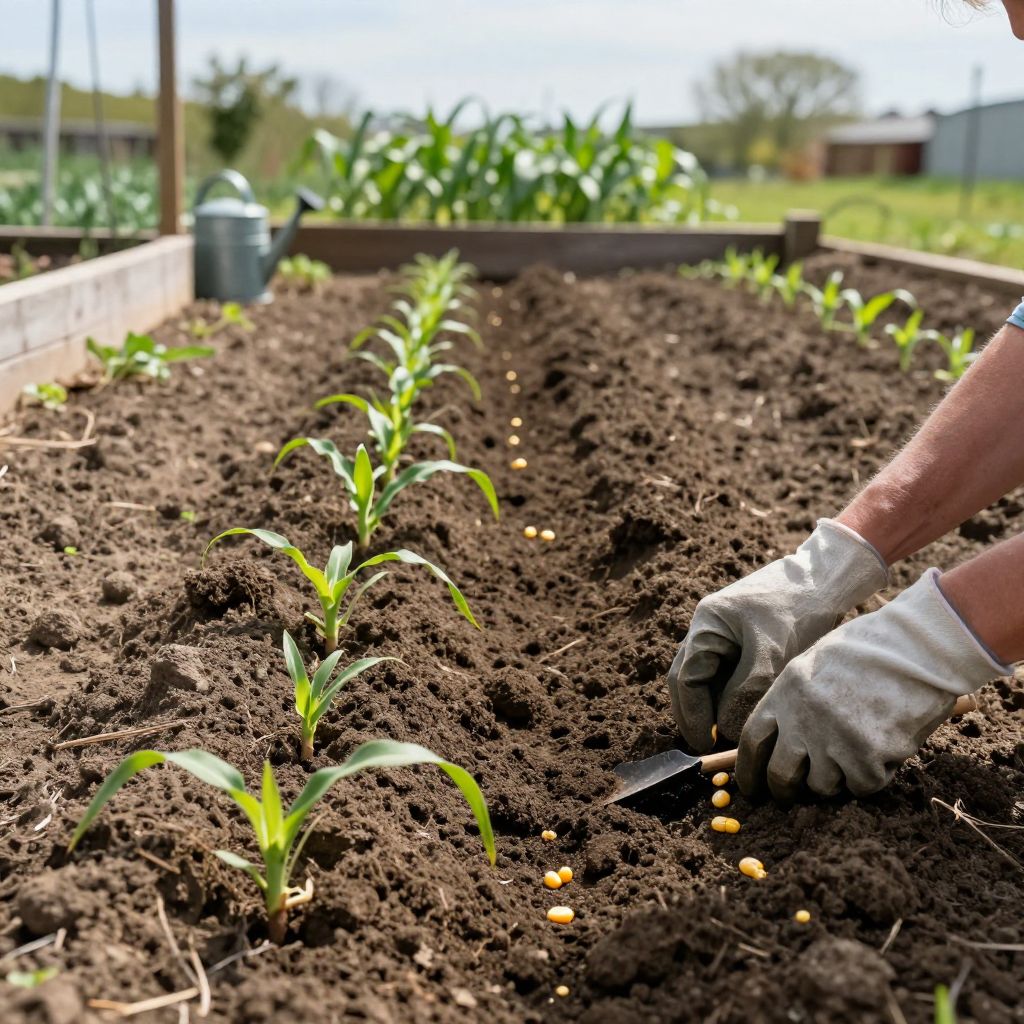
When do you plant corn? The short answer is: plant corn outdoors after the soil has warmed and all danger of frost has passed in your area. Corn germinates best in warm soil, and planting too early often leads to poor sprouting, slow growth, and seed rot.
Because corn is sensitive to cold, the right planting time depends on your local spring weather more than the calendar alone. A little patience at the start usually pays off with stronger stands, better pollination, and fuller ears later in the season.
When do you plant corn?
Plant corn in spring once soil temperatures reach about 60°F (16°C) for good germination, with 65–70°F (18–21°C) being even better. Wait until frost risk has passed and the soil is workable, then sow directly outdoors because corn dislikes root disturbance.
How to time corn planting for your climate
Corn is a warm-season crop, so the best planting window varies by region. In cooler climates, that may mean late spring; in warmer areas, it can be much earlier. The key is not the date on the calendar but the condition of your soil and the forecast.
Use soil temperature, not just air temperature
Air may feel warm during the day, but soil can still be too cold for corn seed. If you have a soil thermometer, check the planting depth in the morning for a more reliable reading.
- Below 50°F (10°C): germination is slow and unreliable.
- Around 60°F (16°C): acceptable for planting.
- 65°F and above (18°C+): ideal for faster, more even sprouting.
Watch your frost date
Corn seedlings can be damaged by frost, and even a light cold snap can set them back. A common rule is to plant after your average last frost date, but local microclimates matter. Low spots, exposed gardens, and heavy soils often stay cold longer.
Where corn grows best
Corn needs full sun, fertile soil, and steady moisture during active growth. It is a heavy feeder and performs best in a site that warms quickly in spring and drains well after rain.
- Sunlight: at least 6 to 8 hours of direct sun daily.
- Soil: loose, well-drained, and rich in organic matter.
- pH: slightly acidic to neutral soil is generally best.
- Drainage: avoid waterlogged beds, which can stunt roots and rot seed.
If your soil is heavy clay, raised beds or wide mounded rows can help it warm and drain faster. Sandy soil warms quickly but may need more compost to hold moisture and nutrients.
Improve the bed before planting
Work in compost before sowing if your soil is poor or compacted. Compost helps improve structure, moisture retention, and nutrient availability without the risk of overfeeding that can come from too much fresh fertilizer.
How to plant corn step by step
Corn is usually direct sown, meaning you plant the seed where it will grow. Transplanting often causes stress because corn roots dislike being disturbed.
- Prepare a sunny bed with loose soil and remove weeds.
- Plant seeds about 1 to 1½ inches deep in warm, moist soil.
- Space seeds a few inches apart in blocks or short rows for better pollination.
- Cover lightly and water gently but thoroughly.
- Thin seedlings if needed once they are established, keeping the strongest plants.
For home gardens, planting in blocks rather than one long row often improves pollination. Corn is wind-pollinated, so pollen must move from tassels to silks on nearby plants.
Why pollination matters
Poor pollination is one of the most common reasons for ears with missing kernels. Planting corn in a square block or at least several short, parallel rows helps pollen land where it needs to.
- Plant at least 4 short rows instead of a single row when possible.
- Keep plants close enough for pollen transfer, but not overcrowded.
- Stagger plantings if you want a longer harvest window.
Can you plant corn in summer?
Yes, in many climates you can plant corn in early to mid-summer if your season is long enough. The crop needs enough warm days to mature before the first fall frost, so late planting is only practical where autumn stays mild or the variety matures quickly.
If you are planting a second crop, count backward from your average first frost date and choose a corn type that can finish in time. In cooler regions, late planting may produce small ears or immature kernels.
Succession planting tips
To extend your harvest, sow small batches every 1 to 2 weeks in spring and early summer, as long as your season allows. This can spread out pollination and harvest, but avoid planting so late that the crop runs into cold weather.
Watering and feeding young corn
Corn grows quickly once established and needs consistent moisture, especially during tasseling and ear fill. Dry spells during these stages can reduce ear size and kernel development.
- Keep the seedbed evenly moist until seedlings emerge.
- Water deeply rather than giving frequent shallow sprinkles.
- Mulch lightly after seedlings are established to help conserve moisture.
Because corn is a heavy feeder, it benefits from fertile soil and compost. If your soil is very poor, a soil test can help you understand what it needs before planting. Overdoing nitrogen can produce tall, leafy plants with weak ear development, so balance matters.
Common mistakes when planting corn
A few planting errors can make corn disappointing even in a good season. Most are easy to avoid once you know what to look for.
- Planting too early: cold soil slows germination and increases seed loss.
- Using a single long row: this can reduce pollination and ear fill.
- Letting soil dry out: uneven moisture leads to patchy emergence.
- Overcrowding plants: too much competition can reduce ear size.
- Skipping weed control: young corn competes poorly with weeds.
What to do if seedlings emerge unevenly
Uneven emergence usually points to cold soil, inconsistent moisture, or seed planted at different depths. If only a few seeds fail, you can replant gaps quickly while the soil is still warm enough for fast germination.
Pests and diseases to watch for
Corn can face insect and disease problems, especially in crowded or stressed plantings. Healthy, well-timed planting is one of the best defenses because vigorous plants handle pressure better.
- Birds and rodents: may pull up newly planted seed.
- Cutworms: can sever young seedlings at soil level.
- Armyworms and earworms: may damage leaves or ears.
- Fungal issues: are more likely in wet, poorly drained soil.
If birds are a problem, consider row cover until seedlings are established. Keep the garden weed-free, because weeds can shelter pests and reduce airflow around the plants.
Harvest timing and signs of readiness
Although the question is when to plant corn, harvest timing matters because planting date affects maturity. Sweet corn is usually ready when silks turn brown and dry, ears feel filled out, and kernels release a milky juice when pierced.
Harvest sweet corn promptly once it is ready, because quality declines quickly after peak ripeness. If you planted at different times, check each block separately rather than assuming all ears will mature together.
Quick planting checklist
If you want a simple rule to follow, use this checklist before sowing corn:
- The last frost has passed in your area.
- Soil is at least 60°F at planting depth.
- The bed gets full sun.
- Soil drains well and has been improved with compost if needed.
- You can plant in blocks or several short rows for pollination.
- You can keep the bed evenly watered during germination and growth.
Conclusion
When do you plant corn? Plant it when your soil is warm, frost is no longer a threat, and the garden site can support fast, steady growth. If you wait for the right conditions instead of forcing an early sowing, you give your corn the best chance to emerge evenly and produce full ears.
For more seasonal vegetable-growing guidance, you may also want to read about how to prepare a vegetable garden bed and how to grow sweet corn successfully.