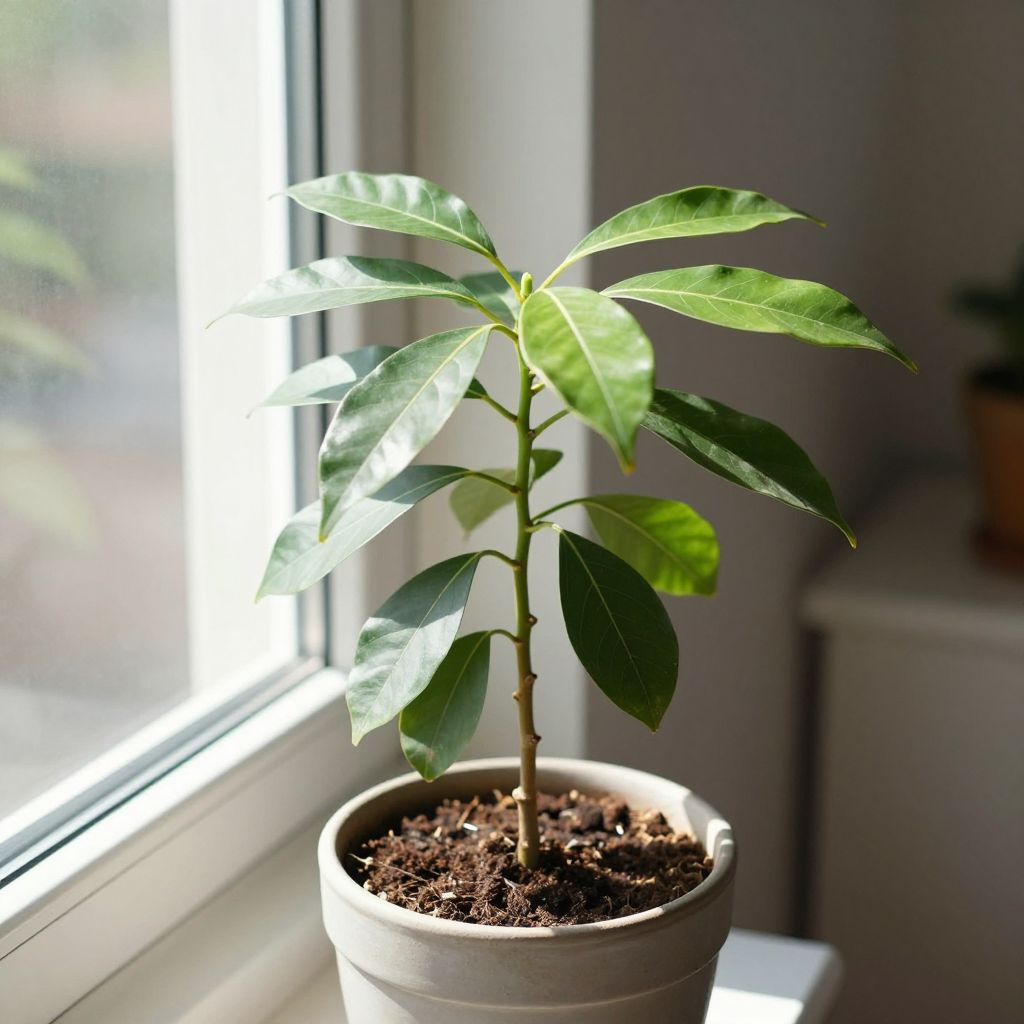
Can you grow avocados indoors? Yes—you can, and many gardeners do it successfully as a leafy houseplant or a compact fruiting tree. The key is understanding that avocado trees need strong light, warmth, excellent drainage, and patience, especially if you want fruit.
Indoor avocado care is very doable, but it is not the same as growing one in the ground. With the right pot, soil, pruning, and light, you can keep an avocado tree healthy indoors for years and sometimes even encourage flowering in very bright conditions.
Can You Grow Avocados Indoors?
Yes, avocados (Persea americana) can grow indoors if you provide bright light, a large container, fast-draining soil, and careful watering. They make attractive foliage plants first and fruiting trees only in ideal indoor conditions, so success indoors usually means healthy growth rather than guaranteed harvests.
What an Indoor Avocado Tree Needs
Avocados are subtropical trees, so they dislike cold, low light, and soggy roots. Indoors, your job is to mimic a warm, airy, well-lit environment without overwatering.
Light
Light is the biggest factor in indoor success. A sunny south- or west-facing window is best, and many homes still need a grow light to keep the plant compact and vigorous.
- Give the plant several hours of direct sun if possible.
- Rotate the pot every week or two so growth stays even.
- If leaves stretch, pale, or drop, the plant likely needs more light.
Temperature and humidity
Avocados prefer indoor temperatures that stay comfortably warm and do not swing sharply. They can tolerate typical home humidity, but dry air can cause leaf edge browning and spider mite problems.
- Keep the plant away from cold drafts and heating vents.
- Use a pebble tray or room humidifier if your home is very dry.
- Avoid placing it near frequently opened exterior doors in winter.
Container size
Start with a pot that has drainage holes and enough room for the root ball, then move up gradually as the plant grows. Oversized pots hold too much moisture and can lead to root rot.
- Choose a sturdy pot with drainage holes.
- Repot only when roots fill the container or growth slows from crowding.
- Increase pot size in small steps rather than jumping to a huge container.
Best Soil and Potting Mix for Indoor Avocados
Avocados need a loose, fast-draining mix that holds some moisture but never stays waterlogged. A heavy houseplant mix alone is often too dense for this tree.
A good blend is one that drains quickly and still supports steady root growth. You can use a quality potting mix amended with perlite, pumice, or coarse bark to improve airflow around the roots.
What to look for in a mix
- Fast drainage
- Good aeration
- Moderate moisture retention
- No standing water after watering
Drainage is non-negotiable. If the soil stays wet for too long, avocado roots decline quickly, even if the top of the plant still looks green.
How to Start an Avocado Indoors
You can grow an avocado from a pit as a fun project, but if you want a stronger chance of a productive plant, buy a grafted young tree from a nursery. Seed-grown plants are unpredictable and often take many years to mature, if they ever fruit indoors.
Starting from seed
- Clean the pit thoroughly.
- Set it in water or plant it partway into a moist, well-draining mix.
- Keep it warm and in bright light.
- Move it to a pot once roots and a shoot develop.
Seed-started avocados are best treated as a learning project. They are great for observing growth, but they are not the most reliable path to fruit.
Starting from a nursery plant
A grafted avocado tree is usually the better indoor choice because it is already selected for desirable fruiting traits. It also gives you a head start on structure and vigor.
- Inspect the leaves for pests and spotting before buying.
- Check that the trunk is sturdy and the root ball is not circling badly.
- Look for a plant that fits your available light, not just your available floor space.
Watering Avocados Indoors
Indoor avocado care depends heavily on watering correctly. The most common mistake is keeping the pot too wet, which suffocates roots and causes yellowing leaves, leaf drop, and dieback.
How to water properly
- Water thoroughly until excess drains from the bottom.
- Empty saucers so the pot does not sit in water.
- Water again only when the top layer of mix has dried slightly.
Instead of following a fixed schedule, check the pot with your finger. Water needs change with season, pot size, light intensity, room temperature, and plant size.
Signs of overwatering
- Yellowing leaves
- Soft or dropping foliage
- Musty soil smell
- Slow growth despite regular watering
Signs of underwatering
- Drooping leaves
- Dry, crispy leaf edges
- Soil pulling away from the pot sides
Feeding and Repotting
Avocados are moderate feeders indoors. They do best with light, regular nutrition during active growth rather than heavy feeding that can burn roots or push weak, lanky growth.
Fertilizing
Use a balanced houseplant or citrus-type fertilizer if needed, but follow the product label and reduce feeding if the plant is in low light or growing slowly. In winter, many indoor avocados need less or no fertilizer.
- Feed only when the plant is actively growing.
- Do not fertilize a stressed, newly repotted, or root-damaged tree.
- Flush the pot occasionally with plain water to reduce salt buildup.
When to repot
Repot when roots fill the container, water runs through too quickly, or growth stalls. Fresh mix refreshes drainage and gives roots room to expand.
- Choose a pot just one size larger.
- Handle roots gently because avocado roots are sensitive.
- Keep the trunk at the same planting depth as before.
Pruning and Training an Indoor Avocado Tree
Pruning helps keep an indoor avocado manageable and encourages branching. Without pruning, it can become tall, sparse, and awkward, especially in lower light.
How to shape it
- Pinch or cut back the main stem when the plant is tall enough to support branching.
- Remove weak, crossing, or damaged growth.
- Rotate the plant regularly so it grows evenly.
- Use clean, sharp pruners to make tidy cuts.
Do not prune too aggressively at once. Removing too much foliage can slow the plant down and reduce its ability to photosynthesize indoors.
Can Indoor Avocados Fruit?
Sometimes, but not often. Fruiting indoors is difficult because avocados need intense light, mature growth, and favorable pollination conditions. A healthy indoor tree can still be a worthwhile plant even if it never produces fruit.
If fruiting is your goal, expect a long timeline and variable results. A grafted tree, strong sun exposure, and a warm location improve your chances, but indoor fruiting is still less reliable than outdoor growing in suitable climates.
Pollination basics
Avocado flowers are unusual and may benefit from having more than one tree or from outdoor conditions that support insect movement. Indoors, pollination is often limited, which is another reason fruit set can be inconsistent.
Common Problems and How to Fix Them
Most indoor avocado problems come from light, water, or pests. Catching them early makes a big difference.
Yellow leaves
Yellowing often points to overwatering, poor drainage, or low light. Check the potting mix first, then reassess the light level.
Brown leaf tips
Dry air, salt buildup, inconsistent watering, or root stress can cause browning. Flush the soil occasionally and keep watering more even.
Leaf drop
Avocados may drop leaves after sudden changes in light, temperature, or moisture. A move to a brighter, steadier spot often helps.
Pests
Common indoor pests include spider mites, scale, and mealybugs. Inspect leaf undersides regularly, especially in dry rooms.
- Wipe leaves with a damp cloth to spot pests early.
- Isolate new plants before placing them near your avocado.
- Use the least disruptive control you can manage first, such as washing or removing pests by hand.
Root rot
Root rot is one of the most serious problems for indoor avocados. If the plant wilts while the soil stays wet, or the base of the stem softens, the roots may be failing.
- Stop watering immediately.
- Check drainage and soil texture.
- Repot into a drier, freer-draining mix if roots are still salvageable.
Seasonal Care Indoors
Indoor avocados respond to seasonal changes even when they stay inside. Growth is usually stronger in brighter months and slower when daylight decreases.
Spring and summer
This is the best time for active growth, repotting, and pruning. If your climate allows and temperatures are warm, you can gradually move the plant outdoors to a sheltered spot for the season.
Fall and winter
Expect slower growth and less water use. Keep the plant in the brightest indoor location you have and avoid overfeeding during the low-light season.
Should You Move an Indoor Avocado Outside?
If your local climate is warm enough and frost is not a concern, moving the plant outdoors for part of the year can improve light and vigor. Transition it slowly so the leaves do not scorch in sudden sun exposure.
- Acclimate it over several days or longer.
- Start in bright shade before giving stronger sun.
- Bring it back inside before cold weather arrives.
Final Tips for Success
If you want to grow avocados indoors, focus on the basics: bright light, excellent drainage, careful watering, and steady warmth. A healthy indoor avocado is very achievable, but it rewards patience more than speed.
Start with a grafted plant if you want the best chance of a productive tree, or grow from seed if you mainly want the experience. For more container-plant guidance, look for related reading on indoor citrus care and houseplant drainage basics.