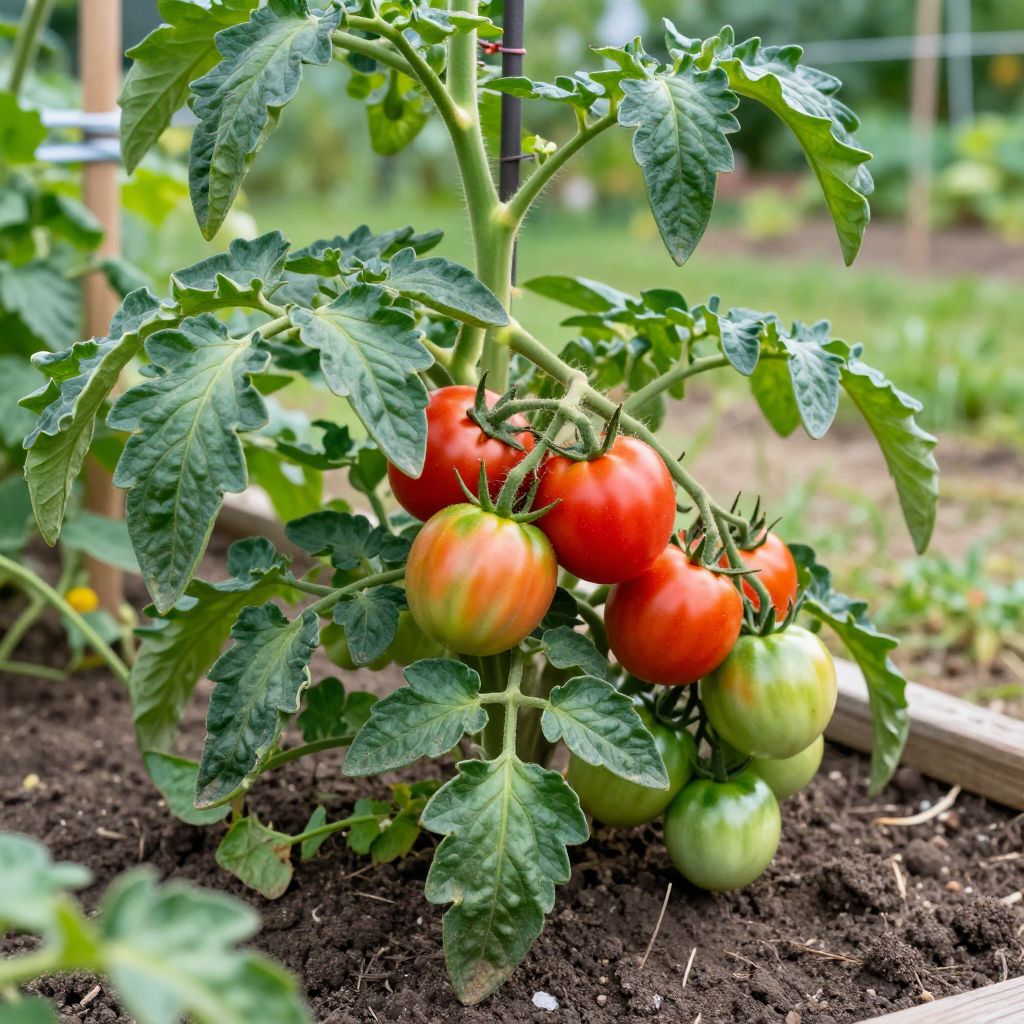
Wondering when do tomatoes ripen, and why some fruits seem to stall on the vine? Ripening depends on variety, temperature, sunlight, plant health, and the time of season, so the answer is not always a fixed date. With the right growing conditions, you can usually predict ripening more accurately and avoid losing fruit to weather, pests, or cracking.
This guide explains how to tell when tomatoes are close to ready, what affects ripening speed, and what to do if your tomatoes stay green too long. You’ll also learn how to harvest at the right stage for the best flavor and texture.
When do tomatoes ripen?
Tomatoes ripen after fruit has reached full size, usually several weeks after flowering. Most varieties take about 20 to 60 days from pollination to first ripe fruit, but cooler weather, low light, stress, or late-season planting can slow the process. Ripe tomatoes should be fully colored, slightly soft, and easy to twist from the vine.
What affects tomato ripening time?
Ripening is influenced by both the plant and the weather. If you know what slows or speeds the process, you can make better decisions about pruning, watering, and harvest timing.
Variety matters
Different tomato types ripen at different speeds. Early-season varieties are bred to mature faster, while large beefsteak types often need more time than cherry tomatoes.
- Cherry tomatoes often ripen faster and in clusters.
- Plum or paste tomatoes usually ripen steadily once they get going.
- Large slicing tomatoes often take longer to color fully.
Temperature plays a big role
Tomatoes ripen best in warm weather. Daytime temperatures around 70 to 85°F are generally favorable, while very hot conditions can slow color development. If nights stay cool, ripening may also slow down.
When temperatures drop too much, fruit can remain firm and green even if it is full-sized. In late season, this is one of the most common reasons gardeners ask when do tomatoes ripen and why they are still not turning red.
Sunlight helps, but not in the way many people think
Tomatoes need plenty of sun to grow well, but direct sunlight on the fruit is not the main driver of ripening. Healthy leaves fuel the plant, and that energy helps fruit mature. Protecting the plant from stress is often more important than exposing fruit directly.
Plant stress can delay ripening
Inconsistent watering, poor soil, root crowding, nutrient imbalance, and disease can all slow fruit development. A stressed tomato plant may focus on survival instead of finishing ripening fruit.
How to tell when a tomato is ripe
Color is the most obvious clue, but it is not the only one. A ripe tomato should have a deep, even color for its variety and give slightly when gently squeezed. It should also detach easily from the vine with a light twist or snip.
Signs your tomato is ready to pick
- The fruit has reached full size for the variety.
- The skin shows full color, such as red, yellow, orange, pink, or purple depending on type.
- The tomato feels slightly soft, not hard.
- The fruit slips or twists off with little resistance.
- The aroma is noticeable near the stem end.
Some gardeners wait for tomatoes to become fully soft on the vine, but that can increase the risk of cracking, bird damage, and overripening. Picking at the right stage helps preserve quality.
Seasonal timing: when to expect ripe tomatoes
The season matters as much as the calendar. In warm climates, tomatoes may begin ripening in early summer and continue for months. In cooler regions, the first ripe fruit may not appear until mid- to late summer, depending on when you planted and how much heat the plants received.
After transplanting
Most tomato plants need time to establish roots before they set and ripen fruit. Even if seedlings look vigorous, fruiting usually starts only after the plant has settled in and begun steady growth.
Later in the season
As nights cool in late summer or early fall, ripening often slows. Fruit may stay green longer, especially on indeterminate plants that keep flowering while older fruit is still developing.
If frost is approaching, do not wait too long for fruit to color fully on the vine. Mature green tomatoes can often be ripened indoors if they have reached full size and are starting to lighten in color.
How to encourage tomatoes to ripen faster
You cannot force ripening overnight, but you can help the plant finish fruit more efficiently. Good cultural care matters more than quick fixes.
- Keep watering consistent. Deep, even moisture supports steady fruit development. Avoid long dry spells followed by heavy watering.
- Mulch the soil. A 2 to 3 inch layer of organic mulch helps moderate soil temperature and moisture.
- Feed appropriately. Too much nitrogen can produce lush leaves with fewer ripe fruits. Use balanced soil fertility based on your garden conditions.
- Remove diseased foliage. Healthy leaves keep the plant working efficiently.
- Prune lightly if needed. In dense indeterminate plants, selective pruning can improve airflow and light penetration.
What not to do
- Do not strip too many leaves at once.
- Do not overwater in an attempt to “push” ripening.
- Do not overfertilize with high-nitrogen products late in the season.
- Do not leave overripe fruit on the vine if pests or cracking are becoming a problem.
Can you ripen green tomatoes indoors?
Yes, if the tomatoes are mature enough. Mature green tomatoes are full-sized and may show a slight color change, called the breaker stage, near the blossom end. These fruits can finish ripening indoors, especially when cold weather threatens.
Best way to ripen tomatoes indoors
- Pick fruits that are full-sized and mature green or just starting to blush.
- Wipe off excess moisture and remove damaged fruit.
- Place them in a single layer in a shallow box, tray, or paper bag.
- Keep them in a warm indoor spot out of direct sun.
- Check them daily and remove any fruit that starts to rot.
For faster ripening, some gardeners place a ripe banana or apple nearby because these fruits release ethylene gas. This can help, but good airflow and regular checking are still important to prevent mold.
Why tomatoes stay green too long
If your tomatoes seem stuck, the cause is usually environmental or cultural rather than a single problem. Identifying the issue helps you decide whether to wait, adjust care, or harvest early.
Common reasons for slow ripening
- Cool temperatures slow pigment development.
- Excess nitrogen encourages leaf growth over fruit ripening.
- Poor light or overcrowding reduces plant energy.
- Water stress interrupts normal fruit development.
- Disease or pest damage weakens the plant.
- Too much fruit load can slow the whole plant down.
If the plant is healthy but the season is ending, patience may be enough. If the plant looks stressed, focus on improving conditions rather than waiting for fruit to “catch up” on its own.
Harvesting tomatoes at the right stage
Harvest timing affects flavor, shelf life, and texture. Picking too early can mean bland fruit, while waiting too long can lead to splitting or insect damage. The best stage depends on whether you plan to eat the tomato right away or store it briefly.
For immediate eating
Pick tomatoes when they are fully colored and slightly soft. These usually have the best flavor and aroma.
For short storage or transport
Harvest when the fruit is just starting to color or at the breaker stage. It can finish ripening indoors with less risk of cracking or bird damage.
Use clean pruners or gently twist the fruit from the stem. Avoid pulling hard, which can damage the vine and nearby fruit clusters.
Common ripening problems and fixes
Several issues can interfere with ripening even when the plant looks healthy at first glance. A few simple checks can help you narrow down the cause.
Blossom end rot
This appears as a dark, sunken spot on the bottom of the fruit. It is often linked to inconsistent moisture and calcium uptake problems, not simply a lack of calcium in the soil.
Fix: Water evenly, mulch the soil, and avoid letting plants dry out completely between waterings.
Cracking
Cracks often happen after heavy rain or irregular watering when fruit swells too quickly.
Fix: Keep moisture more consistent and harvest nearly ripe fruit before major weather changes if needed.
Sunscald
If fruits are suddenly exposed by heavy pruning or leaf loss, they may develop pale, damaged patches.
Fix: Prune lightly and keep enough foliage to shade fruit during intense sun.
Pests and disease
Hornworms, aphids, stink bugs, and fungal diseases can weaken the plant and reduce ripening speed.
Fix: Inspect plants regularly, remove affected leaves when appropriate, and maintain good airflow around the plant.
Simple care checklist for better ripening
If you want tomatoes to ripen well, focus on steady plant health from flowering through harvest. Small, consistent care steps usually matter more than dramatic interventions.
- Plant in well-drained soil enriched with compost.
- Give tomatoes full sun and enough space for airflow.
- Water deeply and consistently at the base of the plant.
- Use stakes, cages, or trellises to keep fruit off the ground.
- Watch for pests and disease early.
- Harvest mature fruit before frost or prolonged cold weather.
Conclusion
When do tomatoes ripen? Usually after the fruit is full-sized and the plant has had several warm, healthy weeks to finish the job. If ripening is slow, check temperature, watering, plant stress, and season length before assuming something is wrong. Start by inspecting one plant closely today, then harvest any mature fruit that is ready to finish indoors if needed.
For more practical tomato-growing help, you may also want to read about how to prune tomato plants and common tomato diseases and fixes.