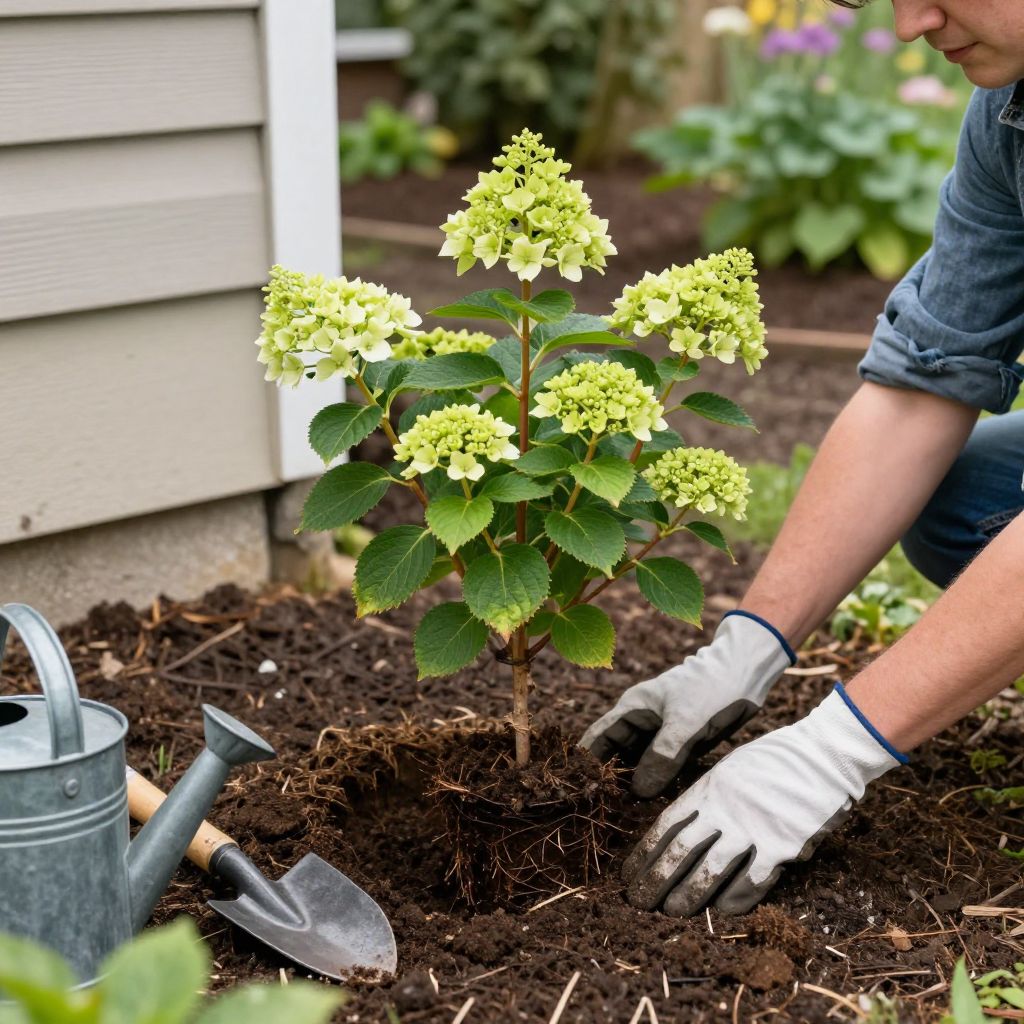
When should you plant Limelight hydrangea? The best time is usually in spring or early fall, when temperatures are mild and the shrub can settle in without heat stress or hard freezes. The exact window depends on your climate, but the goal is the same: give the roots time to establish before extreme weather arrives.
Limelight hydrangea (Hydrangea paniculata ‘Limelight’) is a forgiving shrub, but planting at the right time makes a big difference in how quickly it grows and how well it blooms. With good soil preparation, steady moisture, and the right amount of sun, you can set it up for years of strong flower display.
When to plant Limelight hydrangea?
Plant Limelight hydrangea in spring after the danger of hard frost has passed or in early fall at least 6 to 8 weeks before the ground freezes. Spring planting is safest in colder regions, while fall planting can work well in mild climates if the shrub has time to root before winter.
Best planting season by climate
Spring planting
Spring is the most reliable time to plant Limelight hydrangea in most areas. Cool soil and increasing daylight encourage root growth before summer heat arrives.
- Best for cold winters and short growing seasons
- Gives the shrub a full season to establish
- Helps reduce winter injury in newly planted shrubs
Fall planting
Fall is a good option where autumn stays mild for several weeks. The soil is still warm, which helps roots grow even as the top growth slows down.
- Best in regions with moderate winters
- Works well when daytime temperatures are cooler
- Requires careful watering until the ground cools
Summer planting
Summer is not ideal, but you can still plant a container-grown Limelight hydrangea if needed. Just expect more watering, more stress, and a slower start.
- Plant only if you can water consistently
- Choose an overcast day or late afternoon
- Mulch well to protect the root zone
How to choose the right planting spot
Limelight hydrangea grows best in full sun to part shade. In cooler climates, more sun usually improves flowering. In hotter areas, some afternoon shade helps protect the plant from stress and leaf scorch.
Ideal site conditions
- Sunlight: at least 4 to 6 hours of sun is a good target
- Soil: fertile, well-drained soil is best
- Space: allow room for mature spread and air circulation
- Drainage: avoid low spots where water sits after rain
If your soil stays wet for long periods, improve drainage before planting. Hydrangeas like moisture, but they do not like soggy roots.
Preparing the soil before planting
Good soil preparation helps Limelight hydrangea establish quickly. Aim for loose, evenly moist soil that drains well but still holds some organic matter.
Simple soil prep steps
- Clear the planting area of weeds and grass.
- Dig a hole about twice as wide as the root ball, but no deeper than the pot.
- Loosen compacted soil around the planting area.
- Mix in compost if your soil is poor or very sandy.
- Check drainage by watering the hole and seeing how quickly it empties.
Use compost to improve structure, but avoid creating a “pot in a hole” effect with too much amended soil only in the planting hole. The roots need to move outward into the surrounding ground.
How to plant Limelight hydrangea step by step
Whether you buy a nursery container plant or a balled-and-burlapped shrub, the planting process is similar. The most important thing is to keep the root flare near soil level and water thoroughly after planting.
Planting instructions
- Water the plant in its pot before planting.
- Dig a hole twice as wide as the root ball and just as deep.
- Remove the plant from the container and gently loosen circling roots.
- Set the shrub so the top of the root ball is level with or slightly above the surrounding soil.
- Backfill with native soil, firming gently to remove air pockets.
- Water deeply to settle the soil.
- Apply 2 to 3 inches of mulch, keeping it a few inches away from the stems.
Do not plant too deeply. One of the most common mistakes with hydrangeas is burying the crown under extra soil or mulch. Deep planting can slow growth and increase rot problems.
Watering after planting
Newly planted Limelight hydrangea needs consistent moisture while roots spread into the surrounding soil. The goal is evenly moist soil, not constant saturation.
First-season watering tips
- Water deeply right after planting
- Check soil moisture regularly during the first growing season
- Water when the top inch or two of soil begins to dry
- Water at the base of the plant to reduce leaf wetness
Container-grown shrubs dry out faster than established plants in the ground. During hot spells, they may need more frequent watering than you expect.
Mulch, spacing, and support
Mulch helps conserve moisture, moderate soil temperature, and suppress weeds. A 2- to 3-inch layer of shredded bark, pine fines, or other organic mulch is usually enough.
Spacing and airflow
Give Limelight hydrangea enough room to mature without crowding nearby shrubs or fences. Good spacing improves air movement, which helps reduce disease pressure and keeps the plant looking fuller.
- Leave room for the shrub’s mature width
- Avoid planting too close to foundations or paths
- Keep mulch off the stems
Most Limelight hydrangeas do not need staking once established, but a newly planted shrub in a windy site may benefit from temporary support until roots anchor it.
How to care for Limelight hydrangea after planting
Once planted, focus on steady care rather than frequent intervention. Limelight hydrangea is relatively low-maintenance, but it performs best with the right balance of moisture, light, and pruning.
Sunlight and heat
In cooler regions, more sun usually means better flowering. In hotter climates, afternoon shade can prevent stress and help blooms last longer.
Fertilizing
If your soil is average to rich, you may not need much fertilizer at planting time. Too much nitrogen can push leafy growth at the expense of flowers. A light feeding in spring is often enough for established shrubs, but always follow product directions and soil needs.
Pruning
Limelight hydrangea blooms on new wood, which makes pruning simpler than with some other hydrangeas. Prune in late winter or early spring before new growth starts, if needed, to shape the shrub or remove dead stems.
- Remove dead, damaged, or crossing branches
- Cut back to a healthy pair of buds or to the desired framework
- Avoid heavy pruning late in the season if you want to preserve structure
Common problems when planting Limelight hydrangea
Poor bloom the first year
New shrubs often focus on root growth first. Limited flowering in the first season is normal, especially if planting was late or the plant experienced heat stress.
Wilting after planting
Wilting can mean the roots are not yet taking up enough water, or the plant is getting too much sun during establishment. Check soil moisture before watering again, and protect the shrub from afternoon heat if needed.
Yellowing leaves
Yellow leaves can come from overwatering, poor drainage, or nutrient issues. If the soil stays wet, improve drainage and reduce watering frequency.
Leaf spots or mildew
Good spacing, morning sun, and watering at the base of the plant help reduce fungal issues. Remove heavily affected leaves if needed, and avoid wetting the foliage late in the day.
Can you plant Limelight hydrangea in a pot?
Yes, you can grow Limelight hydrangea in a large container if you choose a pot with excellent drainage and enough volume for root growth. Container plants dry out faster than in-ground shrubs, so they need closer attention, especially in summer.
- Use a large container with drainage holes
- Choose a high-quality potting mix, not garden soil
- Water more often than you would in the ground
- Move the pot where it gets the right sun exposure
Container-grown hydrangeas may need repotting as they grow. If roots circle the pot or water runs straight through too quickly, it is time for a larger container or root refresh.
When to expect growth and blooms
After planting, Limelight hydrangea may spend its first season building roots and foliage. Once established, it typically becomes more vigorous and produces stronger flowering.
Patience matters here. A well-planted shrub in the right season often looks modest at first, then improves noticeably as roots settle in and the plant adapts to its site.
Quick checklist for planting success
- Plant in spring or early fall, depending on your climate
- Choose a site with sun and good drainage
- Dig a wide hole, not a deep one
- Keep the root flare near soil level
- Water deeply after planting and during dry spells
- Mulch, but keep mulch away from stems
- Prune lightly only when needed, usually in late winter or early spring
Conclusion
The best answer to when to plant Limelight hydrangea is simple: plant it in spring or early fall when temperatures are mild and the shrub can establish roots without stress. If you prepare the soil well, water consistently, and give it the right amount of sun, your hydrangea will have a strong start.
If you want to keep building your shrub border, you may also enjoy reading more about how to improve garden soil with compost and pruning flowering shrubs at the right time.