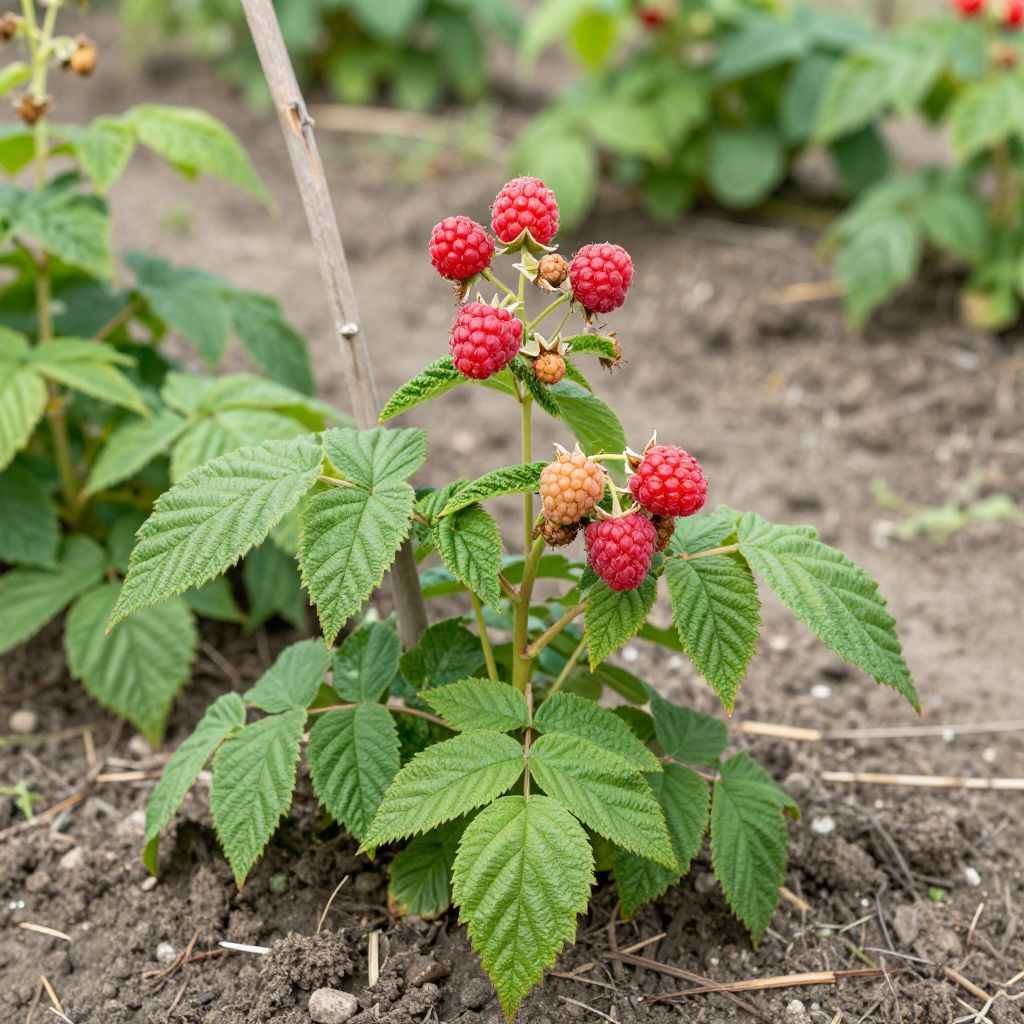
When are raspberries in season? The short answer is that most raspberries ripen in early to midsummer, with some varieties producing a second crop later in the season. The exact timing depends on whether you grow summer-bearing or everbearing raspberries, plus your local climate, sun exposure, and pruning routine.
If you want the best harvest, it helps to know when each type fruits, how to spot ripe berries, and what to do in the weeks leading up to picking. Raspberries are easy to enjoy at their peak when you match the plant’s growth habit to your garden and keep the canes healthy.
When are raspberries in season?
Raspberries are usually in season from late spring through summer, with peak harvest often falling between June and August in many temperate gardens. Summer-bearing raspberries produce one main crop on second-year canes, while everbearing types can give a smaller early crop and a larger late-summer or fall crop.
What affects raspberry season timing?
Raspberry season is not the same everywhere. Your harvest window shifts with variety, climate, elevation, and how much sun the plants receive.
Type of raspberry
- Summer-bearing raspberries ripen once per year, usually over a few weeks.
- Everbearing or fall-bearing raspberries can fruit twice, though many gardeners get the best crop in late summer or early fall.
- Some red, black, and purple raspberries ripen at slightly different times, even in the same garden.
Climate and local weather
Cooler regions tend to push harvest later, while warmer areas bring it on earlier. A cold spring, late frost, or a cool summer can delay ripening, and a hot spell can shorten the picking window.
Sunlight and plant vigor
Raspberries need full sun for the best fruiting. In partial shade, canes may grow well but berries often ripen later, stay smaller, or taste less sweet.
How to tell when raspberries are ripe
Raspberries are ready when they come off the receptacle easily with a gentle tug and have full color for the variety. Ripe berries should feel plump, look matte rather than shiny, and taste sweet with good aroma.
- Pick berries that detach without resistance.
- Look for even color across the fruit.
- Check daily during peak season, because ripe berries can go overripe quickly.
- Harvest in the cool part of the day for better flavor and shelf life.
Common ripening mistakes
- Picking too early: berries may look colored but still taste tart and stay firm.
- Waiting too long: fruit softens, darkens, and may attract insects or mold.
- Pulling hard: if you must tug, the berry is likely not ready yet.
Season differences between summer-bearing and everbearing raspberries
Knowing your raspberry type is the easiest way to predict harvest time and prune correctly. If you are unsure which type you have, watch where the fruit forms on the canes and when it appears.
Summer-bearing raspberries
These produce fruit on canes that grew the previous year. You usually get one concentrated crop in early to midsummer, depending on your region.
After harvest, the fruiting canes are removed because they will not bear again. New green canes grow during the season and become next year’s crop.
Everbearing raspberries
These can fruit on the tips of first-year canes in late summer or fall, and sometimes again on lower cane sections the following year. Many gardeners choose to mow or cut all canes down in late winter for a simpler single fall crop.
That pruning choice changes when you harvest, so it is worth deciding which system fits your climate and how much fruit you want.
How to extend your raspberry season
You can lengthen your harvest by planting more than one type, choosing varieties with staggered ripening times, and keeping the canes healthy through the season. Good care does not make berries ripen outside their natural window, but it can improve both timing and yield.
Plant a mix of varieties
- Combine an early summer-bearing type with a later ripening one.
- Add an everbearing variety if you want a second harvest later in the year.
- Choose varieties suited to your climate rather than chasing the earliest possible crop.
Give plants full sun and room to breathe
Raspberries do best in a sunny site with good air movement. Crowded plantings can delay ripening and increase disease pressure, especially in damp weather.
Keep moisture steady
Uneven watering can stress plants and reduce berry size. Aim for consistent moisture, especially while flowering and fruit is forming, but avoid soggy soil.
Growing conditions that support a better harvest
Raspberries are not difficult, but they do best in a site that drains well and stays productive for several years. Healthy canes are more likely to ripen fruit on time and with good flavor.
Soil and drainage
Raspberries prefer fertile, well-drained soil enriched with organic matter. Heavy, waterlogged soil can weaken roots and slow growth, while very dry soil can reduce berry size and shorten the season.
If your soil is poor, work in compost before planting and mulch afterward to help conserve moisture. Raised beds can help in wet sites, as long as they do not dry out too quickly.
Mulch and compost
- Use compost to improve soil structure and feed soil life.
- Apply organic mulch to help keep roots cool and moist.
- Keep mulch a little away from cane bases to reduce rot risk.
Support and spacing
Many raspberries benefit from a trellis or support system. Keeping canes upright improves light exposure, makes picking easier, and helps fruit dry faster after rain.
Pruning tips that affect fruiting time
Pruning is one of the biggest factors in raspberry season because it determines which canes will fruit and when. The wrong cut can remove next year’s crop or make the patch overcrowded.
For summer-bearing raspberries
- After harvest, cut out the canes that fruited this year at ground level.
- Keep the strongest new green canes for next year’s crop.
- Thin weak or crowded canes so light can reach the row.
For everbearing raspberries
- If you want one fall crop, cut all canes down in late winter or early spring.
- If you want two crops, leave the canes over winter and remove only the fruited sections after the early crop.
- Choose one system and stay consistent from year to year.
Tip: If your patch becomes tangled and shaded, fruit often ripens later and is harder to pick. Regular pruning improves both timing and quality.
Common pests and diseases that can delay harvest
Healthy plants ripen on schedule more reliably than stressed ones. A few common problems can reduce yield, soften fruit, or shorten the picking season.
Pests to watch for
- Birds: they can strip ripe berries quickly, so netting may be useful as fruit colors up.
- Aphids: these can weaken new growth and spread disease.
- Spotted wing drosophila: this fruit fly can damage ripening berries in some areas, so harvest promptly and remove overripe fruit.
Diseases and stress issues
- Gray mold: more common in cool, wet weather and crowded plantings.
- Cane diseases: dead or spotted canes should be removed to improve airflow.
- Root stress: poor drainage or drought can reduce fruit quality and delay ripening.
Good spacing, sanitation, and prompt harvesting are the best low-tech defenses. Remove fallen fruit and prune out damaged canes to reduce future problems.
How to harvest raspberries for the best flavor
Pick raspberries gently and often. The more frequently you harvest, the fewer berries you lose to overripening, insects, and rain damage.
- Use shallow containers so berries are not crushed under their own weight.
- Handle fruit lightly; raspberries bruise easily.
- Harvest every one to two days during peak ripening if possible.
- Remove any soft, moldy, or damaged berries from the plant and ground.
If rain is expected, picking slightly early can be better than losing fruit to splitting or mold. Raspberries do not improve much after harvest, so timing matters.
When to expect raspberries in your garden
If you are growing raspberries for the first time, the easiest way to estimate season is to identify the type, then watch the canes as buds swell and flowers open. From there, fruit usually follows within a few weeks, though weather can speed things up or slow them down.
In many gardens, the main raspberry season runs from early summer into mid- or late summer, with everbearing types extending the harvest into fall. The best way to know your own timing is to observe your plants for one full season and note when flowering and ripening begin.
For more practical growing help, you may also want to read about how to prune raspberries for better fruiting and choosing the best berry plants for a home garden.