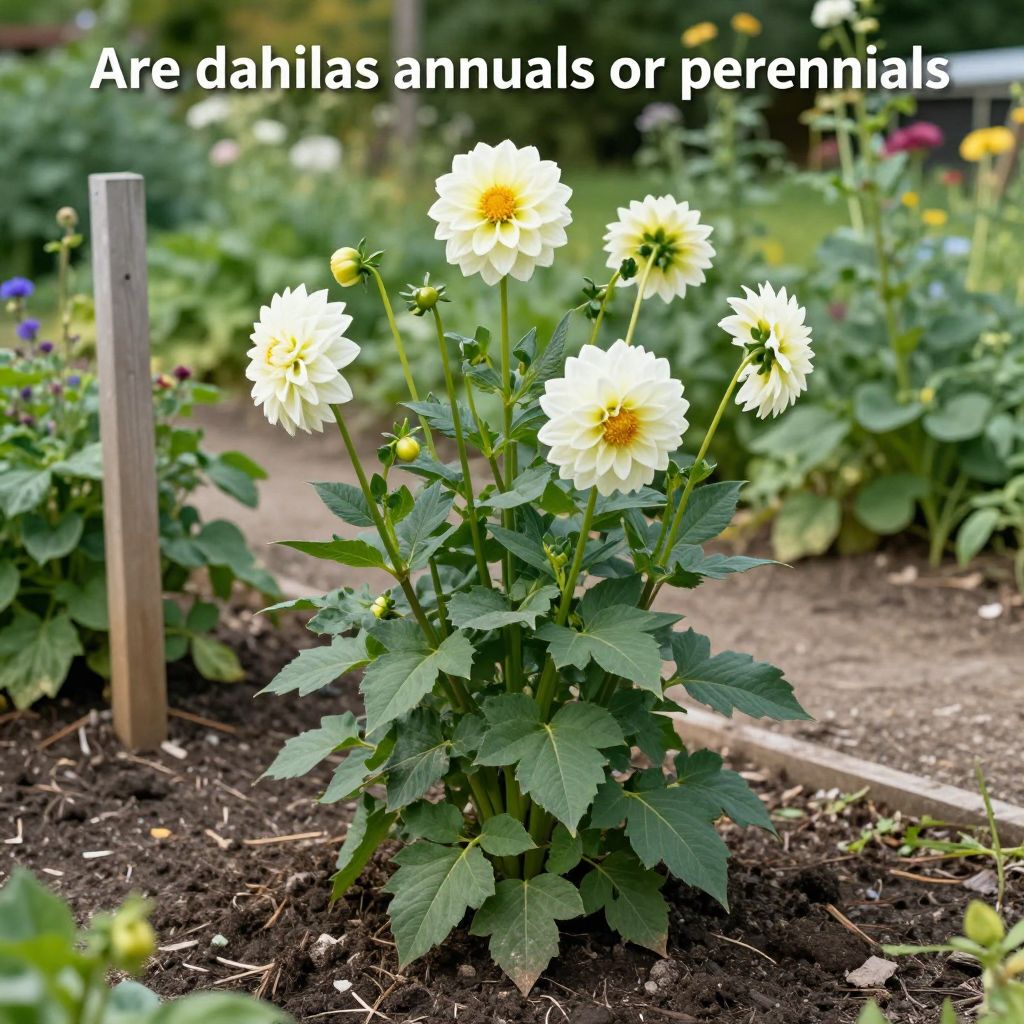
Are dahlias annuals or perennials? The short answer is that dahlias are technically tender perennials, but in many gardens they are grown like annuals because they cannot survive freezing winters in the ground. Whether yours return next year depends mostly on your climate, soil drainage, and how you store the tubers over winter.
If you give dahlias the right conditions, they can bloom for months and come back year after year in mild climates or with winter protection. Here’s how to tell what to expect, how to care for them, and what to do so you get the best flowers possible.
Are dahlias annuals or perennials?
Dahlias are perennial tuberous plants in warm, frost-free climates, but they are usually treated as annuals in cold regions because freezing temperatures kill the tubers. In most home gardens, you plant them in spring, enjoy summer and fall blooms, then lift and store the tubers if winter is cold.
Why dahlias behave differently in different gardens
Dahlias grow from fleshy underground tubers, not true bulbs. Those tubers store energy for the next season, but they are sensitive to frost and prolonged wet cold soil.
That means the plant can be perennial in one garden and effectively annual in another. The deciding factors are usually winter minimum temperatures, soil drainage, and whether the tubers are lifted and stored indoors.
When dahlias can stay in the ground
- In mild climates where the ground does not freeze hard.
- In well-drained soil that does not stay soggy through winter.
- When gardeners mulch or otherwise protect the planting area from cold.
When dahlias should be lifted
- In areas with hard frost or frozen ground.
- In wet soils that can rot tubers over winter.
- Anywhere you want to be sure of saving named varieties for next year.
How to grow dahlias successfully
Dahlias reward good basic care. They need full sun, fertile soil, steady moisture, and support for taller varieties. If you meet those needs, they usually flower better and produce stronger tubers for the following season.
Planting site and soil
Choose a spot with at least 6 to 8 hours of direct sun each day. Morning sun is especially helpful in hot climates because it dries dew and reduces disease pressure.
Soil should be loose, rich, and free draining. Heavy clay can work if you improve it with compost and avoid overwatering, but tubers are more likely to rot in compacted or waterlogged ground.
- Work in compost before planting.
- Avoid fresh manure, which can be too strong and overly rich.
- If drainage is poor, consider raised beds or large containers.
Planting tubers
Plant dahlia tubers after the danger of frost has passed and the soil has warmed. In cooler climates, planting too early can lead to rot before growth begins.
- Prepare the bed with loose, fertile soil.
- Set the tuber horizontally with the crown facing up.
- Cover with a few inches of soil, following the size of the tuber and local conditions.
- Do not water heavily until shoots appear if the soil is cool and damp.
Important: The “eye” or growing point is on the crown, not on the tuber roots themselves. If the crown is damaged or missing, that tuber may not sprout.
Watering and feeding
Once growth starts, water deeply when the top layer of soil begins to dry. Dahlias like even moisture, but they dislike constantly wet soil.
Feed lightly after plants are established. Too much nitrogen can produce lush leaves and fewer flowers, so choose a balanced approach rather than pushing leafy growth.
- Water at the base to keep foliage drier.
- Mulch to help hold moisture and moderate soil temperature.
- Reduce watering if the weather is cool and rainy.
Staking and pruning
Many dahlias, especially taller types, need support. Wind, heavy blooms, and summer storms can snap stems if you do not stake them early.
For bushier plants and more manageable stems, pinch the growing tip when plants are young and healthy. This can encourage branching, though it may delay the first flowers a little.
- Install stakes at planting time to avoid root damage later.
- Use soft ties that do not cut into stems.
- Remove spent flowers regularly to keep blooms coming.
How to overwinter dahlias
If you live where winters freeze, overwintering is the key difference between treating dahlias as annuals and keeping them as perennials. The goal is to protect the tubers from frost and excess moisture.
When to dig tubers
Wait until the foliage has been blackened by frost or has died back naturally. This allows the tubers to finish storing energy for the next season.
After cutting stems back, carefully lift the clump with a fork or spade, taking care not to slice through the tubers. Let them dry briefly in a sheltered spot before storage.
How to store them
Store tubers in a cool, dark, frost-free place with moderate humidity. The exact method varies by climate and storage space, but the main goal is to keep them from shriveling or rotting.
- Remove excess soil gently.
- Label varieties clearly before storage.
- Pack in dry material such as peat-free compost, vermiculite, or wood shavings if needed.
- Check occasionally for rot or shriveling during winter.
If tubers shrivel, the storage area may be too dry. If they soften or mold, it is probably too damp or too warm.
Common dahlia problems and how to fix them
Dahlias are not difficult, but they do have a few common problems. Catching these early makes a big difference in flowering and tuber survival.
Rotting tubers
Rot usually happens from cold, wet soil or poor drainage. To prevent it, plant later in spring, improve drainage, and avoid watering heavily before growth begins.
Few flowers
Too much shade, too much nitrogen, or overcrowding can reduce bloom production. Move plants to a sunnier location, avoid overfeeding, and give each plant enough space for air circulation.
Slugs, snails, and aphids
Young shoots can be damaged by slugs and snails, while aphids may cluster on tender growth. Hand-picking, barriers, and encouraging beneficial insects can help. Strong water sprays can dislodge aphids from stems and buds.
Powdery mildew and leaf spotting
These problems are more likely in humid, crowded plantings. Space plants well, water at soil level, and remove badly affected leaves if needed.
Growing dahlias in containers
Containers are a good option if your soil is heavy, your space is small, or you want easier winter storage. Choose a pot with drainage holes and enough room for root growth.
Container-grown dahlias dry out faster than garden plants, so they need closer attention to moisture. They may also need more frequent feeding because nutrients wash out faster from pots.
- Use a rich, free-draining potting mix.
- Choose compact or medium-height varieties for stability.
- Stake container plants if they get tall.
- Move pots to shelter if early frost threatens.
How to decide whether to treat dahlias as annuals or perennials
The best approach depends on your climate and how much effort you want to invest. If winters are mild, you may leave tubers in the ground and enjoy perennial growth. If winters are cold, lifting and storing tubers is usually the safest way to keep them.
- Warm climate: Dahlias can often stay in the ground with good drainage.
- Cold climate: Dig and store tubers after frost.
- Wet winter soil: Lift tubers even if freezes are light.
- Low-maintenance gardening: Treat them as annuals and replant each year if needed.
Either way, dahlias are worth growing for their long season of color. If you want them to return, focus on drainage, frost protection, and careful storage. If you prefer a simpler approach, enjoy them as a high-impact seasonal flower and replant fresh tubers each spring.
For more practical flower-growing advice, you may also want to read about how to plant bulbs and tubers for strong seasonal blooms and how to prepare garden soil for flowering plants.