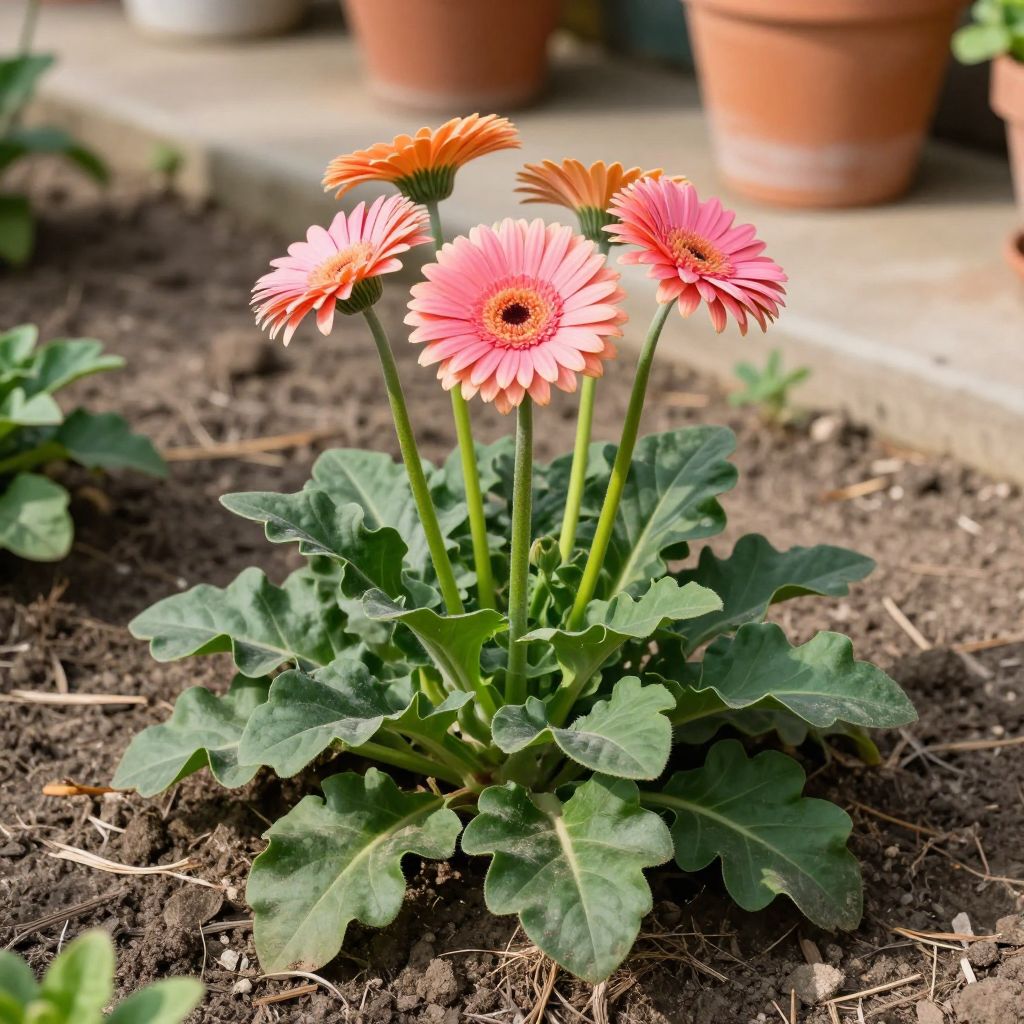
Are gerbera daisies perennials? The short answer is: often yes, but it depends on your climate and whether you grow them outdoors or in pots. Gerbera jamesonii is a tender perennial in warm regions, but in colder areas it’s usually treated as an annual or brought indoors for winter.
If you want to keep gerbera daisies thriving year after year, the key is matching their needs to your local weather, soil, and watering habits. They can be rewarding plants, but they dislike cold, soggy conditions and need good drainage to stay healthy.
Are Gerbera Daisies Perennials?
Gerbera daisies are perennial plants in frost-free or mild climates, where they can live for several years. In colder regions, they usually survive only outdoors through the warm season unless you overwinter them indoors or in a protected space.
Their perennial nature depends less on the plant itself and more on winter temperatures, soil drainage, and whether the crown stays dry and unfrozen. In many gardens, gerberas are grown as seasonal bedding plants even though they are biologically capable of living longer.
How Gerbera Daisies Grow in Different Climates
Warm climates
In areas with mild winters and little or no frost, gerbera daisies can behave like true perennials. They may die back slightly in cooler weather, then regrow from the crown when conditions improve.
Even in warm regions, they do best where nights are not overly humid and the soil drains quickly. Persistent wetness around the crown is one of the fastest ways to lose a healthy plant.
Cold climates
If your garden gets hard freezes, gerbera daisies are not reliable winter perennials outdoors. Frost can damage the crown and roots, and wet winter soil makes the problem worse.
In these regions, many gardeners treat gerberas as summer flowers, then replace them each year or move potted plants indoors before cold weather arrives.
Potted plants
Container-grown gerbera daisies are easier to protect because you can move them to a bright, sheltered spot when temperatures drop. This gives you the best chance of keeping them alive from one year to the next.
Just remember that pots dry out faster than garden beds, so container plants need close attention to moisture without becoming waterlogged.
Best Growing Conditions for Long-Lasting Gerbera Daisies
To keep gerbera daisies behaving like perennials, focus on the conditions they prefer: bright light, excellent drainage, and moderate moisture. They are not difficult plants, but they are picky about staying too wet or too cold.
- Sunlight: Full sun in cooler climates; light afternoon shade in hot regions.
- Soil: Loose, fertile, well-drained soil.
- Drainage: Essential. Heavy clay or soggy beds shorten plant life.
- Water: Even moisture, but never saturated soil.
- Temperature: Best in mild conditions; frost is a major risk.
Soil and drainage
Gerbera daisies perform best in soil that drains quickly after rain or watering. If your soil stays wet, improve it before planting by adding compost and, if needed, planting in raised beds or mounds.
Avoid burying the crown too deeply. The crown should sit at or just above soil level so it can dry properly and resist rot.
Sunlight needs
Gerberas bloom best with plenty of light. In cooler climates, they can handle full sun. In very hot areas, some afternoon shade helps reduce stress and keeps flowers looking fresher.
If leaves look scorched or flowers fade quickly, the plant may be getting too much intense heat. If stems stretch and flowering drops, it likely needs more light.
How to Plant Gerbera Daisies for Better Perennial Performance
Whether you are planting in the ground or in a container, the goal is the same: give the crown air, the roots drainage, and the plant enough room to grow without crowding.
- Choose a site with bright light and good air circulation.
- Work compost into the soil if it is poor or compacted.
- Make sure the planting area drains well after rain.
- Set the plant so the crown is level with the soil surface.
- Water gently after planting, then let the top layer of soil dry slightly before watering again.
For containers, use a high-quality potting mix rather than garden soil. A pot with drainage holes is essential, and a slightly wider container often performs better than a deep one.
Watering and Feeding Tips
Gerbera daisies need consistent moisture, but they do not tolerate wet feet. The safest approach is to water when the top inch of soil feels dry, then water thoroughly and let excess drain away.
Try to keep water off the crown and leaves when possible. Wet foliage can encourage disease, especially in humid weather or crowded plantings.
Fertilizer basics
Gerberas are moderate feeders. Too much fertilizer can produce soft growth and fewer flowers, while too little can leave them weak and sparse.
A balanced, slow-release fertilizer or a light monthly feeding during active growth is usually enough, but always adjust to your soil, container mix, and plant response. If the plant is already growing vigorously, avoid overfeeding.
Do Gerbera Daisies Come Back Every Year?
Yes, they can come back every year in the right conditions. In frost-free climates, garden-planted gerberas may return for multiple seasons if they stay healthy through winter.
In colder climates, they usually will not survive outdoors year-round unless they are in a protected microclimate or moved inside. Even then, success depends on light, humidity, and avoiding rot during the dormant season.
Signs your gerbera may overwinter successfully
- The crown is firm, not mushy.
- Leaves remain healthy and pest-free.
- The plant is growing in well-drained soil.
- Winter temperatures stay mild or the plant is protected.
Signs it may not return
- Blackened or soft crown tissue.
- Persistent yellowing from overwatering.
- Root rot after rainy periods.
- Frost damage on exposed plants.
Pruning, Deadheading, and General Maintenance
Regular maintenance helps gerbera daisies keep flowering and reduces disease problems. Deadheading is especially useful because it encourages the plant to put energy into new blooms instead of seed production.
- Remove spent flowers by cutting the stem back to the base.
- Trim yellowing or damaged leaves to improve airflow.
- Clear fallen debris from around the crown.
- Check often for signs of rot or pests.
Use clean, sharp snips or pruners. This reduces tearing and helps prevent disease from spreading between cuts.
Common Problems That Shorten Plant Life
Most gerbera daisy problems come from excess moisture, poor airflow, or cold stress. If your plant seems to decline quickly, those are the first conditions to check.
Root and crown rot
This is one of the most common reasons gerberas fail. Symptoms include wilting even when soil is wet, soft crowns, and yellowing leaves.
The best fix is prevention: improve drainage, avoid overwatering, and keep the crown above the soil line. Once crown rot is advanced, recovery is often difficult.
Powdery mildew and leaf spots
These fungal issues are more likely when plants are crowded or watered overhead. Improve spacing, water at the base, and remove affected leaves if the problem is minor.
Pests
Aphids, spider mites, thrips, and whiteflies can sometimes attack gerbera daisies, especially indoors or in sheltered spots. Check the undersides of leaves regularly.
If pests appear, start with a strong rinse of water, then use an appropriate low-impact control if needed. Healthy, unstressed plants are less likely to suffer serious infestations.
How to Propagate Gerbera Daisies
Gerbera daisies are sometimes propagated by division or from seed, but division is not always easy and seed-grown plants may vary. For home gardeners, the simplest approach is often to buy healthy plants and keep them going well.
If you divide a mature plant, do it carefully when the crown is healthy and growth is active. Each division should have roots and at least one growing point. Avoid dividing stressed or diseased plants.
Indoor vs. Outdoor Care
Outdoor care
Outdoors, gerberas need a site with fast drainage and enough sun. In rainy climates, raised beds or containers often work better than low garden spots.
Indoor care
Indoors, gerbera daisies need a very bright window and careful watering. Indoor air can be dry, but the soil should still dry slightly between waterings rather than staying constantly damp.
Rotate the pot occasionally so the plant grows evenly, and remove faded blooms promptly to keep it tidy and productive.
Quick Care Checklist for Long-Term Success
- Plant in well-drained soil or a pot with drainage holes.
- Keep the crown at soil level, not buried.
- Give bright light and avoid extreme heat when possible.
- Water consistently, but never let the plant sit in soggy soil.
- Deadhead spent flowers to encourage reblooming.
- Protect from frost or bring pots indoors in cold weather.
Conclusion
So, are gerbera daisies perennials? Yes, in the right climate and with the right care. If you want them to return year after year, focus on drainage, moderate watering, and frost protection. Start by checking your soil and planting location, then adjust your care to match your local weather.
If you want to keep learning about healthy flowering plants, you may also enjoy reading more about gerbera daisy care and overwintering tender plants.