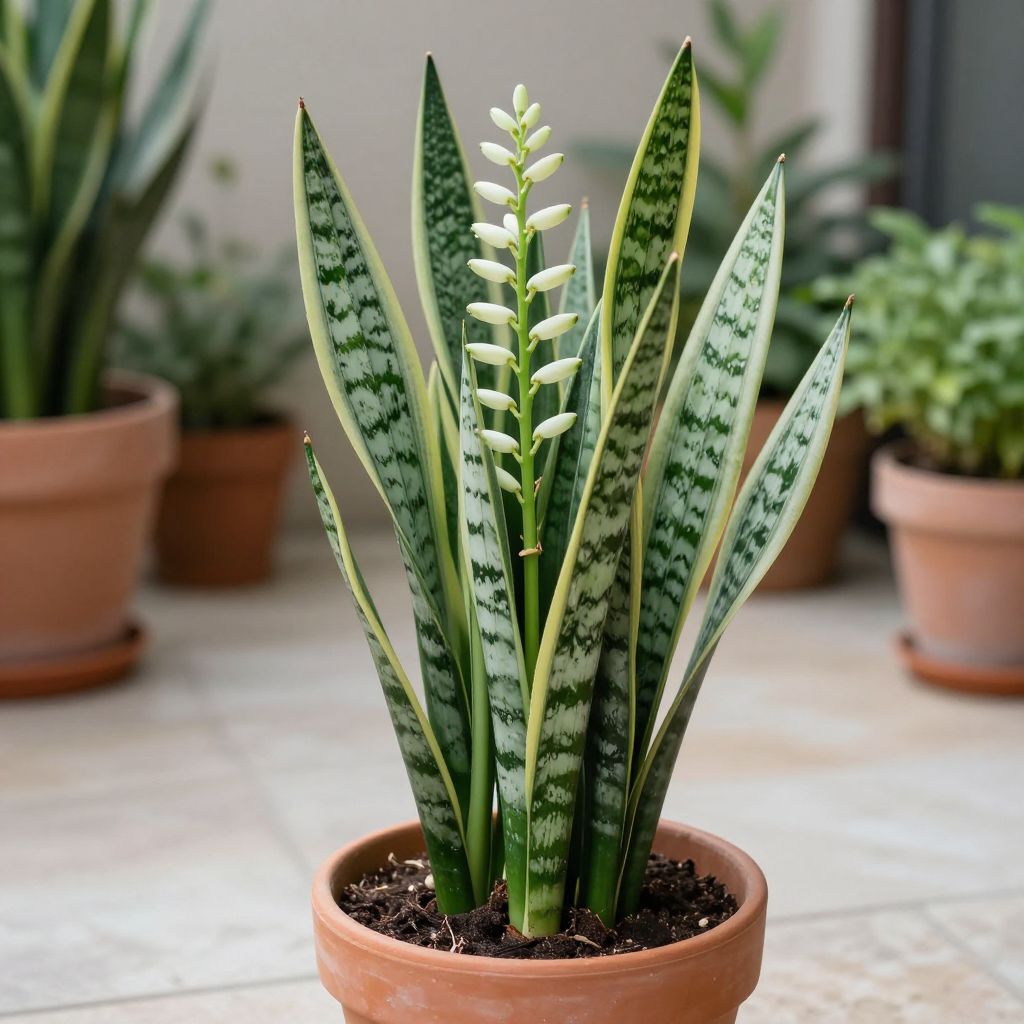
Do snake plants flower, or is that just a rare bonus for lucky indoor gardeners? The short answer is yes—snake plants can bloom, but they usually do so only when they’re mature and growing under the right conditions. The flowers are uncommon indoors, fragrant, and often appear after the plant has been slightly stressed rather than pampered.
If yours has never bloomed, that’s normal. A healthy snake plant can still be an excellent, low-maintenance houseplant with upright leaves and strong tolerance for neglect, as long as you give it the right light, drainage, and watering routine.
Do snake plants flower?
Yes, snake plants (Dracaena trifasciata, formerly Sansevieria trifasciata) can flower, but blooming is not common indoors. Flowers usually appear on mature plants that are somewhat rootbound and receiving bright light, with care that is consistent but not overly generous. The blooms are typically slender, pale, and lightly fragrant.
What snake plant flowers look and smell like
Snake plant flowers grow on tall stalks that rise above the leaves. The blooms are usually small, tubular, and arranged along a spike, often in clusters.
They may be white, cream, or pale green, and many gardeners notice a sweet scent, especially in the evening. The flower stalk can be a pleasant surprise, but the plant is grown mostly for its architectural foliage.
What to expect from a blooming plant
- Flower stalks that emerge from the center or base of the clump
- Small, narrow flowers rather than large showy blooms
- A fragrance that may be stronger at night
- Blooming that may last for days or weeks, depending on conditions
Why snake plants flower in the first place
Flowering is usually a sign that the plant feels established enough to reproduce. In home growing conditions, that often happens when a snake plant is mature, slightly crowded in its pot, and getting enough light to store energy.
It is not usually a response to perfect care alone. In fact, many snake plants bloom after a period of mild stress, such as being rootbound or experiencing a drier-than-usual routine, as long as the plant remains healthy overall.
Common bloom triggers
- Bright, indirect light or gentle sun
- A mature, well-established plant
- Some root crowding in the container
- Stable temperatures and good drainage
How to encourage a snake plant to flower
You cannot force a snake plant to bloom on command, but you can improve the odds. Focus on strong growing conditions that support maturity and energy storage without overdoing water or fertilizer.
- Give it bright light. Place the plant near a bright window with indirect light, or gentle morning sun if your home allows it.
- Use a fast-draining potting mix. A cactus or succulent mix works well, especially if it contains extra perlite or pumice.
- Keep the pot slightly snug. Snake plants often bloom when they are somewhat rootbound, so avoid moving them into oversized containers too often.
- Water only when the mix dries well. Let the soil dry out between waterings to prevent root rot and keep the plant stable.
- Feed lightly during active growth. A mild houseplant fertilizer used sparingly in spring and summer is usually enough.
Light matters most
Insufficient light is one of the biggest reasons snake plants stay leafy but never bloom. In low light, the plant may survive for a long time, but it is less likely to produce flowers.
If you want to improve flowering chances, move the plant closer to a bright window gradually so the leaves do not scorch. East-facing windows are often a good starting point indoors.
Best growing conditions for healthy snake plants
Snake plants are famously tough, but flowering depends on overall plant health. The basics matter more than any special trick.
Soil and drainage
Use a well-draining potting medium that does not stay wet for long. Heavy garden soil or dense all-purpose mix can hold too much moisture and increase the risk of rot.
A pot with drainage holes is essential. If you use a decorative cachepot, make sure excess water can empty completely after watering.
Watering
Water thoroughly, then wait until the soil has dried well before watering again. The exact timing depends on pot size, light, temperature, humidity, and season.
In cooler months or low light, snake plants usually need less water. Overwatering is far more damaging than slight dryness, especially for plants kept indoors.
Temperature and humidity
Snake plants prefer typical indoor temperatures and do not need high humidity. Avoid cold drafts, freezing temperatures, and sudden swings near exterior doors or unheated windows.
They are better suited to steady conditions than to frequent moving between hot and cold spots.
Should you repot a snake plant if you want flowers?
Not always. A snake plant that is slightly rootbound may be more likely to bloom than one that has been moved into a much larger pot. Repot only when the plant is clearly crowded, tipping over, or pushing the container apart.
If you do repot, choose a container only slightly larger than the root mass. Too much extra soil around the roots can stay wet too long and slow the plant down.
Signs it may be time to repot
- Roots are circling tightly or pushing out of drainage holes
- The pot cracks, bulges, or becomes unstable
- Water runs straight through because the root ball is packed
- The plant has stopped growing for a long time and the pot is clearly full
Pruning, grooming, and maintenance
Snake plants do not need regular pruning, but removing damaged leaves can keep the plant tidy and reduce stress. Use clean, sharp tools and cut leaves at the base if they are yellowing, broken, or rotting.
If a flower stalk appears, let it finish unless it becomes unsightly. After blooming, the stalk can be cut back at the base once it dries.
What not to do
- Do not overfeed in hopes of forcing blooms
- Do not keep the soil constantly moist
- Do not place the plant in deep shade if you want flowers
- Do not use a pot that is far too large
Common problems that prevent flowering
Most snake plants fail to bloom because of one or more basic care issues. The good news is that these are usually easy to correct once you identify them.
Too little light
This is the most common issue. A plant that survives in low light may never have enough energy to flower.
Overwatering
Wet soil can damage roots and reduce vigor. A struggling plant will focus on survival, not blooming.
Too much space
A newly repotted snake plant in a large container may spend time filling the pot with roots before it considers flowering.
Plant is too young
Young snake plants often need time to mature before they bloom. Patience is part of the process.
Pests and diseases to watch for
Healthy snake plants are fairly resilient, but stressed plants can develop problems that interfere with growth and flowering.
Common pests
- Mealybugs
- Spider mites
- Scale insects
Check leaf bases and undersides regularly. Small infestations are easier to manage when caught early with manual removal or appropriate houseplant pest control methods.
Common diseases
Root rot is the biggest concern, usually caused by overwatering or poor drainage. Soft, mushy leaves, a foul smell from the soil, or collapsing bases are warning signs.
If rot is suspected, reduce watering immediately and inspect the roots. Healthy roots should be firm, not black and mushy.
Propagation and flowering: does dividing help?
Snake plants are often propagated by division, and that is the most reliable way to make more plants. However, dividing a plant does not usually encourage immediate flowering. In some cases, it may delay bloom while the plant re-establishes itself.
If your goal is flowers, keep divisions only when necessary and let the plant settle in for a while afterward. For the best results, propagate healthy offsets from a mature parent plant and then return to steady care.
Indoor vs. outdoor snake plants
Snake plants are most often grown indoors, where flowering is possible but still uncommon. Outdoors, they may bloom more readily in warm climates with bright light and excellent drainage, but they still need protection from cold and excess rain.
If you grow one outside, use a sheltered position with morning sun or bright filtered light. Avoid soggy beds and heavy clay soil unless drainage has been improved significantly.
What to do if your snake plant finally blooms
Enjoy it. There is usually no special treatment required beyond normal care. Keep watering carefully, avoid moving the plant too much, and let the bloom stalk finish naturally.
After flowering, the plant may continue growing leaves as usual. A bloom does not mean the plant is dying; it is simply a sign that conditions have been favorable enough for reproduction.
Quick care checklist for better blooming odds
- Place the plant in bright, indirect light
- Use a pot with drainage holes
- Choose a gritty, fast-draining mix
- Water only after the soil dries well
- Keep the plant slightly rootbound, not cramped to the point of decline
- Feed lightly during active growth if needed
- Watch for pests and root rot
Conclusion
So, do snake plants flower? Yes, but usually only when the plant is mature, healthy, and growing in bright light with careful watering and excellent drainage. If yours has not bloomed, that is completely normal. Focus first on strong leaf growth, and the flowers may come as a bonus.
If you want to keep improving your houseplant care, consider reading more about snake plant watering and repotting basics and how to choose the right potting mix for succulents and houseplants.