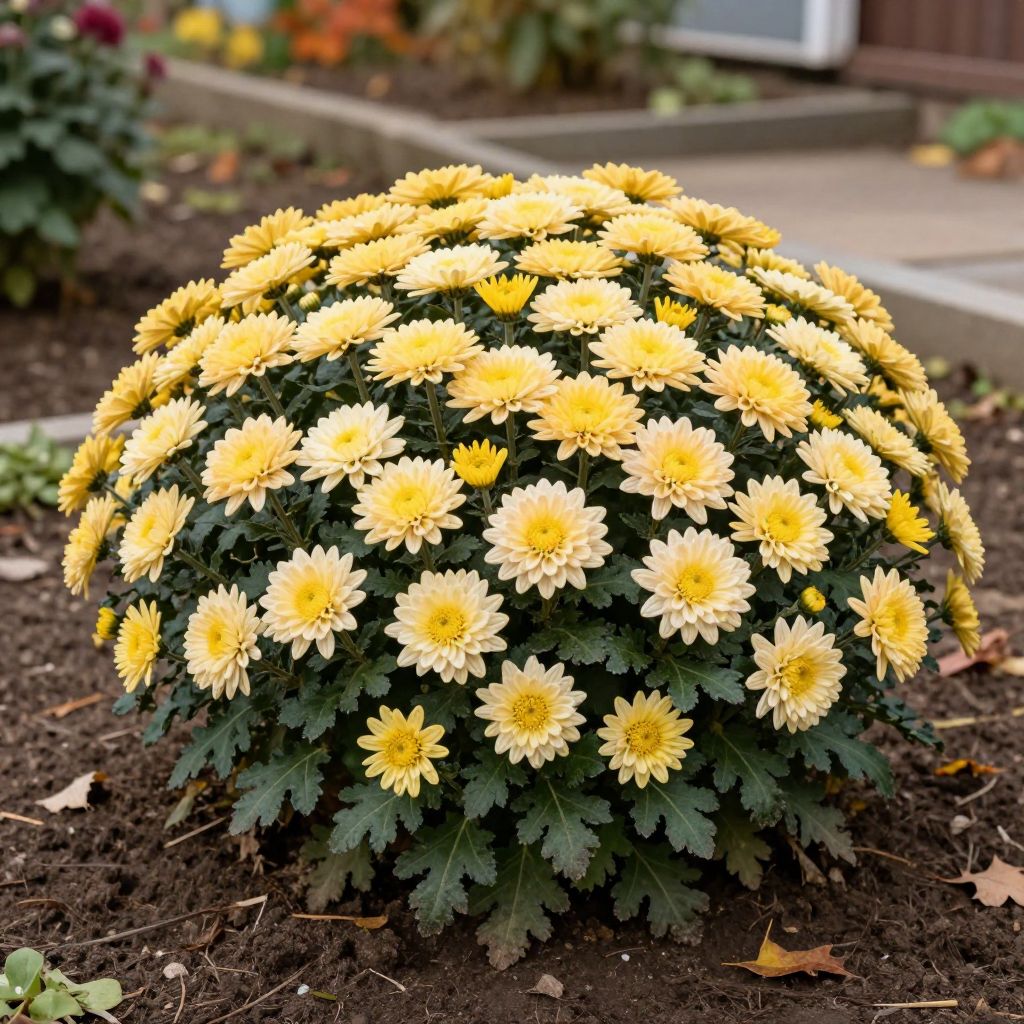
Are mums annuals or perennials? The short answer is that mums, or chrysanthemums, can be either, depending on the type you buy and your climate. Garden mums are often treated as perennials in the right conditions, while florist mums are usually grown as short-lived seasonal plants.
If you want mums to come back year after year, the variety, planting time, and winter care matter a lot. With the right site and a little seasonal maintenance, you can improve your chances of keeping them healthy and blooming again.
Are mums annuals or perennials?
Mums are technically perennials, but many are sold and grown like annuals. Garden mums can return in the landscape if they are hardy enough for your climate and are planted early enough to establish roots. Florist mums are bred for indoor display and often do not survive winter outdoors.
What kind of mum do you have?
Before you decide how to grow or overwinter mums, identify the type. Not all chrysanthemums behave the same way in the garden.
Garden mums
Garden mums, often called hardy mums, are the ones most likely to survive outdoors. They are bred for outdoor planting and fall color, and many can overwinter in the ground if conditions are suitable.
Florist mums
Florist mums are commonly sold in pots for autumn decoration. They may look full and colorful, but they are usually less hardy and less reliable as long-term landscape plants.
Why the label matters
If you want a mum to behave like a perennial, choose a plant labeled for outdoor garden use. A potted mum from a grocery store or florist is often best enjoyed as a seasonal accent unless you are willing to experiment with overwintering.
How to help mums come back each year
To improve perennial performance, plant mums in the ground early enough to root in, give them sun, and protect them from winter stress. The more established the plant is before cold weather arrives, the better its chances of returning.
- Plant in spring or early summer if you want a perennial display.
- Choose a sunny site with at least 6 hours of direct light.
- Use well-drained soil enriched with compost.
- Water consistently while plants are establishing.
- Mulch lightly after the ground cools to help buffer winter temperature swings.
Why fall planting is tricky
Many people buy mums in autumn and plant them late in the season. In colder regions, that often leaves too little time for roots to establish before freeze-up. A fall-planted mum may survive, but it is less likely to perform like a true perennial.
Best growing conditions for mums
Mums grow best in full sun, fertile soil, and good drainage. They dislike soggy roots and perform poorly in heavy, waterlogged beds.
Sunlight
Give mums full sun whenever possible. In very hot climates, a bit of afternoon shade can help prevent stress, but too much shade leads to weak stems and fewer flowers.
Soil
Use loose, well-drained soil with added organic matter. Compost improves structure and moisture retention without making the bed swampy. If your soil is heavy clay, raise the planting area or amend it generously so water can move away from the roots.
Watering
Keep soil evenly moist while mums are growing, especially during hot spells and the first few weeks after planting. Water at the base of the plant rather than soaking the foliage, which can help reduce disease problems.
How to plant mums for better survival
Planting method makes a big difference in whether mums act like annuals or perennials. A stressed plant is far less likely to overwinter successfully.
- Dig a hole slightly wider than the root ball.
- Loosen circling roots gently before planting.
- Set the crown at the same level it was growing in the pot.
- Backfill with native soil mixed with compost if needed.
- Water thoroughly to settle the soil.
- Mulch lightly, but keep mulch away from the crown.
Avoid planting too deep. Burying the crown can encourage rot, especially in wet soil or during winter thaws.
Pruning and pinching mums
Pruning helps mums stay compact and bloom more densely. For perennial garden mums, pinching is especially useful earlier in the season.
Pinching for bushier growth
Pinch back the tips of young stems in late spring or early summer to encourage branching. This usually produces a fuller plant with more flower buds later on.
Deadheading spent blooms
Remove faded flowers during the blooming season to keep the plant tidy. Deadheading will not usually extend the bloom period dramatically, but it improves appearance and helps the plant avoid wasting energy on seed production.
Cutting back for winter
In many climates, leave some top growth through fall if you want extra winter protection. In spring, trim dead stems back once new growth begins at the base.
Winter care for perennial mums
Winter survival is the main reason people ask whether mums are annuals or perennials. Even hardy mums can fail if they are exposed to poor drainage, repeated freeze-thaw cycles, or severe cold without protection.
- Mulch after the ground cools, not too early in warm weather.
- Use a loose layer of straw, shredded leaves, or similar organic mulch.
- Avoid packing mulch tightly over the crown, which can trap moisture.
- Do not let the plant sit in wet soil over winter.
In colder regions, container-grown mums are more vulnerable than in-ground plants because pots freeze faster. If you want to keep a potted mum alive, move it to a sheltered location and insulate the container, or plant it in the ground before hard frost if your climate allows.
Common problems that shorten mum life
Many mums fail for reasons that are easy to miss. The plant may be perennial by nature, but poor conditions can make it behave like a short-lived annual.
Poor drainage
Wet feet are one of the biggest causes of decline. Root rot can develop in heavy soil or in decorative pots without drainage holes. If the soil stays soggy, improve drainage before replanting.
Too little sun
Mums in shade often stretch, bloom weakly, and overwinter poorly. If your plant looks tall and floppy, move it to a sunnier spot next season.
Late-season planting
Plants set out too late in the year may not root well enough to survive winter. For best perennial results, give them a full growing season whenever possible.
Pests and disease
Aphids, spider mites, and leaf spot can affect mums, especially when plants are crowded or watered overhead. Good spacing, clean tools, and removing damaged foliage can reduce problems.
Can you propagate mums?
Yes. If you have a healthy garden mum, you can often divide it in spring or take stem cuttings from vigorous growth. Division is one of the easiest ways to keep older plants productive.
Dividing established clumps
In spring, dig up a mature clump and separate the outer sections with healthy roots and shoots. Replant divisions promptly and water them well. This can refresh crowded plants and improve flowering.
Taking cuttings
Soft stem cuttings can root in a moist, well-drained medium if taken from healthy new growth. This is useful if you want more plants that are true to the parent.
How to use mums in the landscape
Mums are versatile in borders, foundation plantings, and containers. If you want them to return, treat them as part of the permanent garden rather than as a disposable seasonal display.
- Place them where they get morning sun and good air movement.
- Combine them with other late-season perennials for fall color.
- Use containers only if you can protect them from winter cold.
- Group plants with similar water needs to avoid overwatering one area.
Quick answer: annual or perennial?
If you want the simplest rule, think of mums this way: florist mums are usually treated as annuals, while garden mums can be perennials. Whether they return depends on the variety, your climate, planting time, and how well you manage soil moisture and winter protection.
Conclusion
So, are mums annuals or perennials? They can be both. If you want a mum to come back, buy a hardy garden mum, plant it in a sunny, well-drained spot, and give it time to root before winter. For your next step, check the plant label and decide whether you are growing a seasonal display or a long-term perennial.
If you want to keep improving your fall garden, you may also enjoy reading about how to care for chrysanthemums in containers and choosing the best perennials for autumn color.