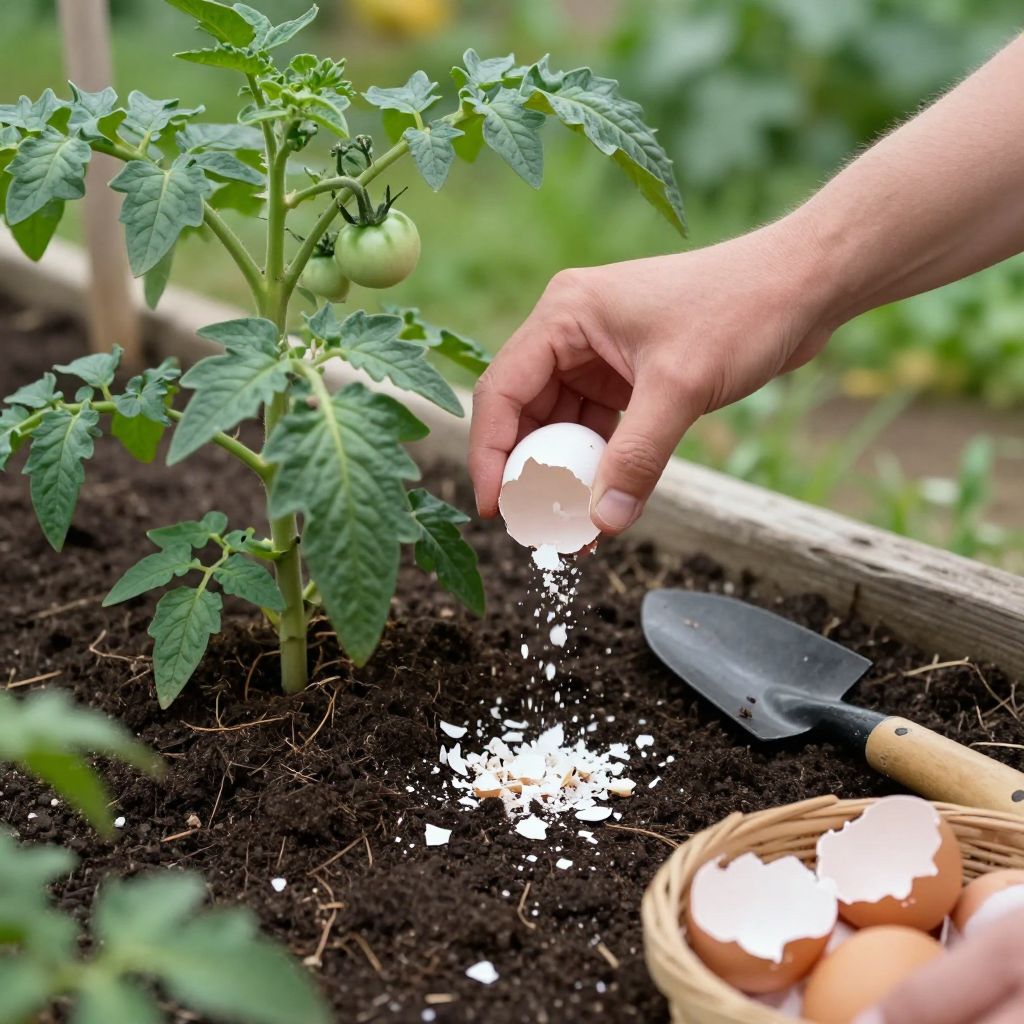
Are egg shells good for plants? They can be, but not in the way many gardeners hope. Crushed eggshells add a small amount of calcium and organic matter, yet they break down slowly and usually do not change soil fast enough to fix a deficiency on their own.
Used well, eggshells can support compost, help improve soil structure over time, and offer a modest source of minerals. Used poorly, they can sit on the soil surface, attract pests, or give a false sense that your plants are fully fertilized.
Are Egg Shells Good For Plants?
Yes, eggshells can be useful in the garden, but they are best treated as a soil amendment or compost ingredient, not a complete fertilizer. They may slowly contribute calcium and help recycle kitchen waste, but plants still need balanced nutrition, good drainage, and the right watering and light conditions.
What Eggshells Actually Do in the Garden
Eggshells are made mostly of calcium carbonate. That means they can add calcium to soil very gradually, especially if they are finely crushed and incorporated into compost or soil.
They do not provide enough nutrients to replace a proper fertilizer program for vegetables, flowers, shrubs, or houseplants.
Potential benefits
- Recycle kitchen waste into the garden
- Add a small amount of calcium over time
- Support compost as a carbon-mineral ingredient
- Improve soil texture slightly when fully broken down
Common limitations
- Break down slowly, especially in coarse pieces
- May not correct calcium deficiency quickly enough
- Can be ineffective in already alkaline soils
- Do not replace watering, sunlight, or balanced feeding
How to Use Eggshells the Right Way
If you want to use eggshells in your garden, the key is to prepare them properly. Whole halves or large fragments decompose very slowly, so they are much less useful than finely crushed shells.
- Rinse shells to remove egg residue.
- Let them dry completely.
- Crush them into small pieces or grind them into a coarse powder.
- Mix them into compost or work them lightly into the top layer of soil.
For faster breakdown, the pieces should be as small as possible. A mortar and pestle, rolling pin, or food processor reserved for garden use can help.
Best uses for eggshells
- Compost bin: A good place for crushed shells to decompose with other organic matter.
- Soil top-dressing: Lightly scatter finely crushed shells around established plants and gently work them in.
- Seed-starting mix: Only as a temporary container, not as a nutrient source.
Do Eggshells Help With Calcium Deficiency?
Sometimes, but not quickly. Plants can show calcium deficiency through problems such as blossom-end rot in tomatoes and peppers, distorted new growth, or weak root development. However, these issues are often caused by irregular watering or poor root uptake, not just low calcium in the soil.
Because eggshells release calcium slowly, they are not a reliable emergency fix for active deficiency symptoms.
What to do instead
- Keep soil moisture even, especially for fruiting vegetables.
- Check drainage so roots are not sitting in water.
- Use a soil test if deficiency is repeated or severe.
- Choose a calcium source that works faster if a test confirms the need.
If blossom-end rot appears, focus first on watering consistency. Eggshells alone will not solve the problem if the plant cannot move calcium through its tissues.
Eggshells in Compost: A Better Use
Composting is often the most practical way to use eggshells. In a compost pile, they are broken down alongside leaves, grass clippings, vegetable scraps, and other organic materials.
Even then, they may not disappear completely unless they are crushed very finely and the compost is turned regularly.
Tips for composting eggshells
- Rinse them first to reduce odor and pests.
- Crush them before adding them to the pile.
- Mix them into the center of the compost, not just the top.
- Turn the pile occasionally to speed decomposition.
Finished compost with small shell fragments is fine to use around most garden plants. The fragments will continue to break down in the soil.
When Eggshells Are Not a Good Choice
Eggshells are not always helpful. In some gardens, they offer little benefit and may even create problems if used incorrectly.
Avoid relying on eggshells when:
- You need a quick nutrient correction
- Your soil is already high in pH or alkaline
- You are growing acid-loving plants such as blueberries, azaleas, or rhododendrons
- You leave large shell pieces on the soil surface
- You are trying to stop pests with shell fragments alone
For acid-loving plants, adding eggshells can work against your soil goals because they may nudge conditions in a less acidic direction over time.
Do Eggshells Repel Pests?
This is a common garden claim, but eggshells are not a dependable pest control method. Sharp shell pieces may discourage some crawling pests in theory, but in practice they usually do not provide consistent protection.
If slugs, snails, or cutworms are a problem, use more reliable methods such as hand-picking, barriers, traps, clean garden sanitation, and appropriate plant spacing.
Better pest-prevention habits
- Remove hiding places like weeds and debris
- Water early in the day so foliage dries faster
- Keep mulch away from stems where rot can start
- Inspect plants regularly for chewing damage or eggs
How Different Plants Respond to Eggshells
Most garden plants can tolerate small amounts of crushed eggshells in compost or soil, but the response depends on the plant, the soil, and how the shells are used.
Vegetables
Tomatoes, peppers, squash, and eggplants may benefit indirectly from better soil management and calcium support, but they still need even moisture, fertile soil, and full sun for strong growth.
Flowers and ornamentals
Annuals and perennials generally respond best to healthy soil and balanced feeding. Eggshells are fine as a minor amendment, but they will not replace regular care.
Houseplants
Indoor plants usually do not need eggshells in the potting mix. In containers, shells break down slowly and can clutter the surface without offering much nutrition.
If you garden indoors, use a quality potting mix and fertilize according to the plant’s needs rather than depending on kitchen scraps.
Practical Mistakes to Avoid
Most problems with eggshells come from expecting too much from them or using them in the wrong form.
- Using large pieces: They decompose too slowly to matter much.
- Skipping rinsing: Residual egg can smell and attract pests.
- Adding them as a stand-alone fertilizer: They are not complete nutrition.
- Using them on the wrong plants: Acid-loving plants may not appreciate added calcium carbonate.
- Ignoring soil problems: Poor drainage, compacted soil, or inconsistent watering often cause more trouble than calcium shortage.
Simple Best Practices for Gardeners
If you want to use eggshells responsibly, keep the process simple and realistic. Think of them as a small part of an overall soil-care routine.
- Rinse and dry shells after use.
- Crush them finely before composting or mixing into soil.
- Use them with compost, leaf mold, or other organic matter.
- Watch your plants for real signs of nutrient stress.
- Test soil if you suspect a calcium or pH issue.
For most home gardens, the biggest benefits come from building healthy soil, watering consistently, and matching plants to the right light and drainage conditions.
Conclusion: Should You Use Egg Shells on Plants?
Yes, but use them as a mild soil amendment, not a miracle cure. Crushed eggshells are most helpful when added to compost or finely worked into garden soil over time, especially if you already maintain good watering and soil health.
If you want the best results, crush a few clean shells, add them to your compost, and pair that habit with a soil test or a closer look at your plant’s drainage and watering needs.