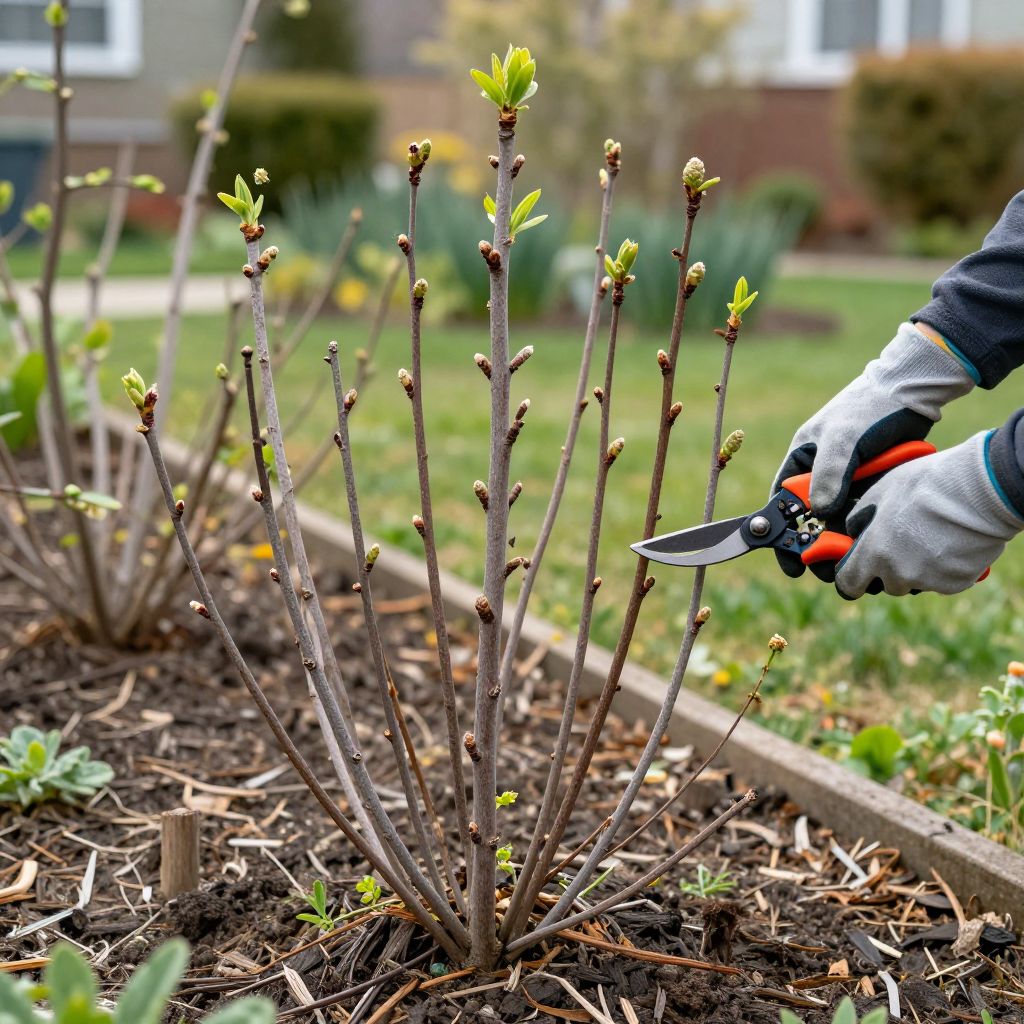
When should you prune butterfly bush, and how hard can you cut it back? The best time is usually late winter to early spring, just as new growth begins and the worst cold has passed. That timing helps butterfly bush recover quickly and produce fresh stems that flower well later in the season.
Pruning at the right time also keeps the shrub from becoming woody, leggy, or overcrowded. If you’ve been unsure whether to cut it back in fall or wait until spring, the answer depends on your climate, the plant’s age, and how much winter damage it may have taken.
When to prune butterfly bush?
Prune butterfly bush in late winter to early spring, after the danger of hard frost has mostly passed but before vigorous new growth starts. In colder climates, wait until you see buds swelling or green shoots emerging. In mild climates, you can prune a little earlier, but avoid cutting hard in fall.
Why spring is the best pruning time
Butterfly bush, Buddleja spp., flowers on new growth, so pruning in late winter or early spring encourages strong, flowering stems. Cutting it back too early in autumn can expose tender growth to winter injury and reduce the plant’s ability to store energy for spring.
What happens if you prune too early?
- New shoots may be damaged by frost.
- The plant can look ragged through winter.
- Severe fall pruning may reduce cold resilience in colder regions.
What happens if you prune too late?
- You may remove developing new shoots.
- Flowering can be delayed.
- The shrub can become crowded if old stems are left too long.
How to tell the right moment in your garden
Because local weather matters, use the plant itself as your guide. The right pruning window is often when winter is loosening its grip, but before the shrub has fully leafed out.
Look for these signs
- Buds are swelling along stems.
- Leafless stems are still firm, not brittle from winter dieback.
- Night temperatures are no longer dropping hard and repeatedly below freezing.
- You can clearly see which stems are alive and which are dead.
If you garden in a very cold area, wait until later in spring. If you garden in a mild coastal or southern climate, pruning can begin earlier, but still avoid encouraging tender new growth right before a cold snap.
How to prune butterfly bush correctly
Butterfly bush responds well to pruning, and many gardeners cut it back fairly hard each year to keep it compact and blooming well. The goal is to remove weak, dead, or crowded growth and encourage fresh stems from the base.
Step-by-step pruning method
- Use clean, sharp bypass pruners or loppers.
- Remove any dead, broken, or frost-damaged stems first.
- Cut stems back to healthy buds or to a framework of strong wood.
- Reduce the shrub by about one-third to one-half if it has become overgrown.
- Thin out crossing stems so light and air can reach the center.
For older shrubs, you can cut some stems lower to encourage renewal, but avoid removing every stem to the ground unless the plant is severely overgrown or damaged and you know it can handle that level of renovation in your climate.
How much should you cut back?
Many butterfly bushes bloom best when pruned back fairly hard in spring, but the exact amount depends on plant size and winter damage. A practical rule is to leave a sturdy framework of healthy stems and shorten them to a manageable height, often around 12 to 24 inches for established shrubs, if that suits the plant and your landscape.
Important: If your butterfly bush is newly planted, prune more lightly than an established shrub. Young plants need some leafy growth left to build strong roots.
Should you prune butterfly bush in fall?
In most gardens, fall is not the best time for major pruning. Leaving the stems in place can help protect the crown a bit and gives you a better chance to assess winter survival in spring. In windy areas, tall stems may be shortened slightly to prevent breakage, but save the real pruning for late winter or early spring.
When fall pruning may be acceptable
- The plant is broken or hazardous near a walkway.
- Stems are damaged and likely to snap in winter winds.
- You live in a very mild climate with little frost risk.
Even then, keep fall cuts conservative. Heavy pruning is usually better delayed until spring.
What to do with dead or winter-damaged stems
Winter can kill the tips of butterfly bush stems, especially in colder regions. Before you prune, scratch the bark lightly near the base or bend a stem gently to check whether it is still alive. Green tissue beneath the bark usually means the stem is viable.
Simple damage check
- Brown and dry throughout: remove it.
- Green under the bark: keep or shorten it.
- Soft, mushy, or blackened tissue: cut back to healthy wood.
If only the top portion is damaged, prune back to a healthy bud or side shoot. If the whole stem is dead, cut it down to the base.
Tools and pruning hygiene
Good tools make pruning cleaner and reduce the chance of spreading disease. Butterfly bush is not usually fussy, but clean cuts heal better and look tidier.
What you’ll need
- Bypass hand pruners for small stems
- Loppers for thicker canes
- Gloves to protect your hands
- A bucket or tarp for debris
Wipe blades with rubbing alcohol or another suitable disinfectant if you are cutting out diseased tissue or moving between plants. Sharp tools matter more than forceful cutting, because ragged cuts slow recovery.
Common pruning mistakes to avoid
A few simple mistakes can reduce flowering or make the shrub look awkward. The good news is that butterfly bush is forgiving if you correct problems at the right season.
Avoid these errors
- Pruning too early in fall and exposing tender growth to winter damage.
- Leaving old, crowded stems that shade the center of the plant.
- Cutting with dull tools that crush stems instead of slicing cleanly.
- Removing too much on a young plant before it is established.
- Waiting until the plant is fully leafed out and then cutting away new growth.
If your shrub has become large and woody, you may need a gradual renovation over one or two seasons rather than one drastic cutback.
After-pruning care
After pruning, give the plant a little support so it can push out new growth quickly. Butterfly bush prefers full sun and well-drained soil, and it usually does best when not kept overly wet.
Helpful follow-up care
- Clear away pruned stems and debris.
- Top-dress the root zone with a light layer of compost if your soil is poor.
- Water deeply if spring is dry, but let the soil drain well between waterings.
- Watch for new shoots and pinch out only damaged tips, not healthy growth.
Do not overfertilize after pruning. Too much nitrogen can produce lush leaves with fewer flowers and weaker stems.
Can you prune butterfly bush in summer?
Light summer grooming is fine, but avoid major pruning once the plant is actively blooming unless you are removing spent flower spikes or damaged stems. Deadheading can encourage more blooms in some gardens and keeps the shrub looking tidy.
Summer maintenance options
- Remove faded flower clusters to improve appearance.
- Trim broken or crossing stems.
- Cut back only a few inches if a stem is excessively long and awkward.
Major summer pruning can reduce flowering for the season, so save the heavy work for the dormant season or very early spring.
Pruning and plant health
Regular pruning helps butterfly bush stay vigorous, but it also gives you a chance to inspect the plant for pests or disease. Look for weak stems, poor airflow, or signs of stress such as yellowing leaves and dieback.
Watch for these issues
- Powdery mildew in humid, crowded conditions
- Aphids on tender new growth
- Stem dieback after harsh winters
- Root problems in waterlogged soil
If the shrub repeatedly struggles, check drainage and sunlight before assuming pruning is the problem. Butterfly bush generally performs best in a sunny spot with soil that does not stay soggy.
Propagation and cleanup after pruning
The stems you remove can sometimes be used for simple propagation if they are healthy and not diseased. Softwood or semi-ripe cuttings are typically taken at the appropriate season, not from old woody winter prunings.
For most gardeners, the simplest next step is to compost healthy prunings or dispose of diseased material separately. If your butterfly bush is invasive in your region, avoid letting seed heads mature and consider deadheading promptly to reduce unwanted spread.
Quick pruning checklist
- Wait until late winter or early spring.
- Check for live buds and winter damage.
- Use sharp, clean tools.
- Remove dead, weak, and crowded stems.
- Cut back to healthy buds or a strong framework.
- Water moderately after pruning if spring is dry.
Conclusion
The best answer to when to prune butterfly bush is simple: prune in late winter to early spring, after the worst frost has passed and before active growth takes off. That timing gives you a healthier shrub, better shape, and stronger flowering later in the season.
If you’re planning your next garden cleanup, use this as a good moment to inspect the shrub, sharpen your tools, and make a clean, confident spring pruning cut. For more seasonal shrub care, you may also want to read about pruning flowering shrubs and spring garden maintenance.