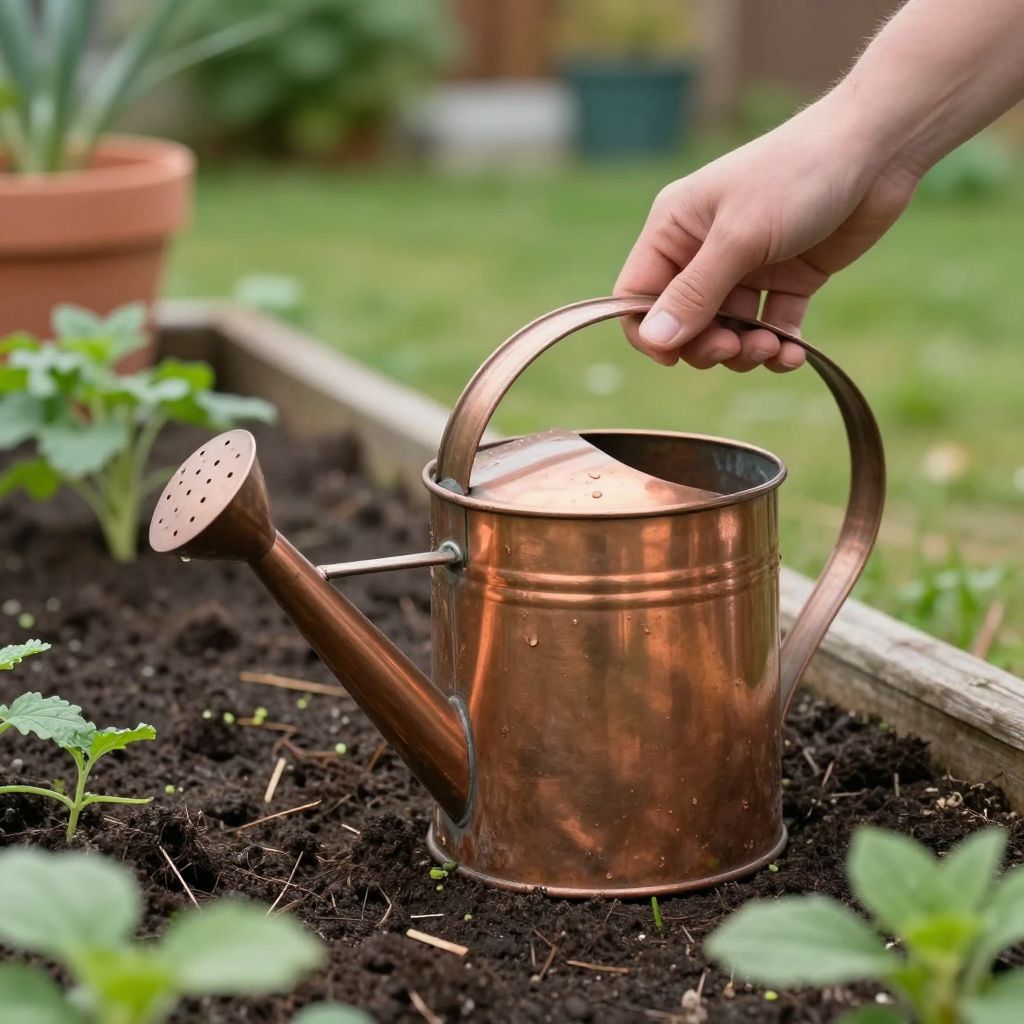
Wondering whether a copper watering can is worth using in your garden, or if it is just a decorative tool? The short answer is that it can be both practical and attractive, but the real value depends on how you use it, how it is made, and what you are watering.
For most gardeners, the best watering can is one that pours smoothly, feels balanced, and suits the job at hand. Copper can be a lovely choice for light watering, tending seedlings, and display, but it needs the same thoughtful care as any garden tool.
What is a copper watering can, and is it good for gardening?
A copper watering can is a hand-held watering vessel made partly or entirely from copper or a copper-coated metal. It can work well for small garden tasks, especially delicate watering, but it is usually less practical than plastic or galvanized cans for heavy daily use. Choose it for control, durability, and appearance, not for special plant benefits.
How to choose the right copper watering can
The best can for you depends on how much you water, where you garden, and whether you need a fine rose or a simple spout. Look for a comfortable handle, a stable shape, and a size you can lift when full.
Size and weight
Water is heavy, so a can that looks manageable when empty may feel awkward when full. A smaller can is often easier for indoor plants, balcony containers, or greenhouse benches.
- Small cans are useful for houseplants, seedlings, and herbs.
- Medium cans suit patio containers and small beds.
- Large cans are better for bigger gardens, but only if you can lift them safely.
Spout and rose
If you are watering seedlings, newly sown seed, or tender transplants, a fine rose attachment helps disperse water gently. For established pots or soil-level watering, a simple spout may be enough.
Check that the rose fits securely and does not leak around the joint. A poor-fitting rose can waste water and make watering uneven.
Construction and finish
Some copper watering cans are solid copper, while others are copper-plated or decorative with a protective coating. Solid copper tends to be more durable and develops a patina over time, while plated versions may be lighter but can wear more quickly.
Tip: If you plan to leave the can outside, check whether the finish is protected against tarnish and weathering. Copper looks best when cared for, but it can discolor naturally.
How to use a copper watering can effectively
Use the can to deliver water slowly and evenly at the soil surface. The goal is to moisten the root zone without splashing leaves, compacting soil, or washing away seed.
- Fill the can with clean water and attach the rose if needed.
- Test the flow before approaching delicate plants.
- Water at the base of each plant rather than over the foliage when possible.
- Pause if water begins to run off the surface; let it soak in, then return.
- Empty any leftover water after use so the can dries quickly.
Indoor plants
For houseplants, a copper watering can is especially useful if the spout is narrow and easy to control. Water until moisture begins to reach the root ball, then stop. Overwatering is more often caused by too-frequent watering than by the can itself.
Always check the potting mix first. If the top inch or two of soil still feels moist, many plants do not need more water yet.
Outdoor beds and containers
In outdoor containers, water until you see a little drainage from the bottom, then allow the excess to escape. In garden beds, water more deeply and less often so roots are encouraged to grow downward.
During hot, windy weather, containers may need attention more often than beds. In cool or rainy periods, they may need much less.
Does copper help plants grow better?
Copper itself is an essential trace element for plants, but a copper watering can does not meaningfully fertilize your garden through ordinary use. The can is a tool, not a plant food. Any benefit is mostly practical: better control, smoother watering, and a tool you may enjoy using more often.
Be cautious about assuming that copper equipment will solve plant problems. If a plant is yellowing, wilting, or failing to thrive, the cause is more likely related to light, drainage, watering habits, root health, or nutrition.
Best plants and situations for a copper watering can
A copper watering can is most useful where precision matters. It is a good match for plants that dislike rough watering or for spaces where you want a tidy, attractive tool within reach.
- Seed trays and newly germinated seedlings
- Houseplants on shelves or windowsills
- Herbs in small pots
- Patio containers and balcony planters
- Greenhouse benches and propagation areas
It is less ideal for large vegetable beds, thirsty shrubs, or any situation where you need to move a lot of water quickly. For those jobs, a hose, rain barrel setup, or larger watering can may be more efficient.
How to care for a copper watering can
Good care keeps the can working well and prevents corrosion, leaks, and buildup. Copper is durable, but it still benefits from regular cleaning and drying.
Cleaning after use
- Empty the can completely after watering.
- Rinse out soil particles and mineral residue.
- Wipe it dry with a soft cloth.
- Store it in a dry place with the opening facing down or uncovered so moisture can escape.
Managing tarnish
Copper naturally darkens and develops patina. Some gardeners like this aged look, while others prefer a brighter finish. If you want to slow tarnish, keep the can dry and avoid leaving water standing inside it.
If you choose to polish it, use a product suitable for copper and follow the label carefully. Avoid abrasive scrubbing that can scratch the surface or remove protective coatings.
Preventing leaks and blockages
Check the rose, seams, and handle joints regularly. Small leaks can often be traced to a loose fitting or debris trapped in the rose holes.
- Remove and rinse the rose if the flow becomes uneven.
- Inspect soldered seams for wear if the can is older.
- Do not leave fertilizer solution sitting in the can unless the manufacturer says it is safe.
Common mistakes to avoid
Even a well-made copper watering can can be used poorly if the watering technique is off. These are the most common issues gardeners run into.
Watering too quickly
Pouring too fast can wash soil away, expose roots, and scatter seed. A gentler flow is usually better, especially for seedlings and newly potted plants.
Using the wrong size can
A can that is too large becomes tiring and awkward. A can that is too small may tempt you to under-water or make too many trips. Match the size to the task.
Ignoring drainage
Good watering cannot fix poor drainage. If pots do not drain freely, or if garden soil stays soggy, roots may suffer even when you use the right can.
Leaving water inside
Standing water can encourage mineral deposits, staining, and corrosion over time. Empty and dry the can after use whenever possible.
When a copper watering can is not the best choice
There are times when another tool makes more sense. If you need to water a large area, carry water long distances, or irrigate on a strict routine, a copper can may be less efficient than a hose, drip system, or lightweight plastic can.
It may also be inconvenient if you garden in very cold weather and need a tool that is less prone to becoming uncomfortable to handle. In those cases, practicality should come before appearance.
How to match watering to plant needs
Whatever watering can you use, the key is to observe the plant and the soil. Different plants and growing conditions need different amounts of water, and those needs change through the season.
- Check soil moisture before watering.
- Water deeply enough to reach roots, not just the surface.
- Adjust for heat, wind, rainfall, pot size, and plant maturity.
- Water more carefully after transplanting, pruning, or repotting.
Seedlings and newly planted specimens usually need more frequent attention than established plants. Mature shrubs, trees, and perennials often prefer deeper, less frequent watering once they are settled.
Practical buying and maintenance checklist
If you are choosing a copper watering can for your garden, use this quick checklist before you buy or begin regular use.
- Does it feel balanced when full?
- Is the spout comfortable to aim?
- Does the rose provide the flow you need?
- Is the finish solid, sealed, or easy to maintain?
- Will the size suit your plants and watering routine?
- Can you store it dry and protected from damage?
Conclusion: make the can work for your garden
A copper watering can is a beautiful, practical tool when you choose the right size, use it for the right jobs, and keep it clean and dry. It will not transform plant health on its own, but it can make careful watering easier and more enjoyable.
If you are refining your watering routine, consider reading more about how to water container plants correctly and practical garden drainage tips to match your can to the needs of your soil and plants.