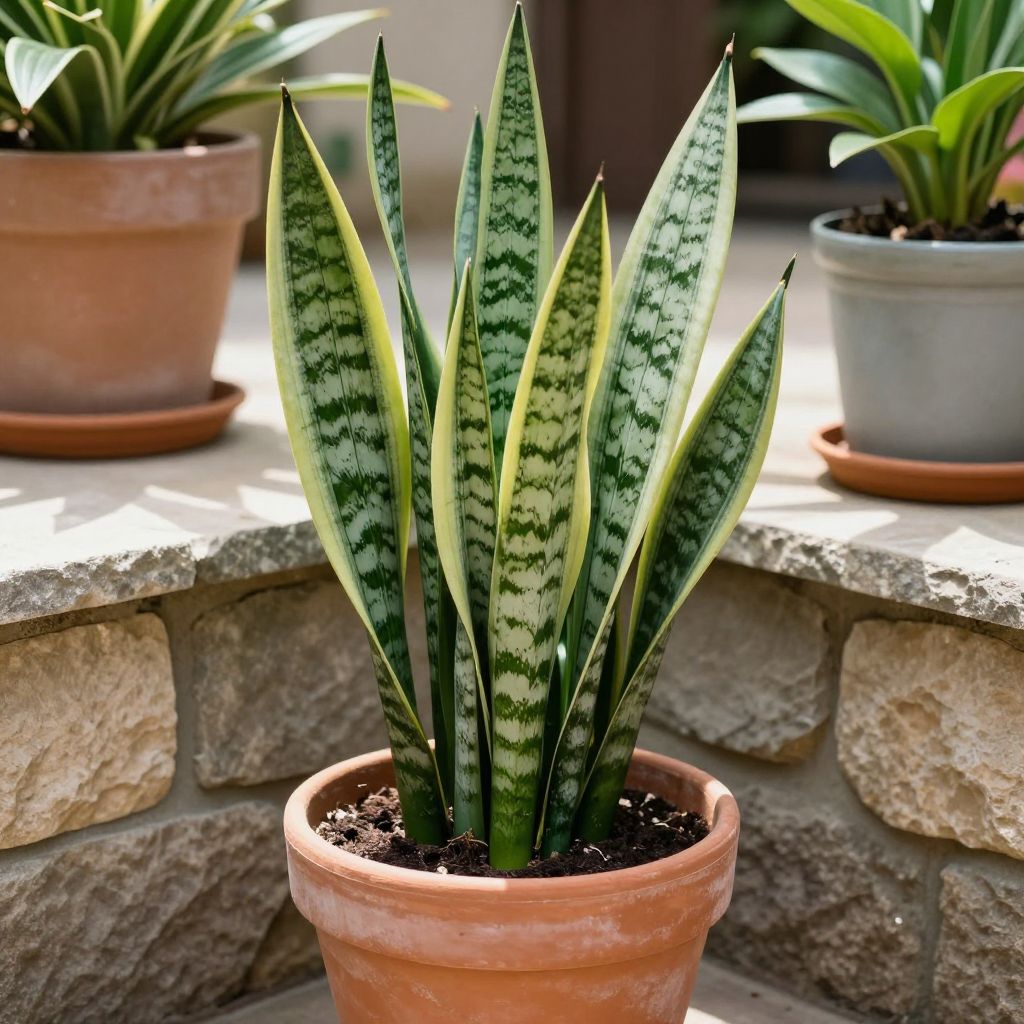
Can snake plants live outside? Yes, but only if your climate and site match their needs. Snake plants (Dracaena trifasciata, formerly Sansevieria) are tough, drought-tolerant houseplants, yet they are not truly cold-hardy in most regions. Outdoors, they do best in warm, frost-free conditions with bright shade, fast-draining soil, and very careful watering.
If you want to move one outside or plant it in the ground, the key is protecting it from cold, soggy soil, and harsh direct sun. With the right placement and seasonal care, snake plants can thrive outdoors in containers, patios, and sheltered landscape beds.
Can snake plants live outside?
Snake plants can live outside year-round only in warm climates where temperatures stay above freezing and the soil drains quickly. In cooler areas, they are best grown outdoors in containers during the warm season and brought inside before cold weather arrives. Their biggest outdoor risks are frost, excess rain, and too much sun.
What outdoor conditions do snake plants need?
Snake plants are adapted to dry, shaded, well-drained conditions. They are often easier to kill outdoors by overwatering or cold damage than by neglect. If you can give them a protected spot with airy soil and moderate light, they can handle outdoor life very well.
Light
- Best light: bright shade, filtered sun, or morning sun with afternoon shade.
- They can tolerate more sun in cooler coastal climates, but harsh afternoon sun can scorch leaves.
- Deep shade slows growth and may reduce leaf color and vigor.
Temperature
- Snake plants prefer warm temperatures and suffer when exposed to frost.
- Cold, wet weather is especially dangerous because roots rot more easily in cool soil.
- If your area gets frost, plan to treat them as seasonal outdoor plants or move them inside.
Soil and drainage
- Use a loose, fast-draining mix rather than heavy garden soil.
- Raised beds, slopes, containers, and sandy or gritty soils are safer than low spots.
- Standing water around the roots is one of the fastest ways to lose a snake plant.
How to plant snake plants outdoors
If your climate is suitable, planting snake plants outdoors is straightforward. The main goal is to keep the crown dry and the roots in a porous, well-aerated mix. In wet or clay-heavy gardens, growing them in containers is usually the safer option.
- Choose a sheltered site. Pick a spot with morning sun or bright filtered light and protection from heavy rain and wind.
- Check drainage. Dig a small hole and fill it with water. If it stays soggy for hours, improve the site or use a container.
- Prepare the soil. Mix in coarse sand, pumice, perlite, or fine gravel to improve drainage. Avoid rich, moisture-holding soil amendments in excess.
- Plant at the right depth. Set the plant so the base sits at the same level it was growing before. Do not bury the crown.
- Water lightly once. Water after planting, then let the soil dry before watering again.
Best container setup outdoors
Containers are often the easiest way to grow snake plants outside because you can control moisture and move them if weather turns cold. Use a pot with drainage holes and a gritty cactus or succulent mix. A heavy pot also helps prevent tipping in wind.
- Choose a pot only slightly larger than the root ball.
- Use drainage holes every time.
- Elevate the pot slightly so water can escape freely.
- Empty saucers after rain or watering.
How often should you water snake plants outside?
Outdoor snake plants usually need less water than most garden plants. Water only when the soil has dried out well below the surface. In warm, bright weather they may dry faster, while cool or cloudy periods can keep soil wet for a long time. Always adjust to rainfall, pot size, and soil type.
Signs you are watering too much
- Soft, mushy leaves
- Yellowing at the base
- Foul-smelling or blackened roots
- Leaves collapsing or splitting near the soil line
Signs the plant needs water
- Wrinkled or slightly puckered leaves
- Very dry soil several inches down
- Slower growth during hot, dry weather
Important: It is usually safer to underwater a snake plant outdoors than to keep it damp. Wet feet are the main problem, especially after rain or in humid climates.
Can snake plants handle full sun outside?
Sometimes, but not always. Snake plants can take more sun outdoors than they usually get indoors, yet intense afternoon sun can bleach or burn the leaves. The safest approach is to start them in bright shade and slowly increase sun exposure if needed.
How to acclimate them
- Move the plant into brighter light gradually over 1 to 2 weeks.
- Start with morning sun or dappled shade.
- Watch for pale patches, browning tips, or crisp edges.
If the leaves begin to look washed out or scorched, shift the plant to a more sheltered spot. A little sun stress can be cosmetic, but repeated scorch weakens the plant over time.
When should you bring snake plants back inside?
If frost is forecast or nights are turning cool, bring container-grown snake plants indoors. Even a brief cold snap can damage leaves and roots. In regions with chilly autumns, it is best to move them inside before temperatures regularly dip into the low 50s Fahrenheit or colder.
Before moving them indoors
- Inspect the plant for pests hiding in leaf bases or soil.
- Let the pot dry slightly before bringing it inside.
- Clean off debris and remove damaged leaves if needed.
- Place it in the brightest indoor spot you have.
Indoor light is usually lower than outdoor light, so a snake plant may need time to adjust after the move. Do not overcompensate with extra water just because it is indoors.
Common outdoor problems and how to fix them
Root rot
Root rot is the most common serious problem outdoors. It happens when roots stay wet too long, especially in cool weather. If the plant is soft, yellowing, or unstable in the soil, lift it and inspect the roots. Trim away rotten sections and repot into a dry, free-draining mix.
Sunburn
Sunburn shows up as bleached, tan, or crispy patches on the leaves. Move the plant to filtered light and avoid exposing it suddenly to stronger sun. Damaged tissue will not turn green again, but new growth can recover in better conditions.
Pests
Outdoors, snake plants may occasionally attract mealybugs, scale, or spider mites, especially on stressed plants. Check leaf joints and undersides regularly. Wipe small infestations away with a damp cloth or treat according to the pest and severity.
Snails and slugs
In damp gardens, young plants can be nibbled by snails or slugs. Keep mulch away from the crown, reduce hiding spots, and inspect plants after rainy weather if you notice fresh chewing.
Pruning and maintenance outdoors
Snake plants need very little pruning, but outdoor plants benefit from occasional cleanup. Remove damaged, broken, or badly sunburned leaves at the base with clean, sharp pruners. This keeps the plant tidy and reduces the chance of decay spreading.
- Cut only leaves that are clearly dead or badly damaged.
- Do not remove too many healthy leaves at once.
- Keep debris away from the crown to improve airflow.
Fertilizer is optional and should be used sparingly. In rich garden soil, snake plants often need none at all. If growth is weak in a container during the warm season, a light feeding with a balanced houseplant or succulent fertilizer may help, but avoid overfeeding.
Can snake plants live outside in the ground?
Yes, but only in the right climate and site. In frost-free coastal, tropical, or subtropical areas, snake plants can work well in the ground as low-maintenance accent plants. In wetter or colder regions, they are usually better in pots or raised beds where drainage is easier to control.
Good landscape uses
- Under eaves or overhangs where rain is limited
- Along dry, sheltered borders
- In rock gardens with gritty soil
- In courtyard planters and patio containers
They pair well with other drought-tolerant plants that like similar conditions, but avoid crowding them with thirsty plants that need frequent irrigation.
Simple checklist for outdoor success
- Choose a warm, frost-free location if planting in the ground.
- Use fast-draining soil or a pot with drainage holes.
- Give bright shade or gentle morning sun.
- Water only after the soil dries well.
- Protect the plant from cold rain, frost, and harsh afternoon sun.
- Check regularly for rot and pests.
Conclusion
Snake plants can live outside, but they need the right climate, excellent drainage, and a cautious watering routine. If your area has frost or heavy rain, grow them in containers so you can protect them when conditions turn bad. Start with a sheltered spot, then watch how the plant responds and adjust from there.
For more practical plant care help, you may also want to read about how to choose the right potting mix for succulents and how to overwinter tender container plants.