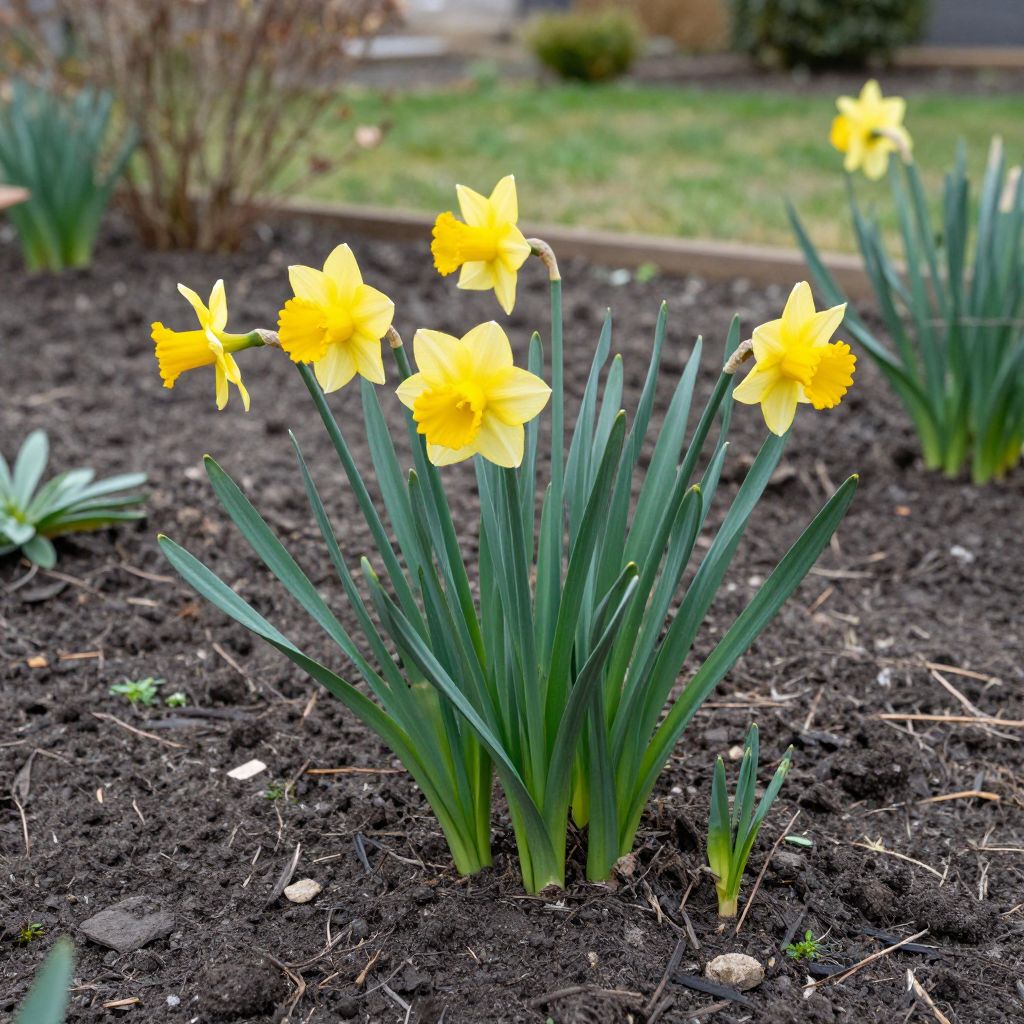
Are daffodils perennials? Yes—daffodils are true perennial bulbs, which means they can return year after year when they’re planted in the right conditions and allowed to rebuild energy after flowering. The key is not just whether they come back, but whether your soil, drainage, and after-bloom care let them naturalize and rebloom well.
If your daffodils bloom well one spring and then fade out, the problem is usually cultural, not botanical. With good planting depth, sunlight, drainage, and sensible after-flowering care, daffodils can become one of the most reliable spring flowers in the garden.
Are daffodils perennials?
Yes. Daffodils (Narcissus spp.) are perennial bulbs that can live for many years and bloom again each spring. In the right site, they multiply slowly, form clumps, and often get better over time. Their performance depends on storing enough energy in the bulb after flowering, which is why foliage care matters so much.
Why daffodils come back year after year
Daffodils are built for a seasonal cycle: growth, bloom, leaf expansion, energy storage, and dormancy. After flowering, the leaves keep working to recharge the bulb for next year’s bloom. If those leaves are removed too soon, the bulb weakens and flowering declines.
The bulb’s yearly cycle
- Fall: roots grow after planting.
- Late winter to spring: shoots and flowers emerge.
- After bloom: leaves feed the bulb.
- Early summer: foliage yellows and the bulb goes dormant.
This cycle is why daffodils are often more dependable in the ground than in pots. Container-grown bulbs can be perennials too, but they need more careful watering, feeding, and repotting to stay vigorous.
Best growing conditions for perennial daffodils
Daffodils are adaptable, but they perform best in well-drained soil and full sun to light shade. They dislike soggy ground, especially in summer dormancy, when excess moisture can rot bulbs.
Soil and drainage
Good drainage is the most important factor for long-term success. Daffodil bulbs prefer loose soil that doesn’t stay wet after rain. If your soil is heavy clay, improve it before planting or choose a raised bed.
- Work in compost to improve structure, especially in poor soil.
- Avoid planting in low spots where water collects.
- In clay soil, consider raised beds or planting on a slight slope.
Compost helps, but don’t overdo rich organic matter right in the planting hole. A broad area of improved soil is better than a pocket of loose material that can hold too much water around the bulb.
Sunlight
Daffodils bloom best with at least half a day of sun. In cooler climates, full sun is ideal. In warmer regions, they often appreciate morning sun and light afternoon shade, especially where spring heat arrives quickly.
Climate and dormancy
Daffodils need a period of winter chill to bloom well in many regions, but exact needs vary by type. If you garden in a mild-winter area, choose bulbs suited to your climate and buy from a reputable source. Local extension advice or a trusted nursery can help you match varieties to your region.
How to plant daffodils for long-term return bloom
Planting depth and spacing affect how well daffodils perennialize. Too shallow, and bulbs can dry out or heave out of the soil. Too deep, and they may bloom weakly or emerge late.
Planting steps
- Choose a site with sun and good drainage.
- Loosen the soil to a depth of at least 8 to 10 inches.
- Set bulbs pointy end up.
- Plant them about 2 to 3 times as deep as the bulb is tall.
- Space bulbs so they have room to multiply, usually a few inches apart.
- Water once after planting if the soil is dry.
In most gardens, fall planting is best because roots form before the ground freezes. In very mild climates, planting timing may shift later. The goal is the same: give bulbs enough time to root before active growth begins.
Container planting
If you grow daffodils in pots, use a container with drainage holes and a free-draining potting mix. Bulbs in containers dry out faster than those in the ground, but they also rot faster if the mix stays wet.
- Use a deep pot so roots have room.
- Do not let pots sit in saucers of water.
- After bloom, keep the foliage growing until it yellows naturally.
Care tips that help daffodils behave like true perennials
Once planted, daffodils need relatively little maintenance, but a few small tasks make a big difference in how long they last and how well they bloom.
Watering
Water newly planted bulbs if the soil is dry, and keep them lightly moist while roots are forming. After that, daffodils usually rely on seasonal rain. In established plantings, avoid frequent summer watering unless your climate is very dry and the bulbs are in active growth.
Too much water during dormancy is one of the fastest ways to lose daffodil bulbs. If your area gets summer rain and the bed drains slowly, that is a clue to improve drainage or move bulbs to a better site.
Fertilizing
Daffodils do not need heavy feeding. A light application of a balanced bulb fertilizer or a top-dressing of compost in fall or just as shoots emerge can support flowering. If your soil is already fertile, extra fertilizer may do more harm than good by encouraging weak foliage or soft growth.
Deadheading and foliage care
Remove spent flowers after bloom so the plant does not waste energy making seed. Leave the leaves in place until they turn yellow or brown naturally.
- Snip off flower heads, not the foliage.
- Do not braid, tie, or cut green leaves early.
- Hide fading foliage by planting daffodils among perennials that leaf out later.
This is one of the most important daffodil care habits. Healthy foliage after bloom is what keeps daffodils perennial and productive.
Why daffodils stop blooming well
When daffodils fail to return strongly, the bulbs are usually still alive. They may simply be too crowded, too shaded, too wet, or cut back too early to store enough energy.
Common reasons for weak bloom
- Too much shade: foliage grows, but flowering declines.
- Poor drainage: bulbs rot or weaken in wet soil.
- Leaves removed too soon: bulbs cannot recharge.
- Overcrowding: clumps become congested after several years.
- Excess nitrogen: lush leaves, fewer flowers.
How to fix poor flowering
- Check whether nearby trees or shrubs have increased shade over time.
- Inspect the soil after rain to see if water lingers too long.
- Let foliage die back naturally for at least several weeks after bloom.
- Lift and divide congested clumps if flowering has declined.
- Improve the site before replanting if drainage is poor.
Sometimes daffodils bloom well for years and then slow down simply because the clump has become crowded. Division can restore flowering, but only if the new planting site is better than the old one.
Dividing and propagating daffodils
Daffodils naturally multiply by forming daughter bulbs. Over time, a clump may become dense enough that flowering drops. Dividing is a simple way to refresh the planting and spread bulbs to new areas.
When to divide
The best time is after the foliage has yellowed and the bulbs are dormant or nearly dormant. Digging too early can interrupt energy storage. In many gardens, late spring to early summer is a practical window, but local climate matters.
How to divide
- Lift the clump carefully with a fork or spade.
- Gently separate the bulbs.
- Replant the largest bulbs right away in prepared soil.
- Set smaller offsets in a nursery bed if needed.
Freshly divided bulbs may need a season or two to settle in before they flower strongly again. That is normal. The goal is long-term renewal, not instant perfection.
Pests and diseases to watch for
Daffodils are generally tough, but a few problems can shorten their lifespan or reduce blooming. Prevention is easier than cure, especially with bulbs.
Common issues
- Bulb rot: usually linked to wet soil and poor drainage.
- Narcissus bulb fly: larvae can damage bulbs in some regions.
- Slugs and snails: may chew emerging shoots or flowers.
- Virus symptoms: streaked, distorted, or weak growth can signal infected bulbs.
Practical prevention
- Plant only firm, healthy bulbs.
- Discard soft, moldy, or damaged bulbs.
- Do not replant bulbs in waterlogged soil.
- Keep beds clean of decaying plant material that shelters pests.
- If a bulb looks diseased, remove it rather than trying to save it.
If you suspect a virus or severe bulb rot, do not compost the affected material unless you know your compost system reliably reaches high temperatures. Safer disposal helps protect the rest of the garden.
Using daffodils in the landscape
Daffodils are excellent perennial bulbs for borders, lawns, woodland edges, and under deciduous trees. Because they bloom early, they fit well with plants that emerge later and hide fading foliage.
Good companion planting ideas
- Perennials with later spring growth, such as hostas or daylilies
- Groundcovers that remain low in early spring
- Shrub borders where spring sun reaches the bulbs before the canopy fills in
In naturalized plantings, daffodils can slowly spread and create larger drifts. For that effect, avoid mowing or cutting the foliage until it has yellowed naturally.
Are daffodils perennials in pots and indoors?
Daffodils can be perennial in containers, but they usually perform best outdoors in the ground. Indoor forcing is a separate use: the bulbs bloom well indoors for one season, but they often need recovery outdoors afterward if you want them to bloom again.
After indoor forcing
If you force daffodils indoors, keep the foliage growing after bloom, then move the bulbs outdoors once the weather allows. They may not bloom the following year, but with good aftercare, they can recover and return in later seasons.
What to expect from daffodils over time
Healthy daffodils are long-lived perennials, but they are not maintenance-free forever. In a good site, they may bloom reliably for many years, gradually forming larger clumps. In a poor site, they may survive but flower less each season.
The main takeaway: daffodils are perennial bulbs, but their longevity depends on drainage, sunlight, and allowing the foliage to mature naturally after bloom.
Conclusion
If you want daffodils to come back year after year, plant them in well-drained soil, give them enough sun, and leave the leaves alone until they fade naturally. If an established clump is underperforming, check for shade, crowding, or wet soil before assuming the bulbs are finished.
For more spring bulb guidance, you may also find it helpful to read about planting bulbs for long-term bloom and general bulb planting basics.